
Overview of the unit:
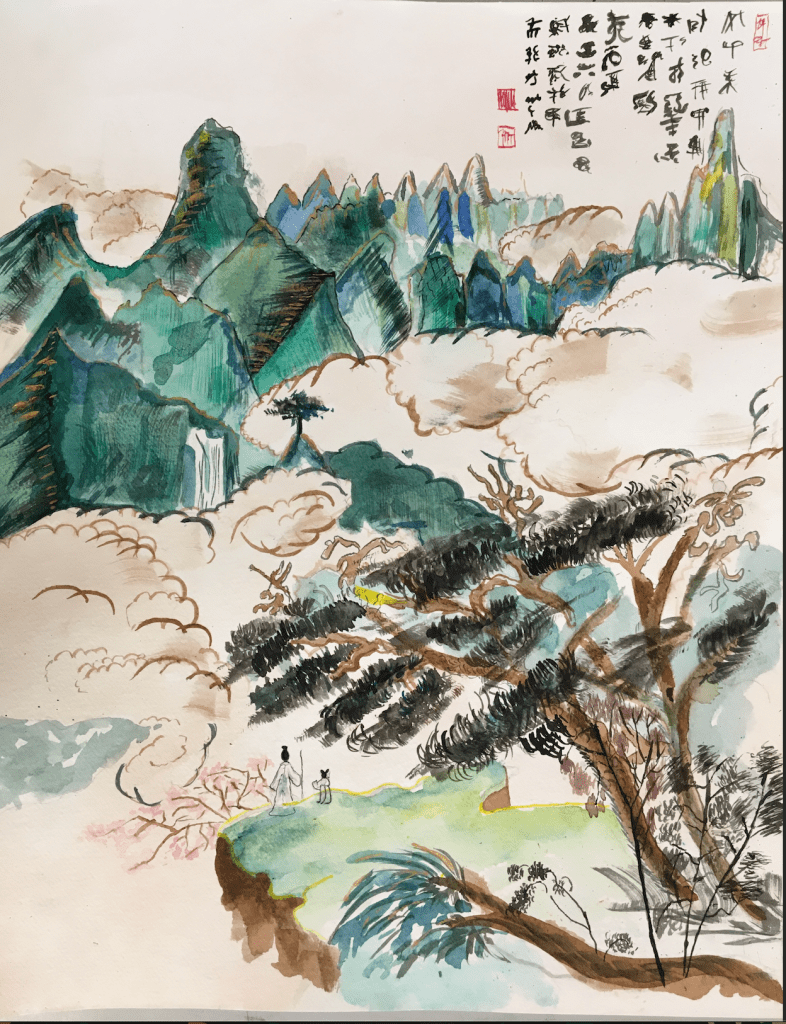
Students first practice working with atmospheric perspective through progressively more complex exercises which range from landscape sketches, watercolour compositions, and acrylic and oil paint experiments.
Then students devise a concept for their world including a mind-map exploring their planet, several composition sketches, media explorations, exploration into other artists, and a clear outline of intentions.
The final work can be either on paper or canvas, acrylic, watercolour, oil or acrylic paint, mixed media or digital depending on the concept and desired effects.
GRASPS
Goal: design a new planet for the next Star Wars film
Role: concept artists
Audience: Art director of Star Wars
Situation: work for the new Star Wars film has begun, and writers and artists are working together to create new settings for the film
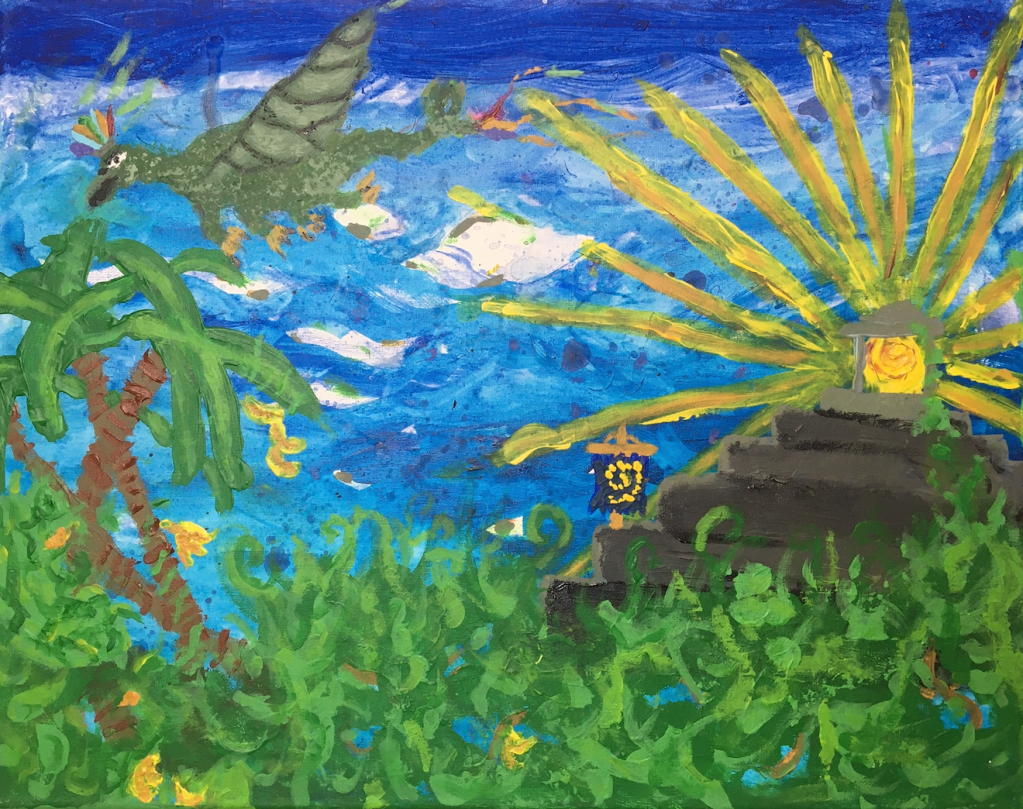
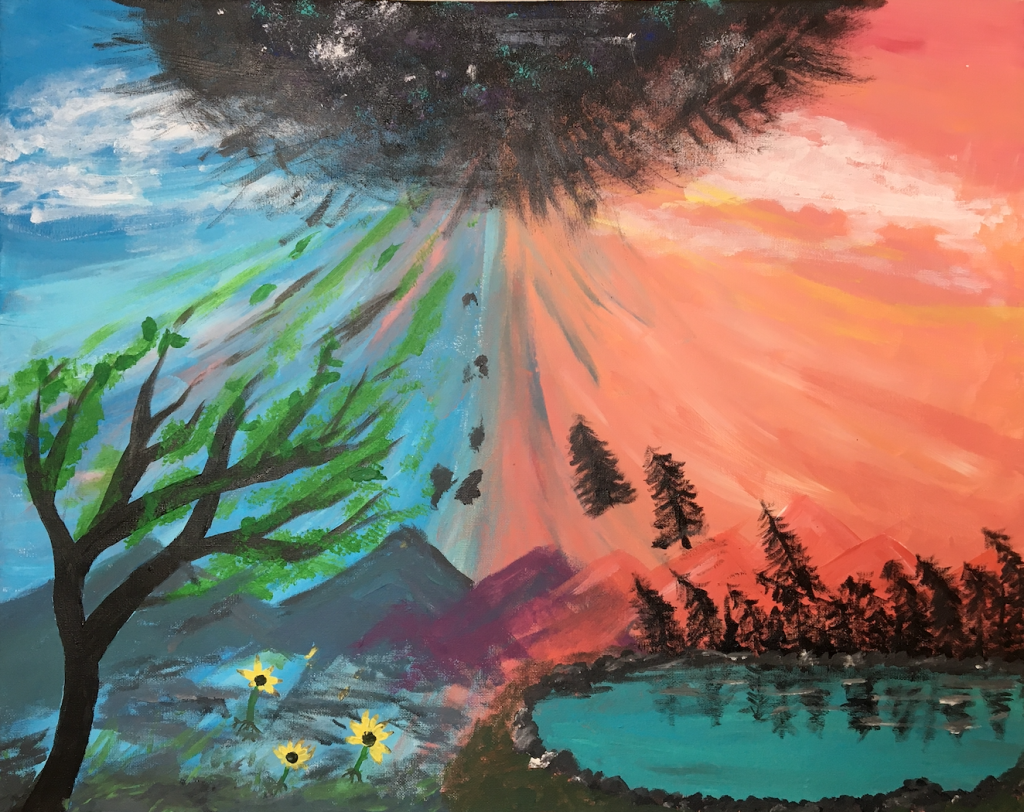
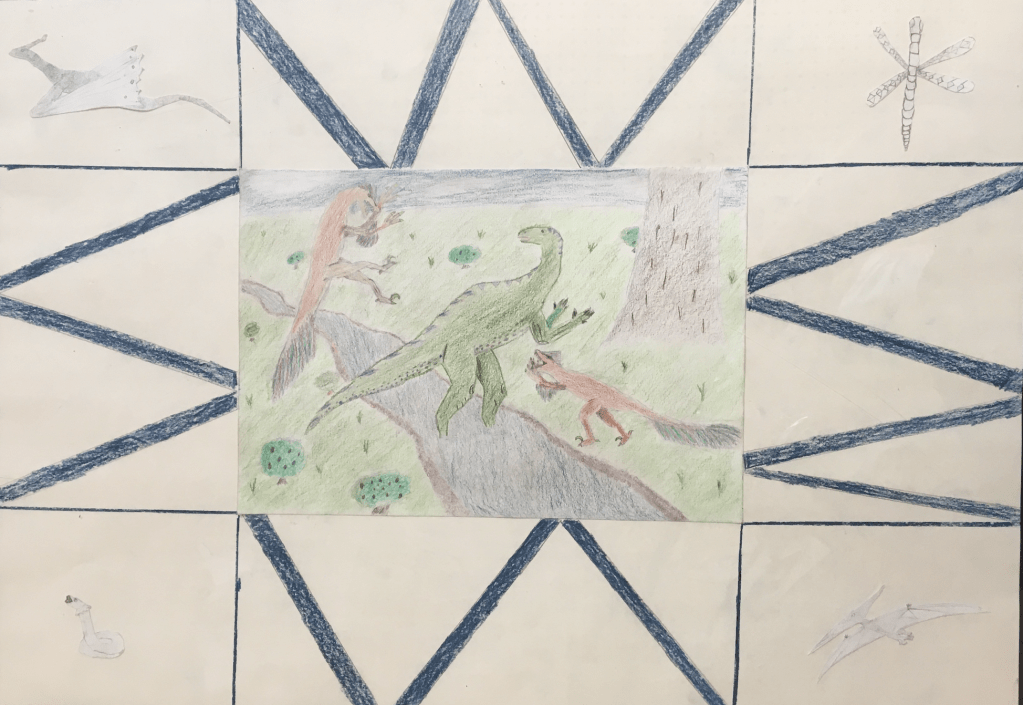
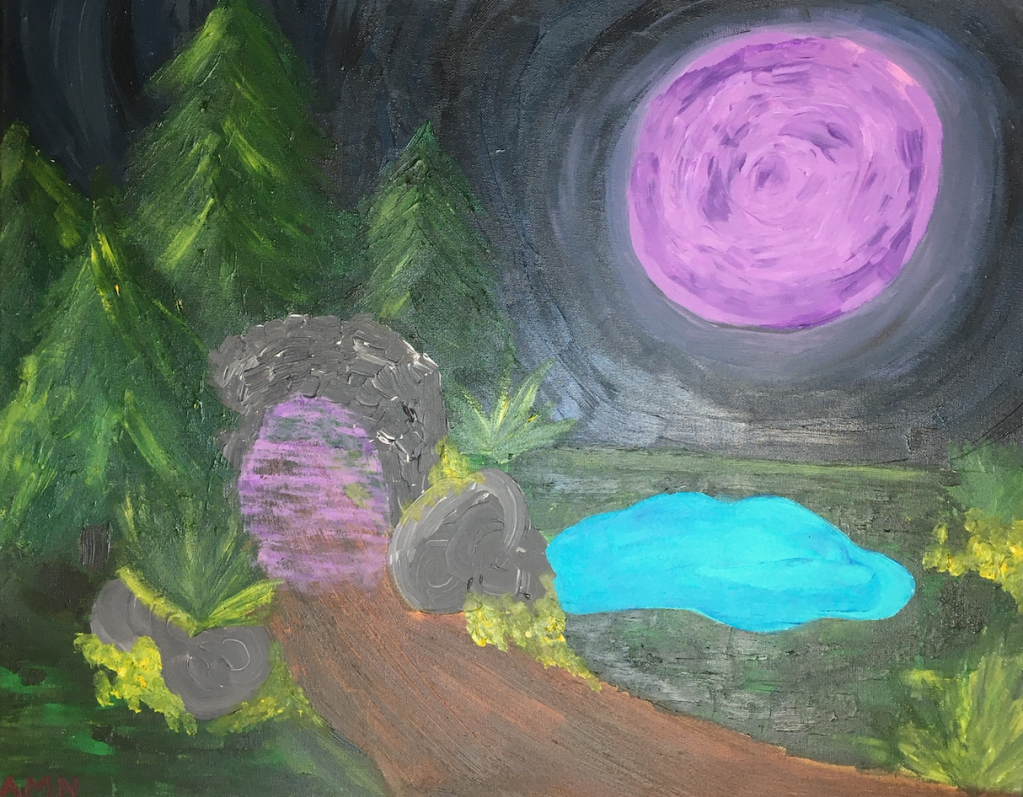
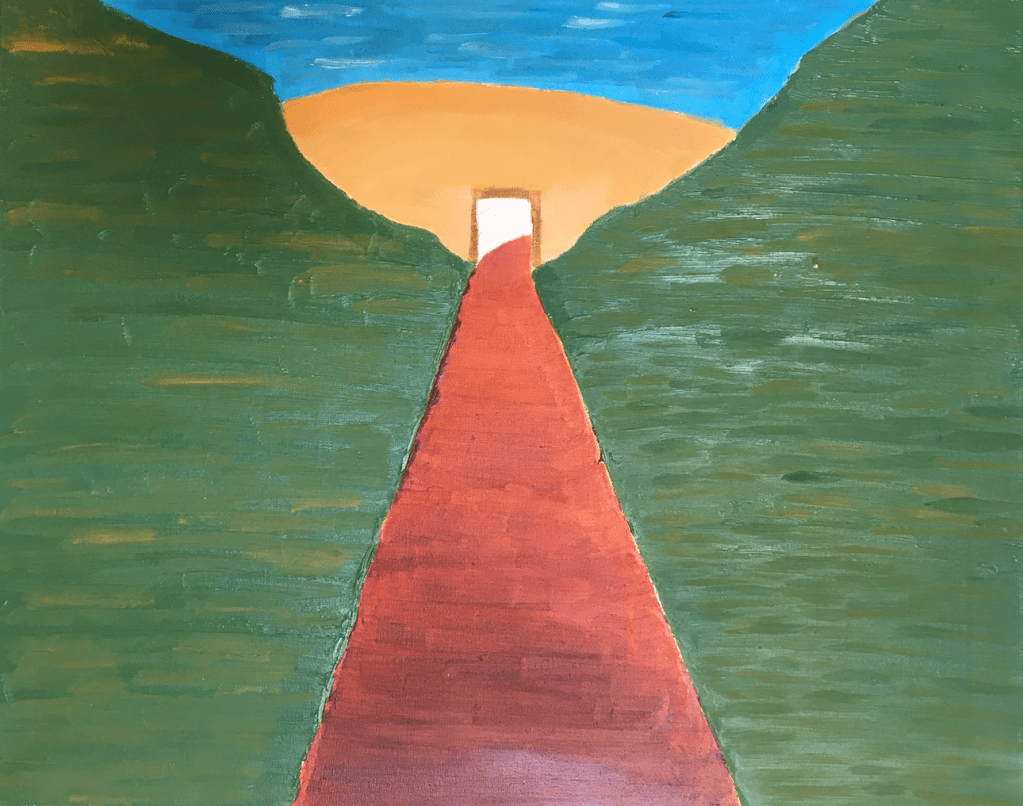
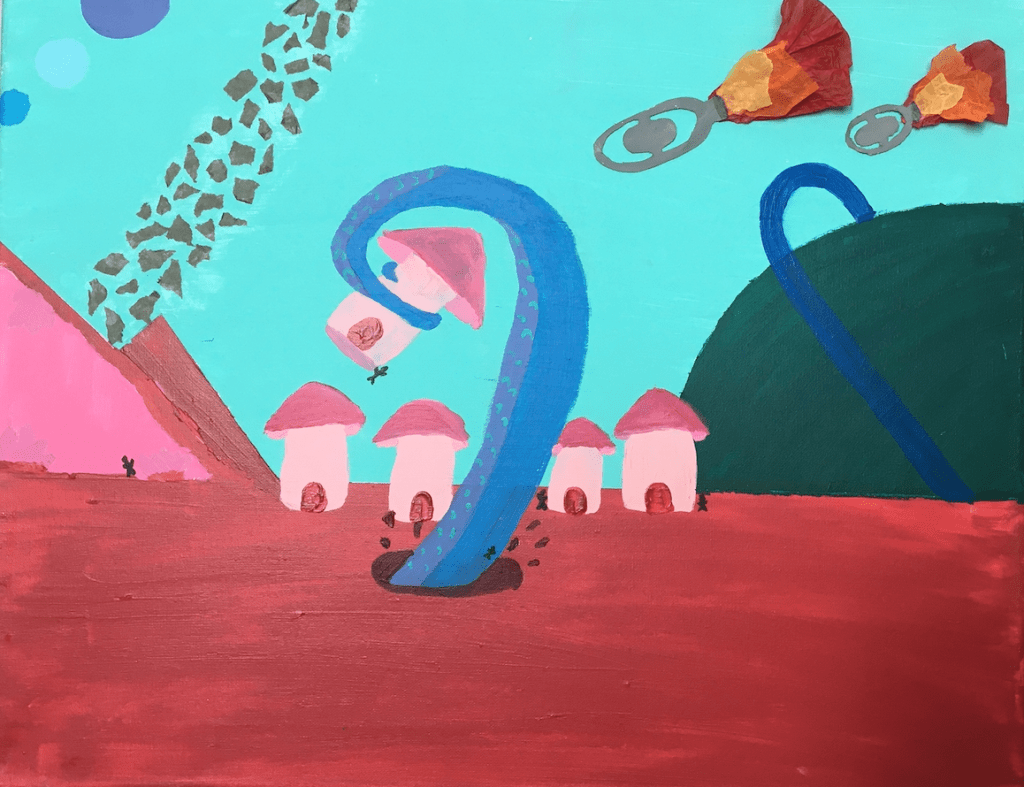
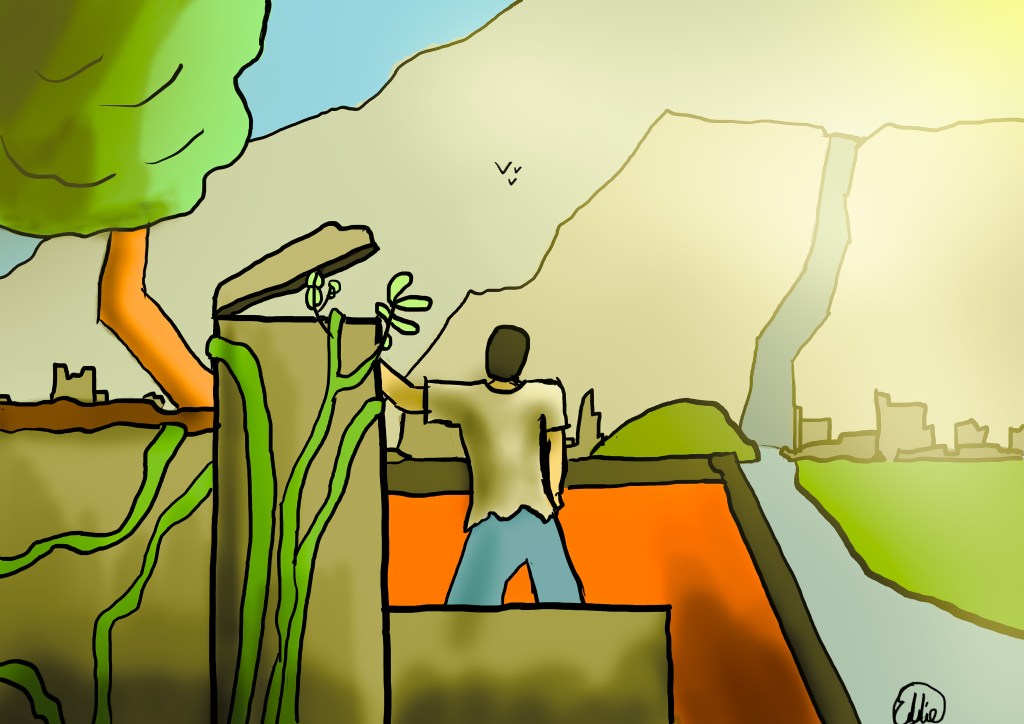
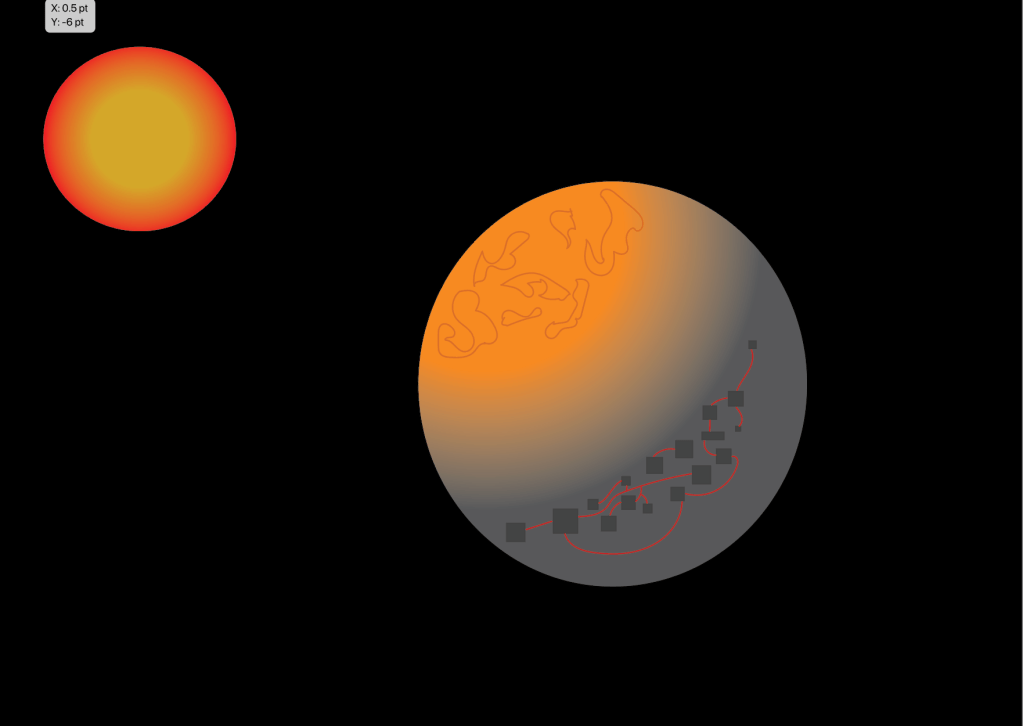
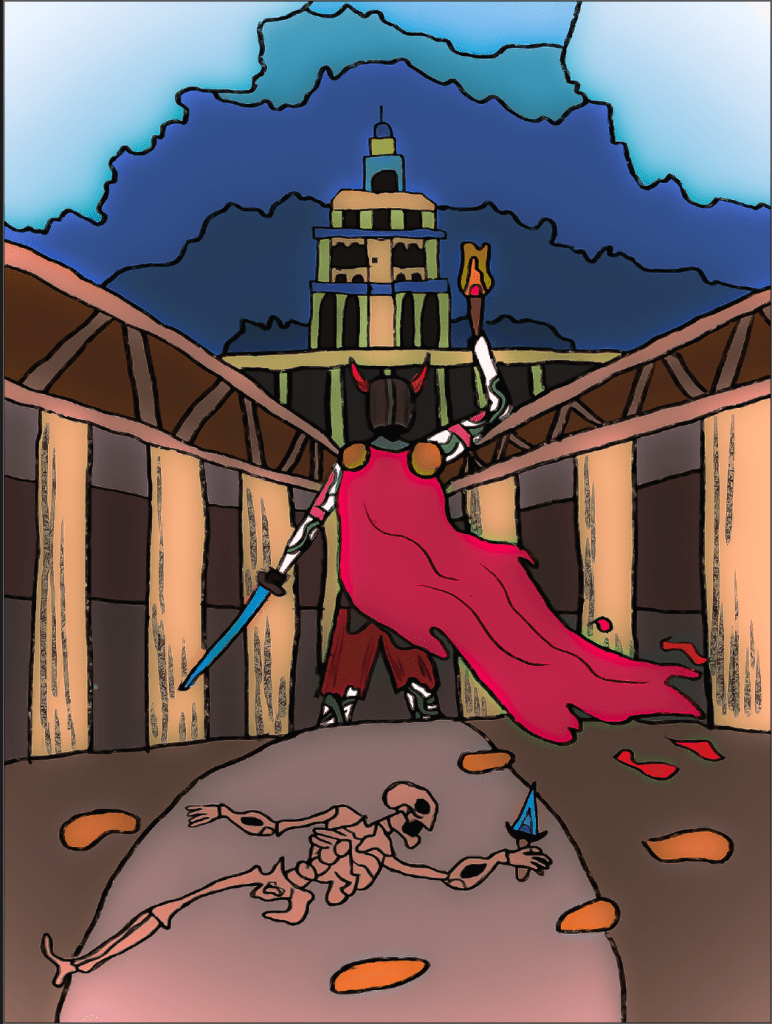
Product: an artwork showing a fantastical world
Standards: A – Investigation, B – Developing, C – Creating, D – Evaluating
Resources
The best and most practical book about watercolour and landscape painting: Tate Watercolour Manual, Lesson from the Great Masters by Tony Smibert and Joyce H. Townsend (first published 2015)
On composition: Composition of Outdoor Painting by Edgar Alwin Payne (originally published 1941)
Materials:
- Watercolour pans and/or tubes
- hot and/or cold pressed watercolour paper
- watercolour/acrylic/oil paint brushes
- paint palettes
- clipboards
- jars for water (I use old analogue photography film canisters. I asked at the shop and got a bag for free)
- Masking and/or gummed tape
- Watercolour pencils
- Canvasses, we used 50×60 cm
- Acrylic paint
- Oil paint
Watercolour Exercise: Exploring media and technique
We practised: flat wash, gradated wash, dry-brush, wet-in-wet, glazing, mingling and charging, colour mixing, variegated wash (dry brush and wet-in-wet), splatters and mark-making, lifting, scraping back, and washing out. (I did not document all the work)
I use a document camera to demonstrate the techniques (two or three at a time) and then let students freely explore the media, reminding them that we are not aiming for perfection or beauty but for experimentation.


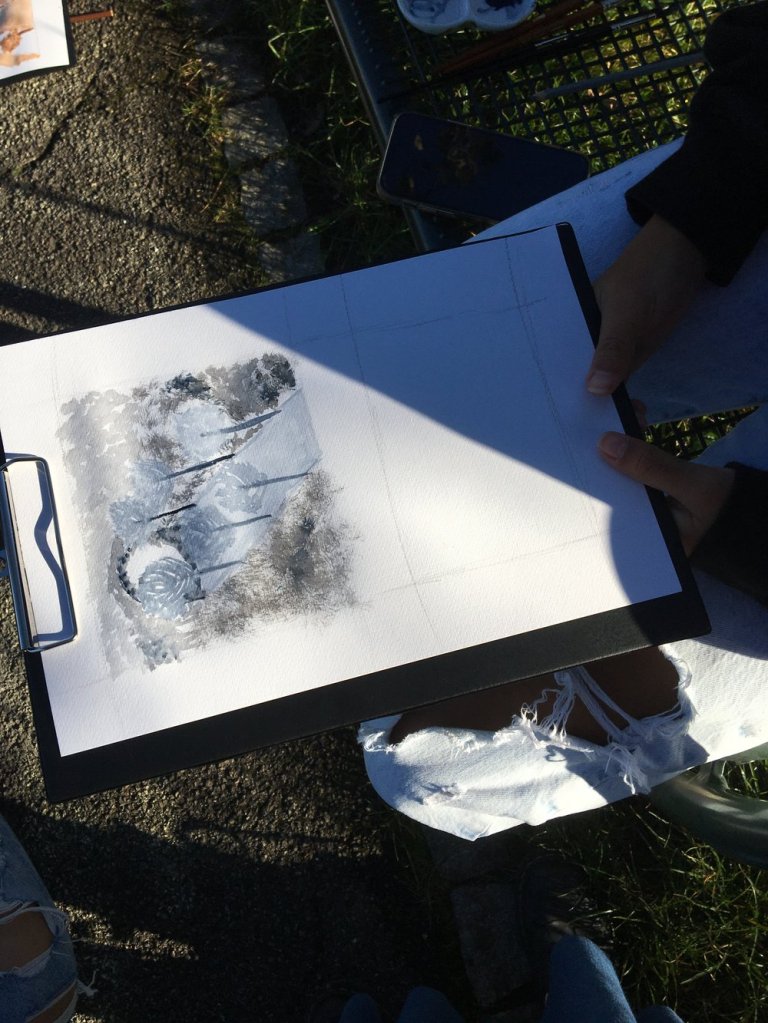
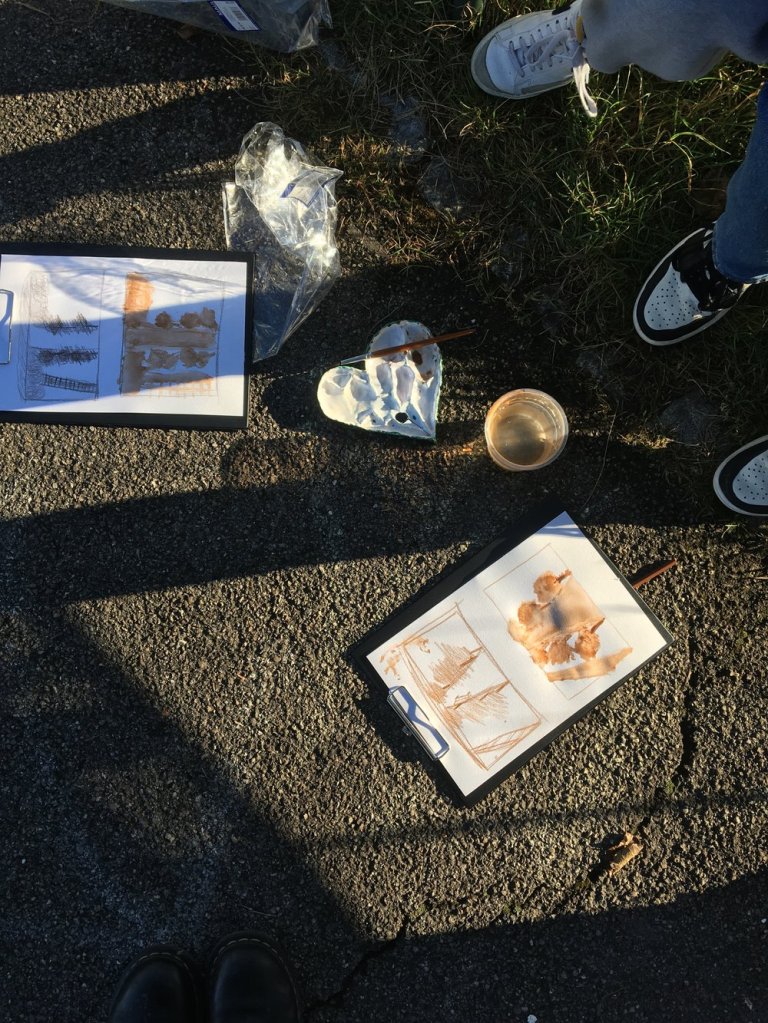
Watercolour exercise: Monochrome landscapes – painting outside



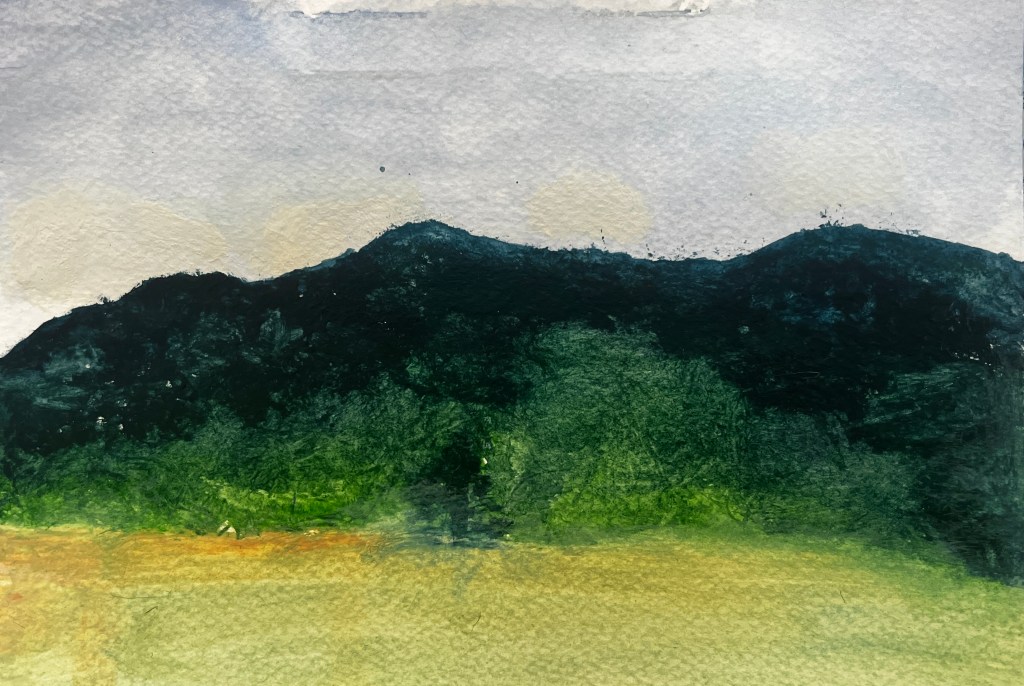
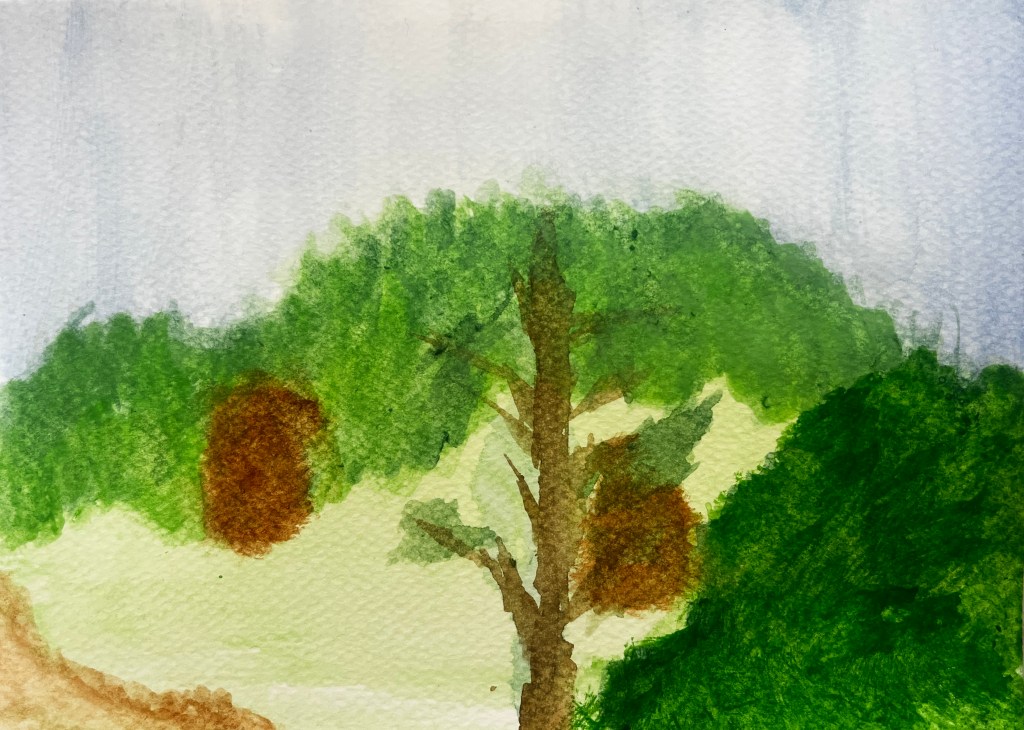
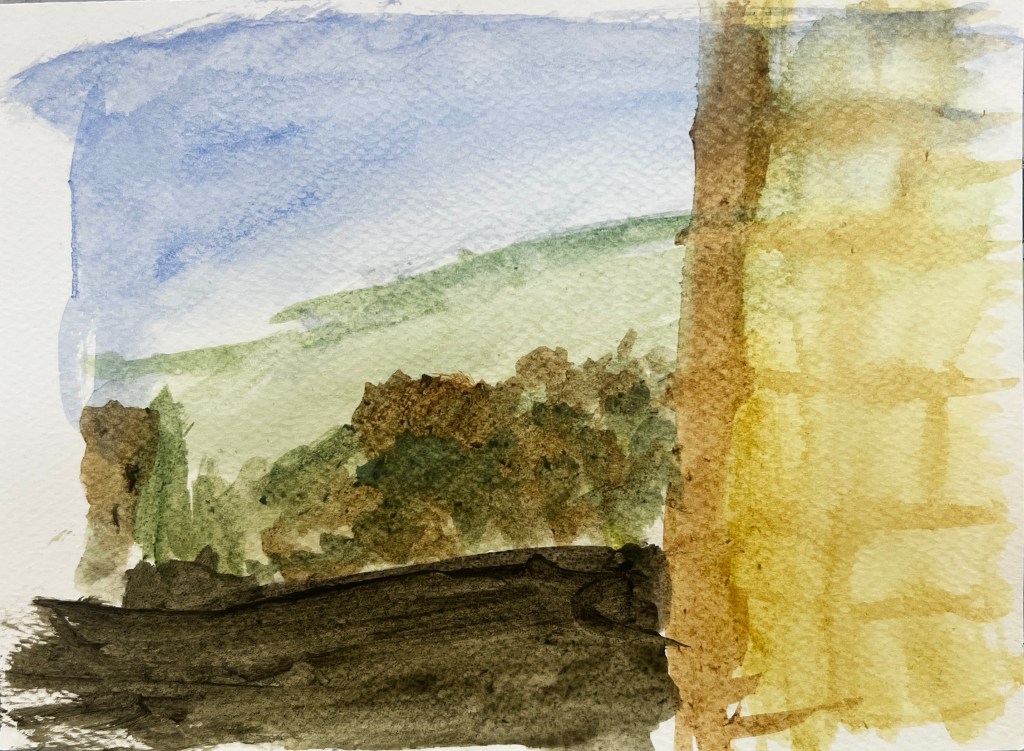
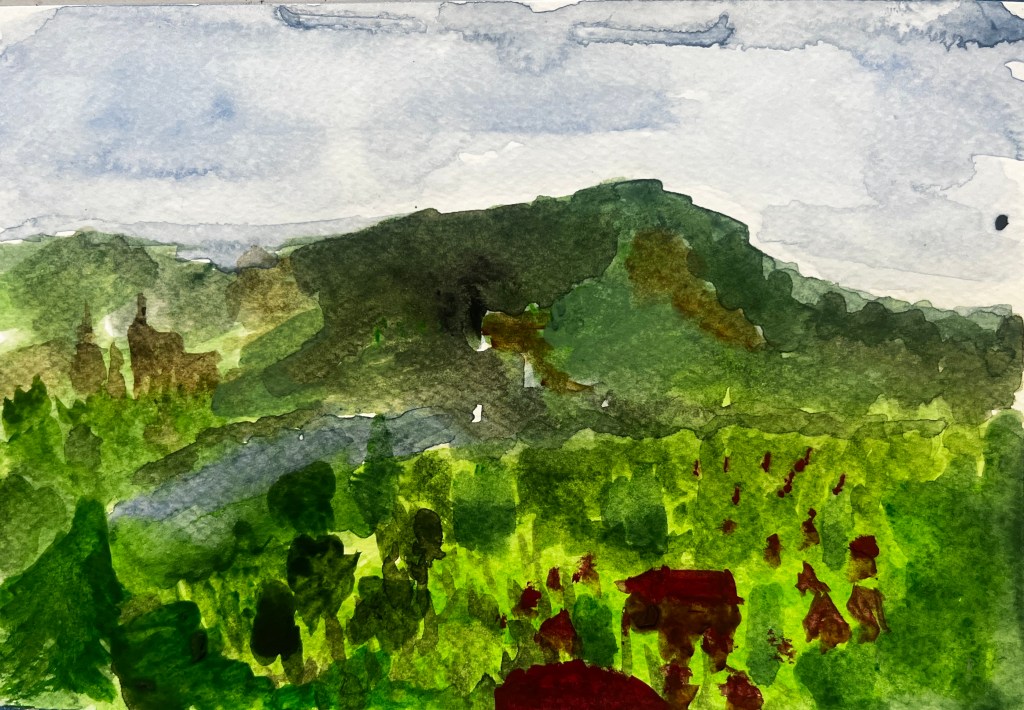
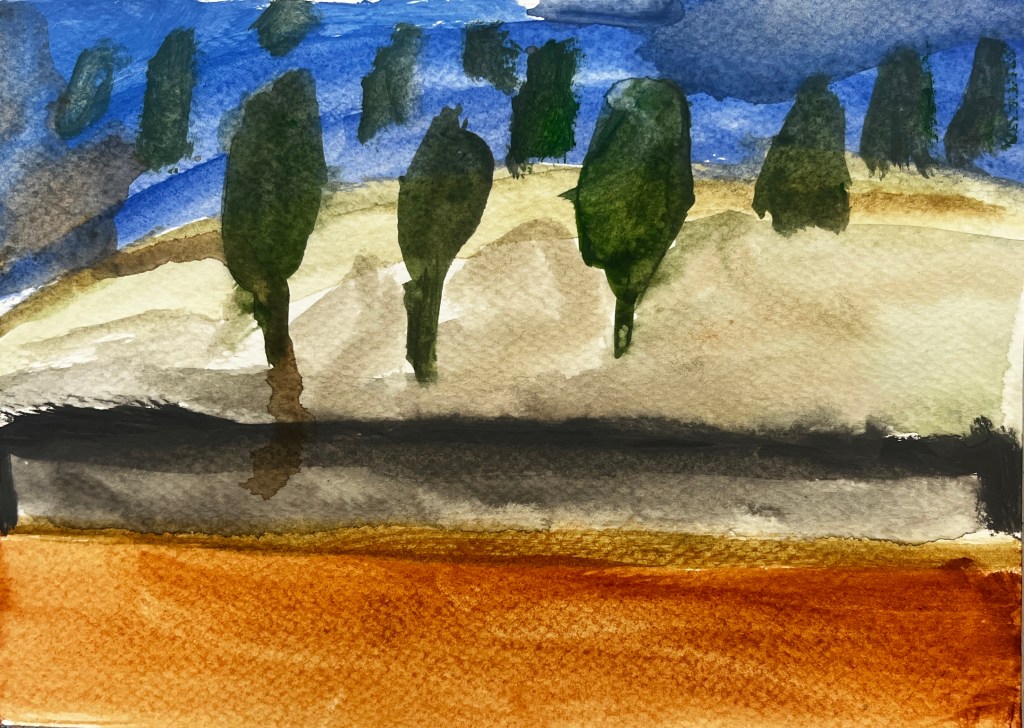
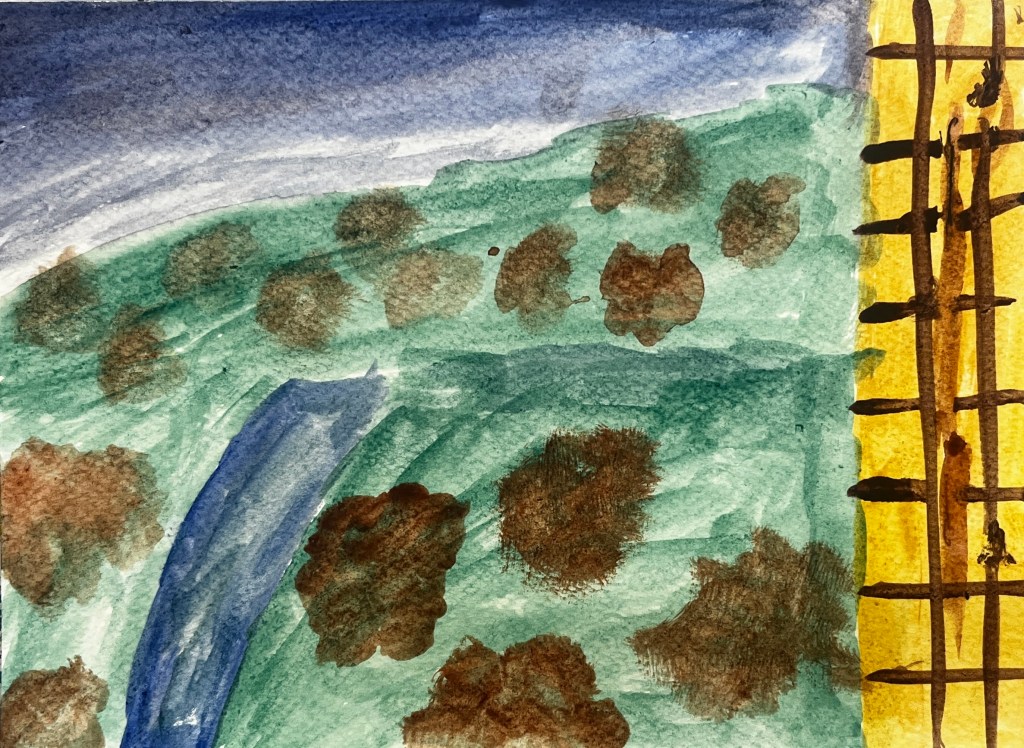
Watercolour exercise: Full-colour landscapes – painting outside

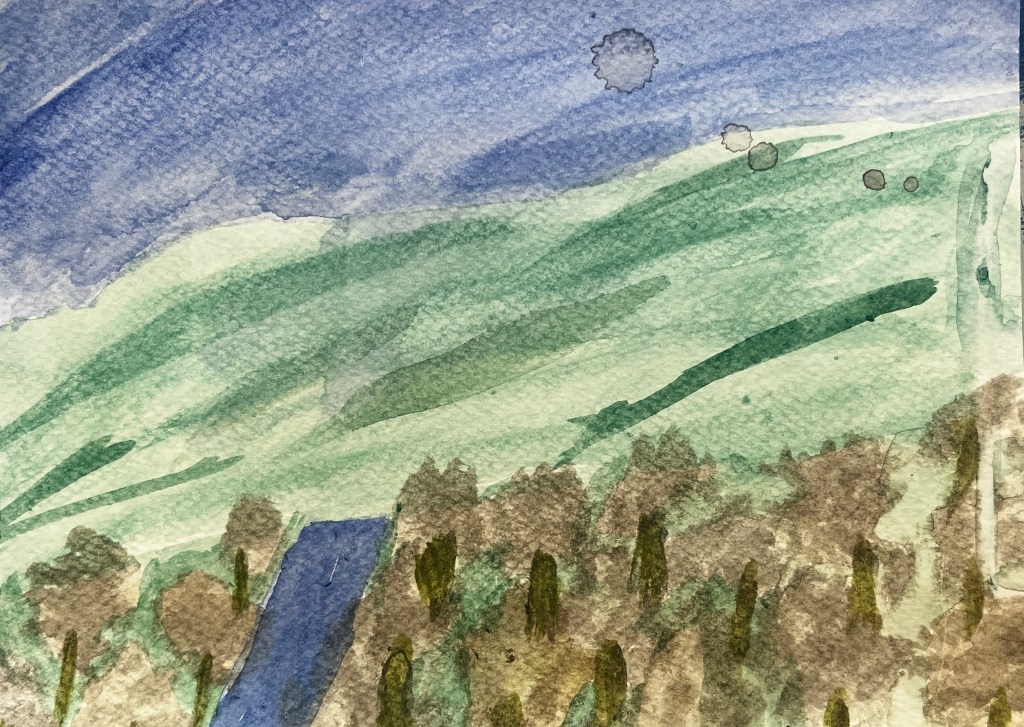
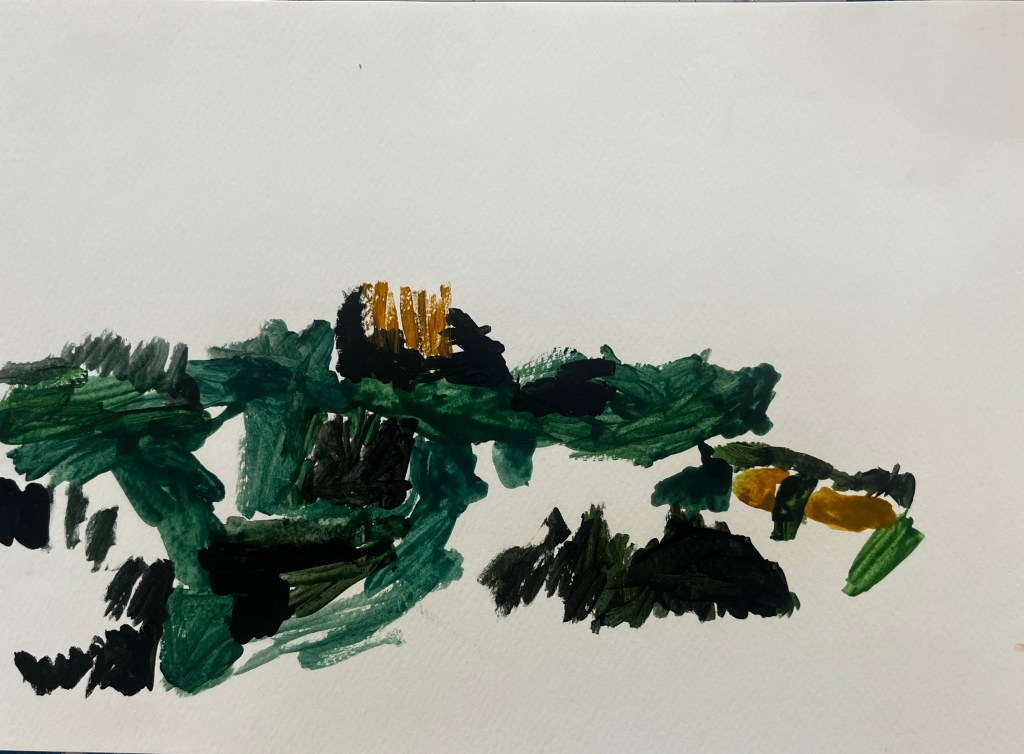
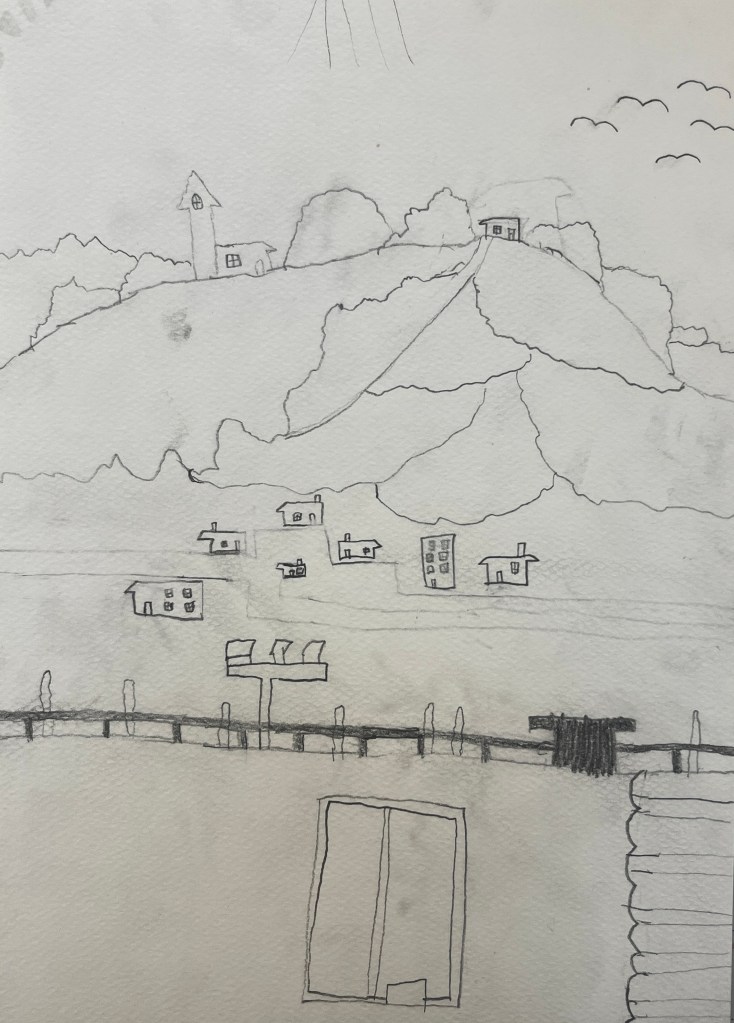

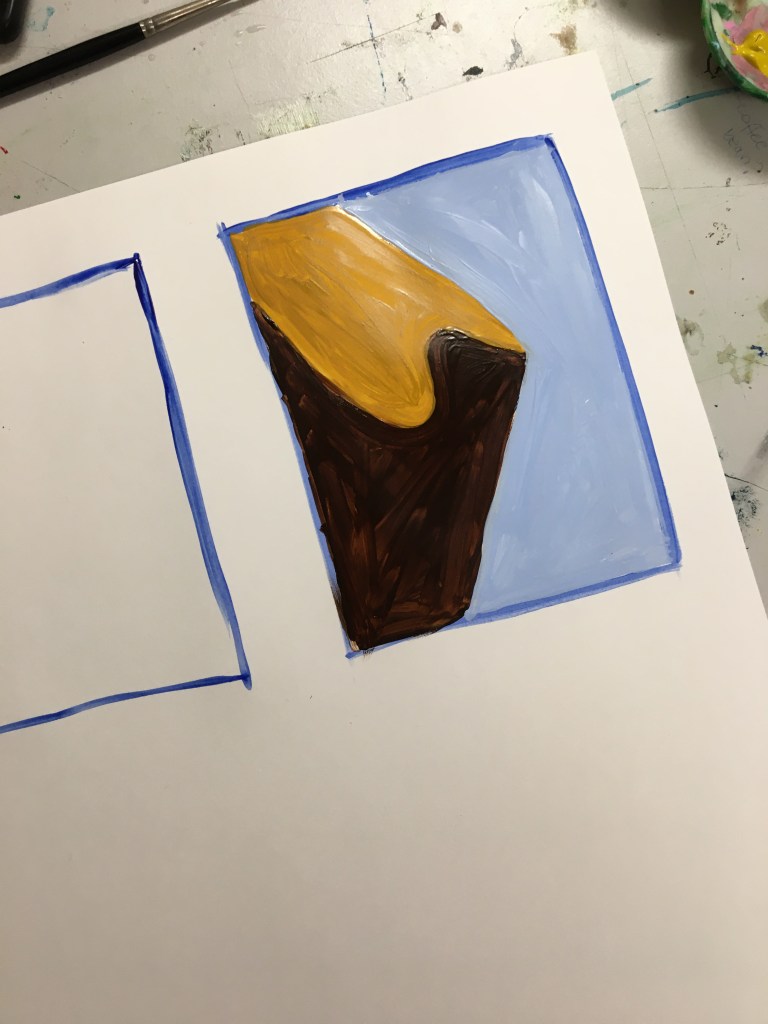
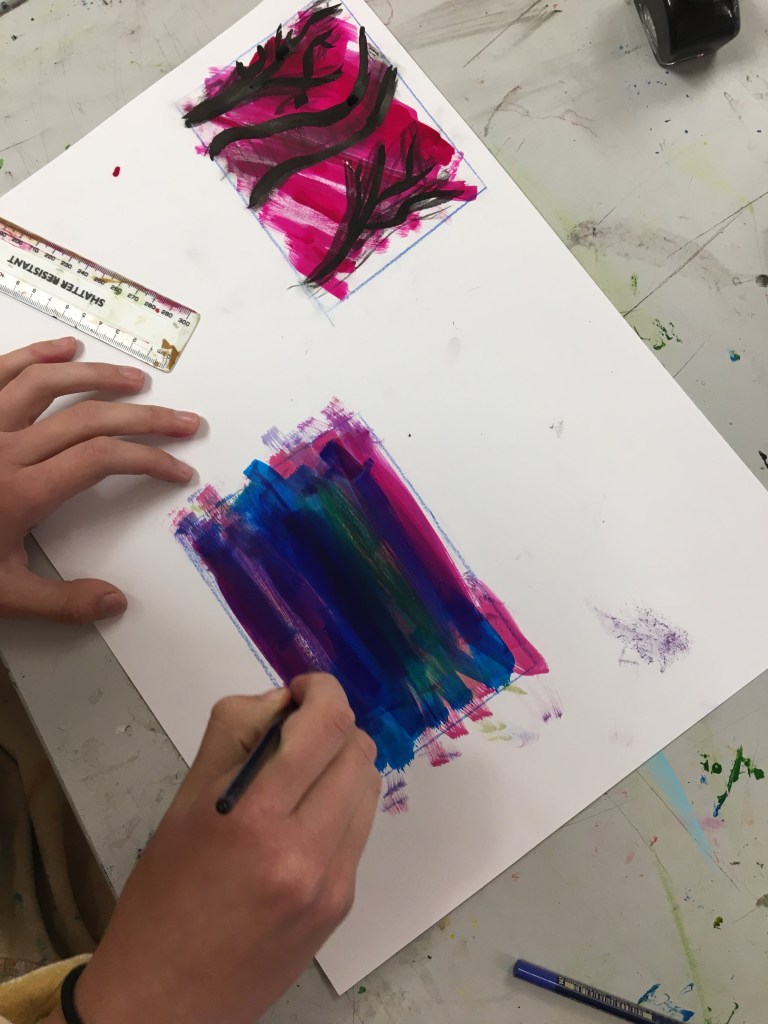
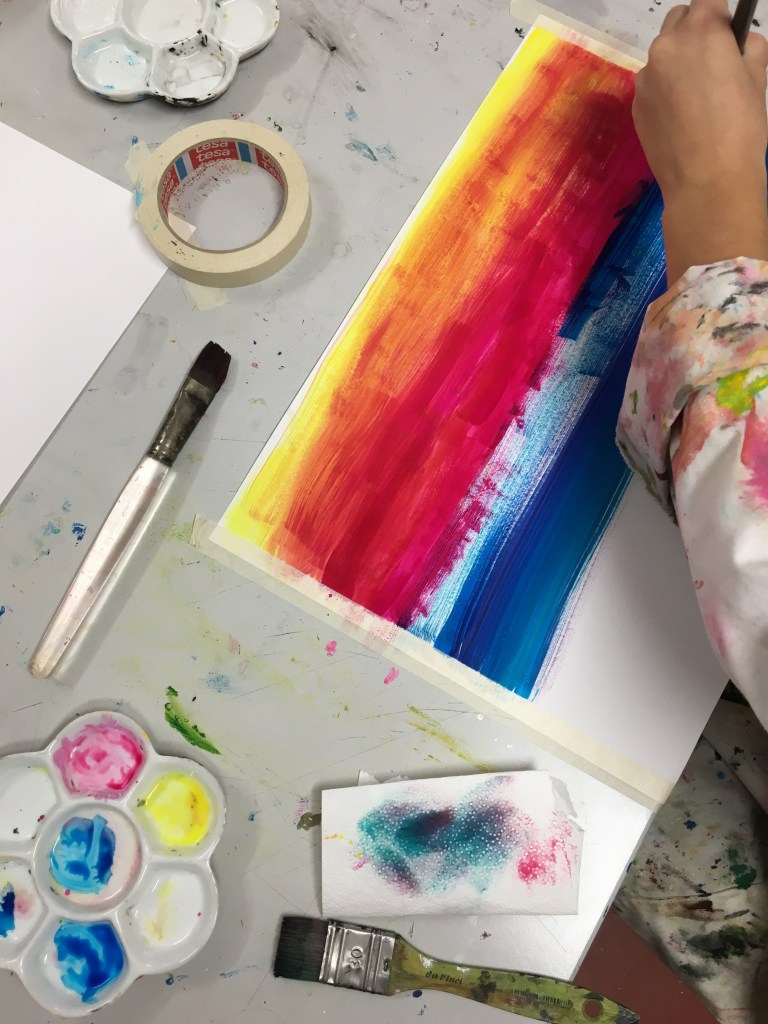
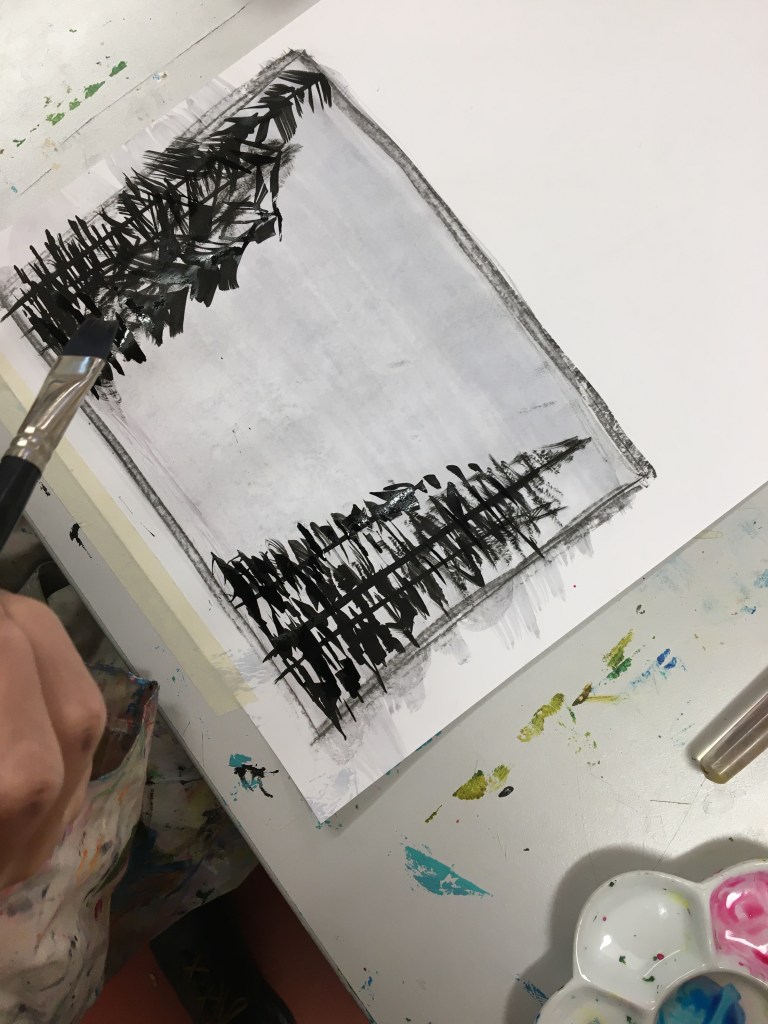
Exercise: Acrylic paint exploration
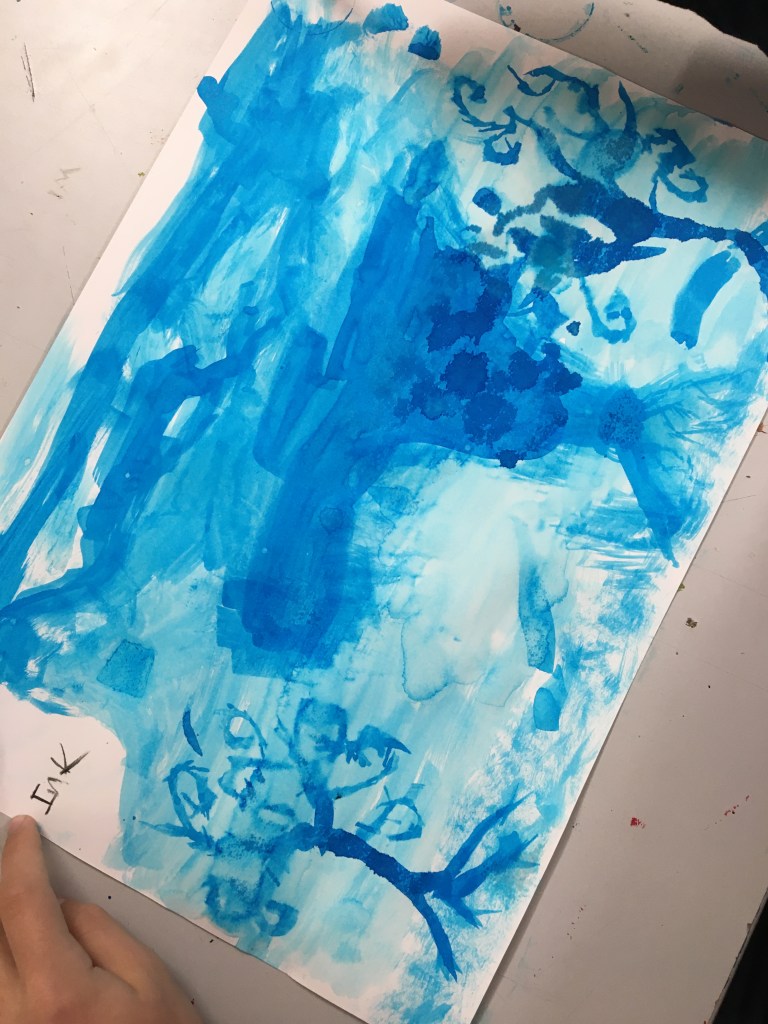
Exercise: Analogous oil paint landscapes
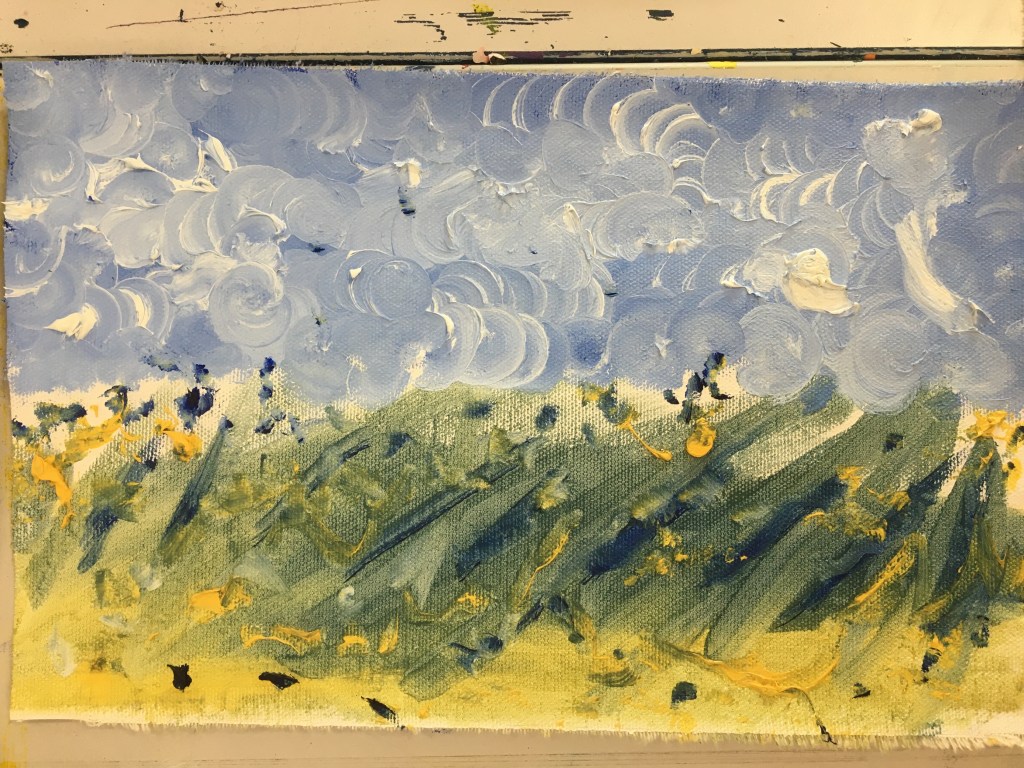
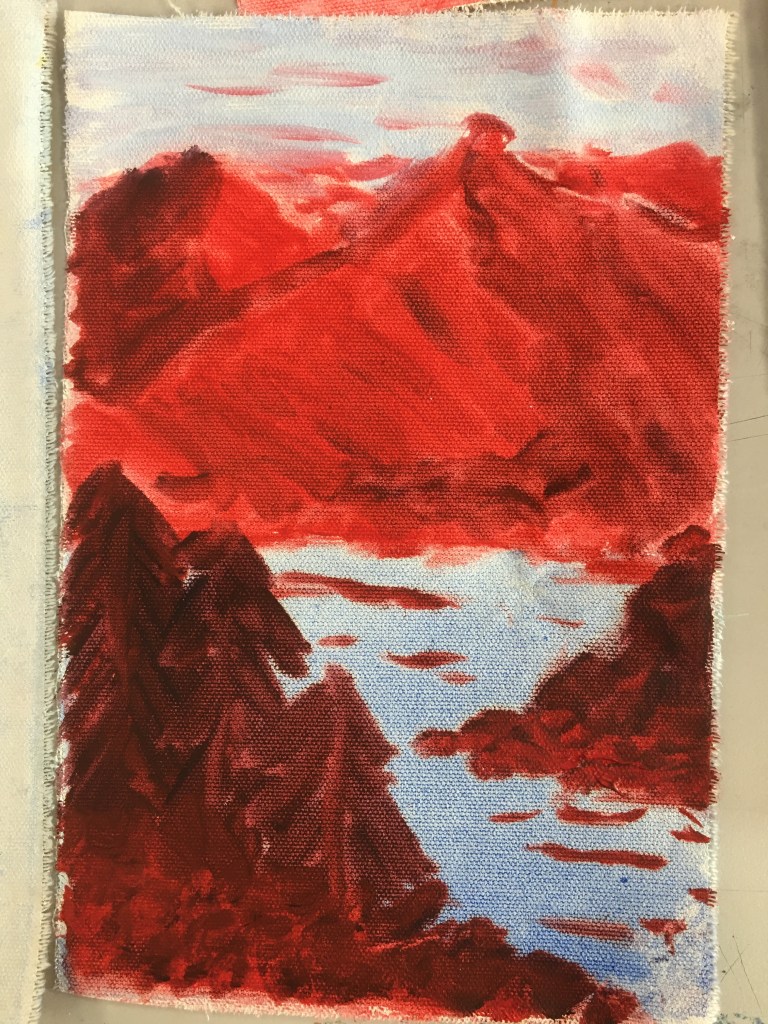
Research
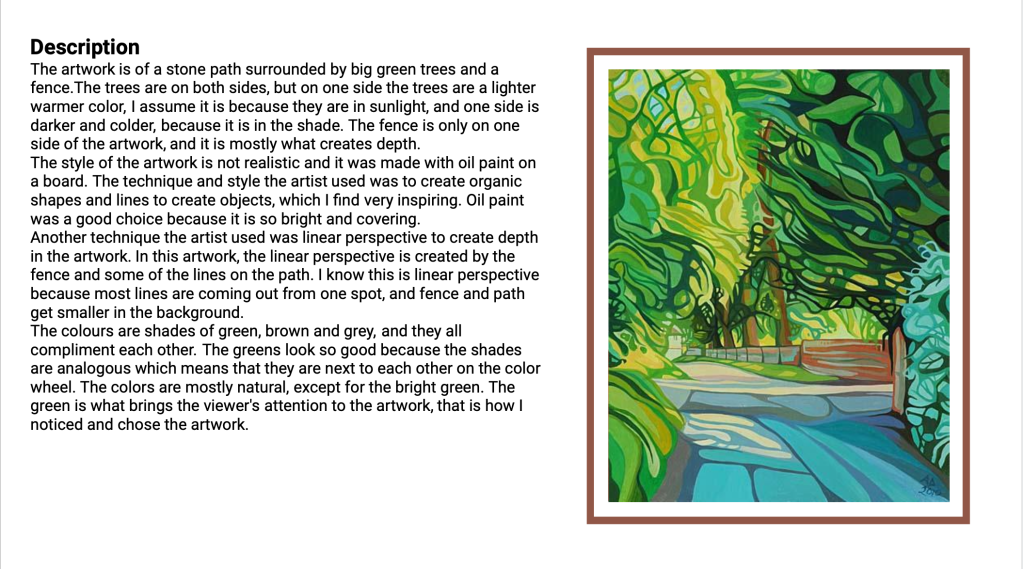
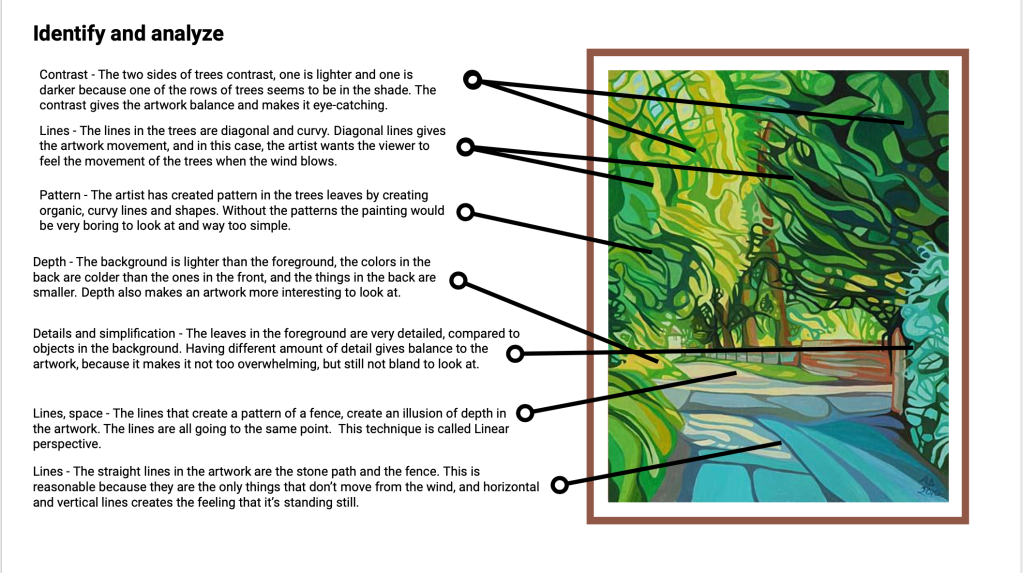
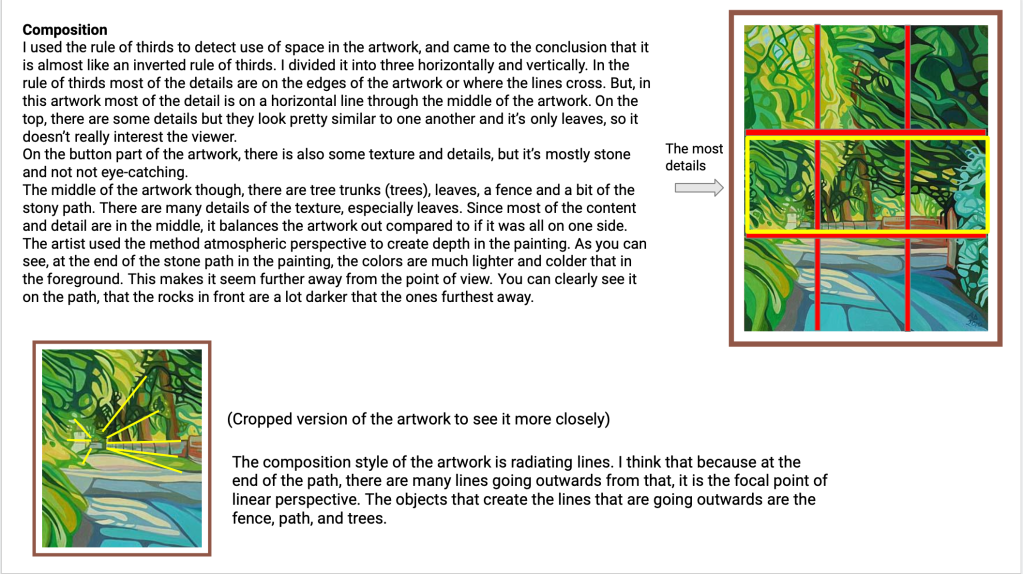
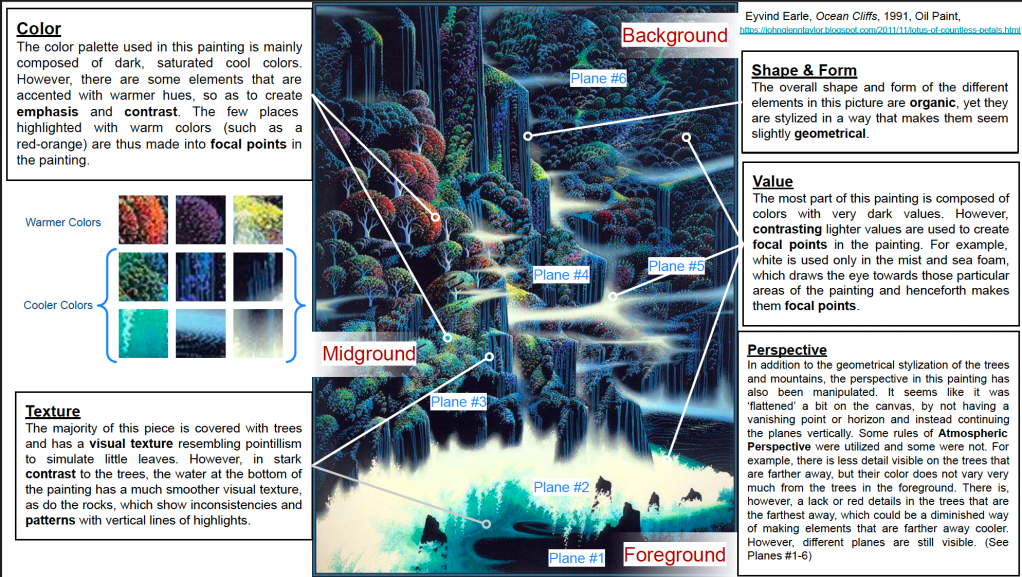
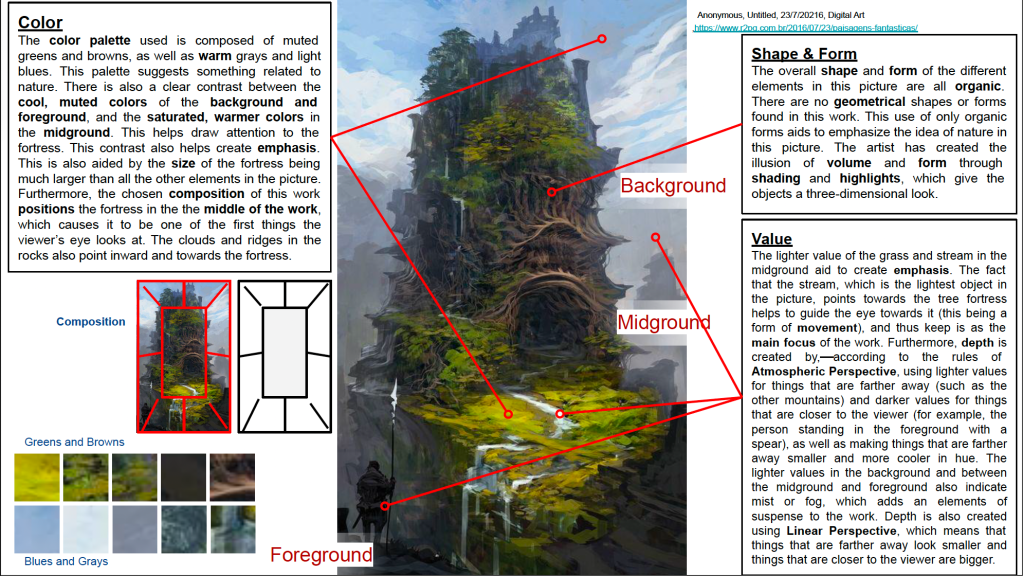
Resolved Works
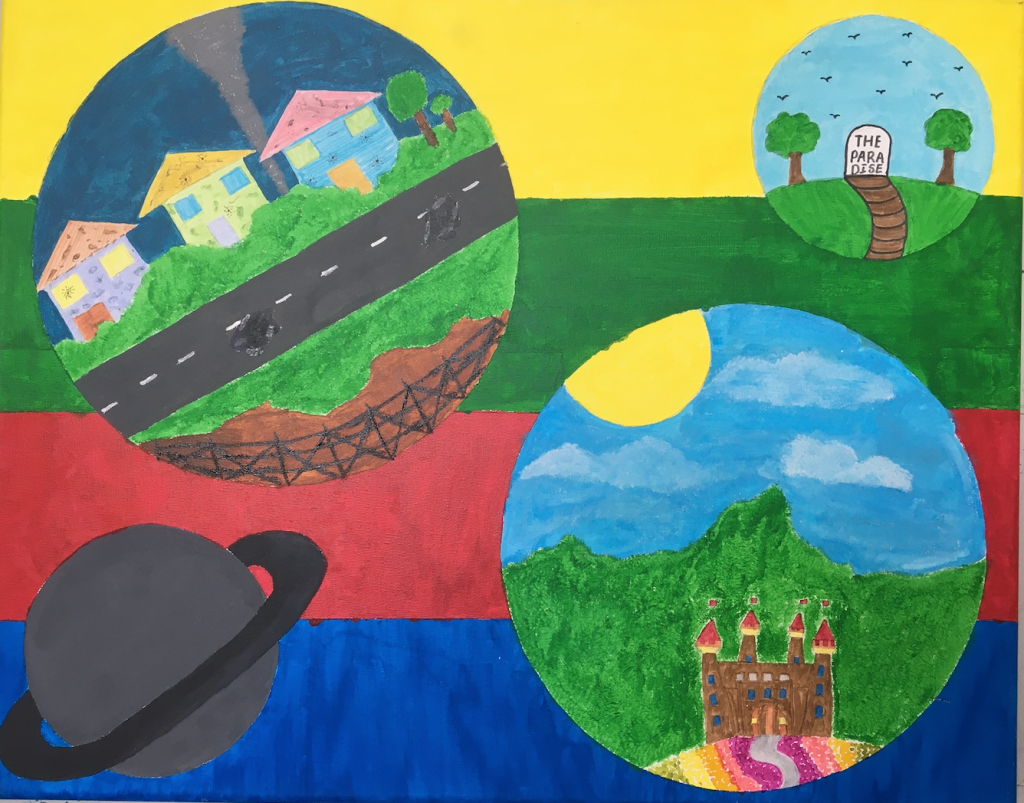
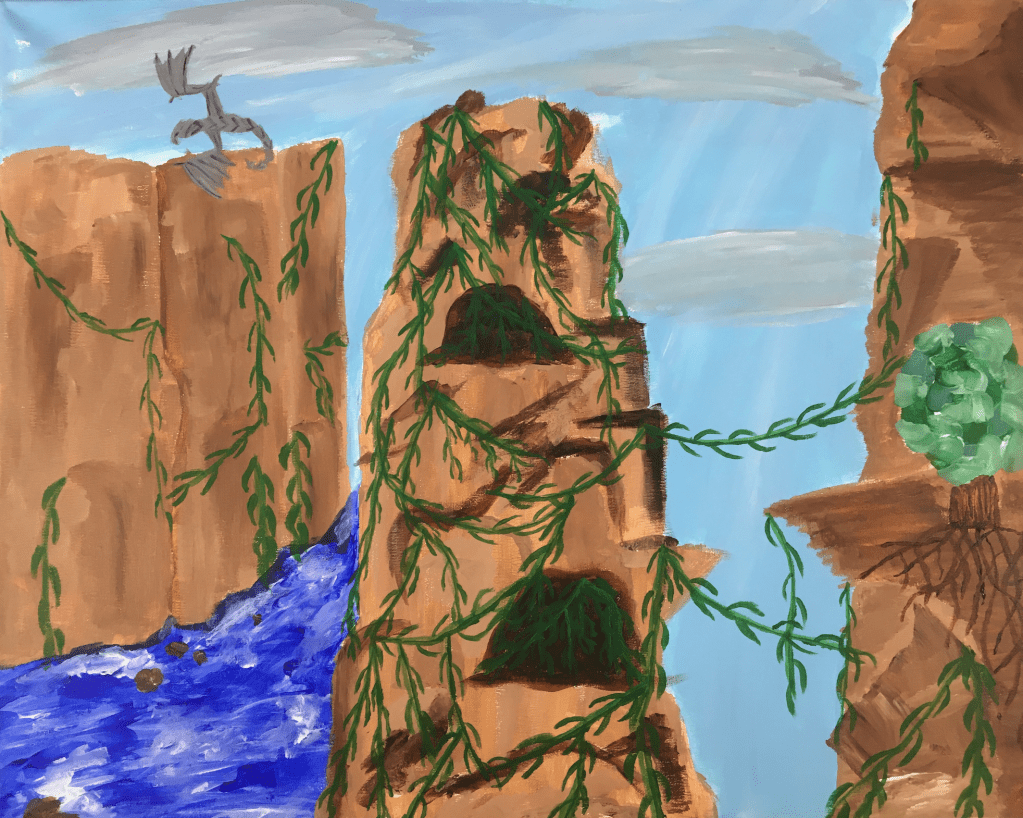
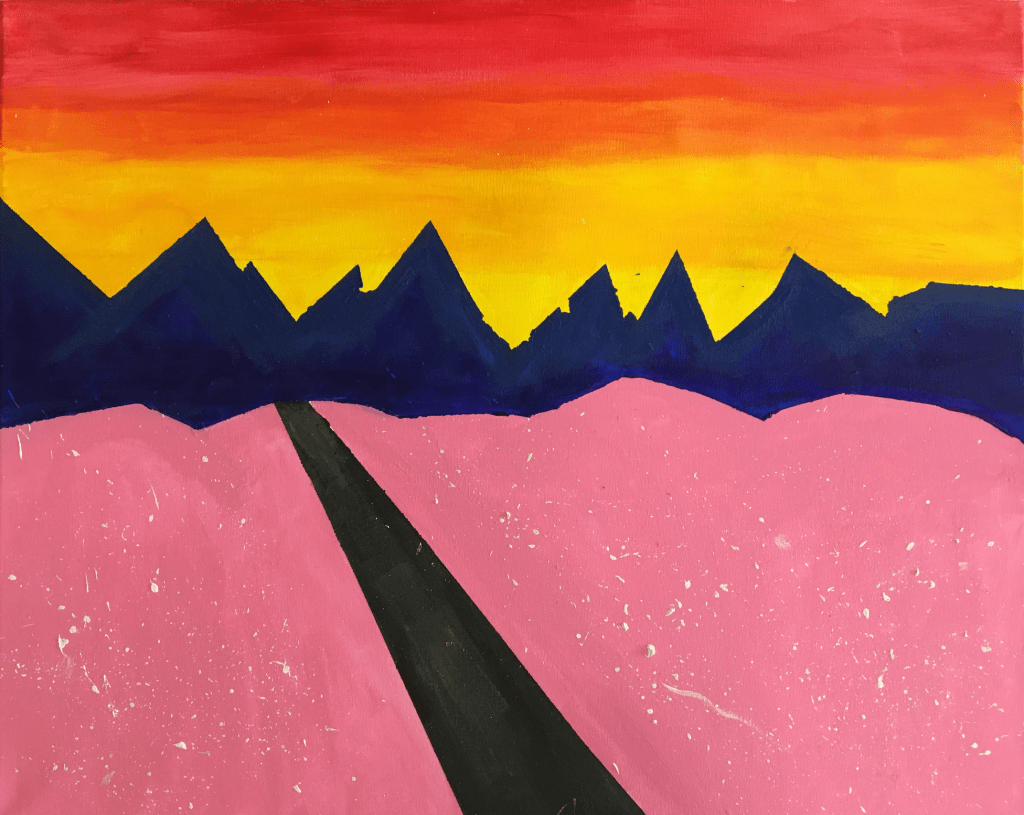
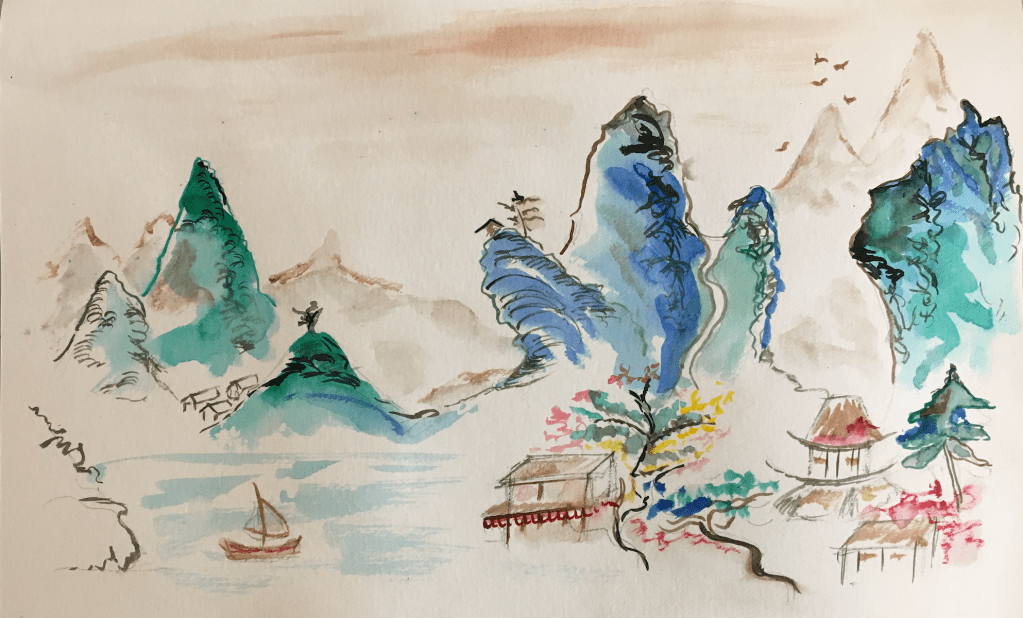

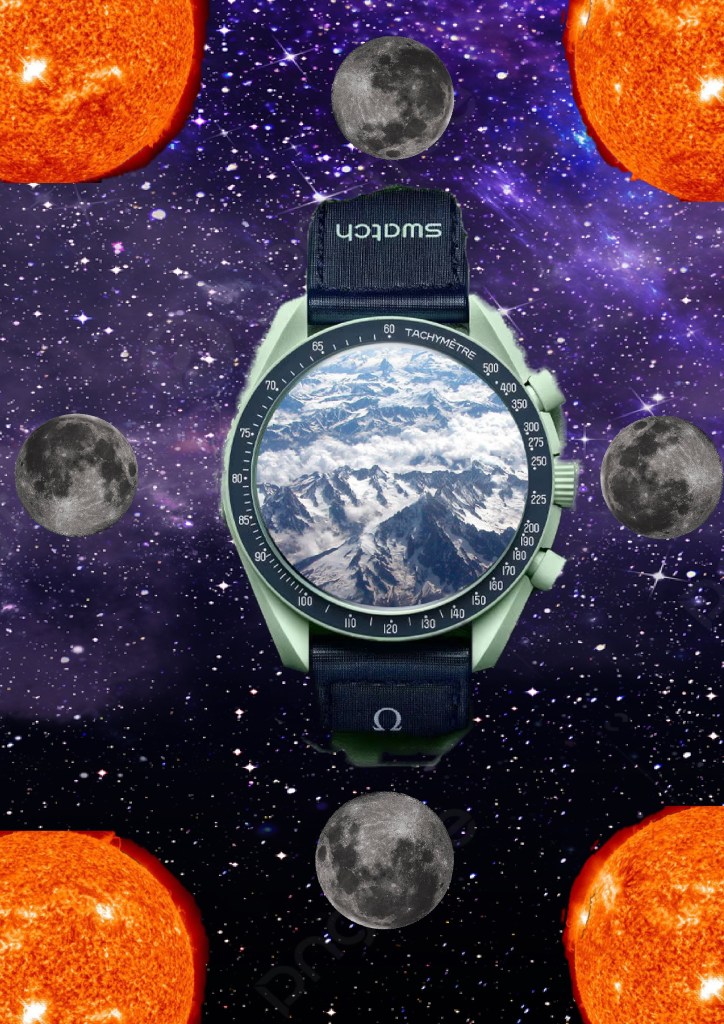

 Where the Art is