
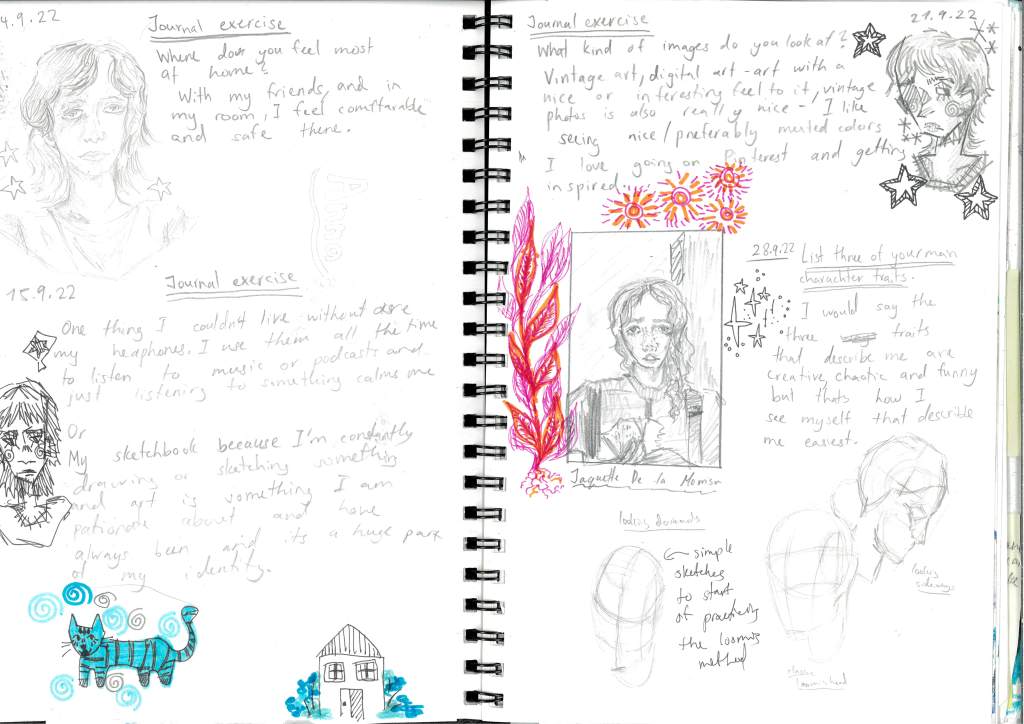
Students study and practice drawing portraits, examine works by other artists, reflect and journal on their identity/self/likeness.
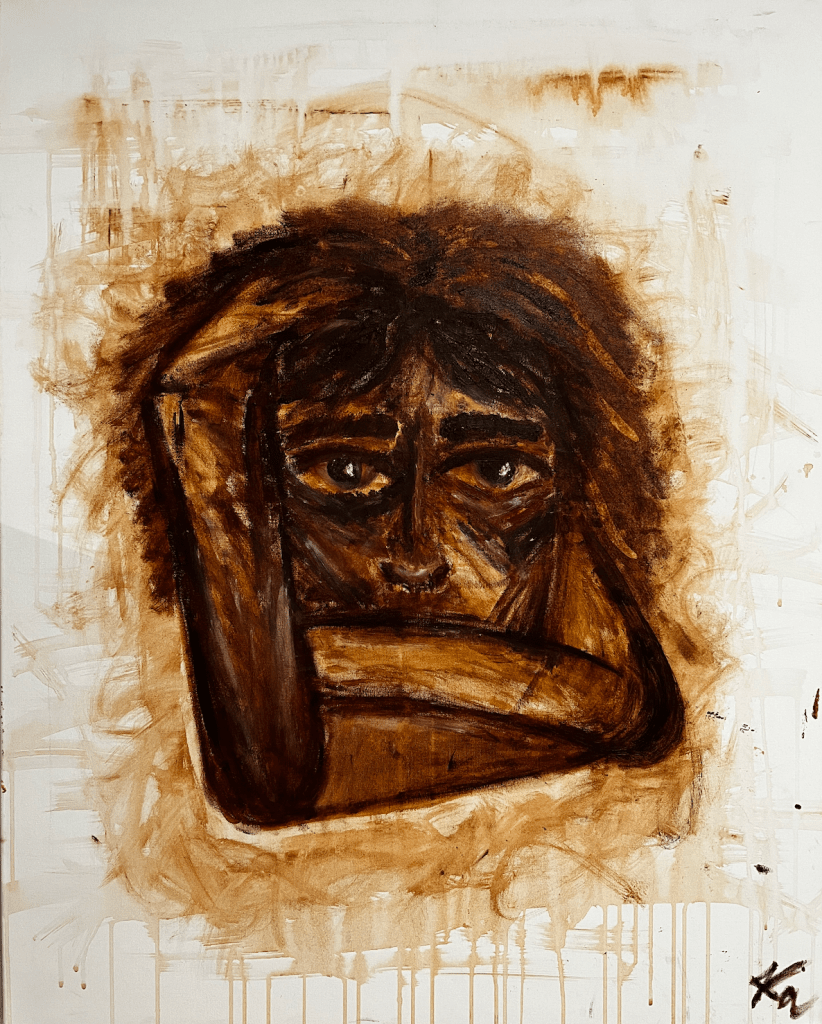
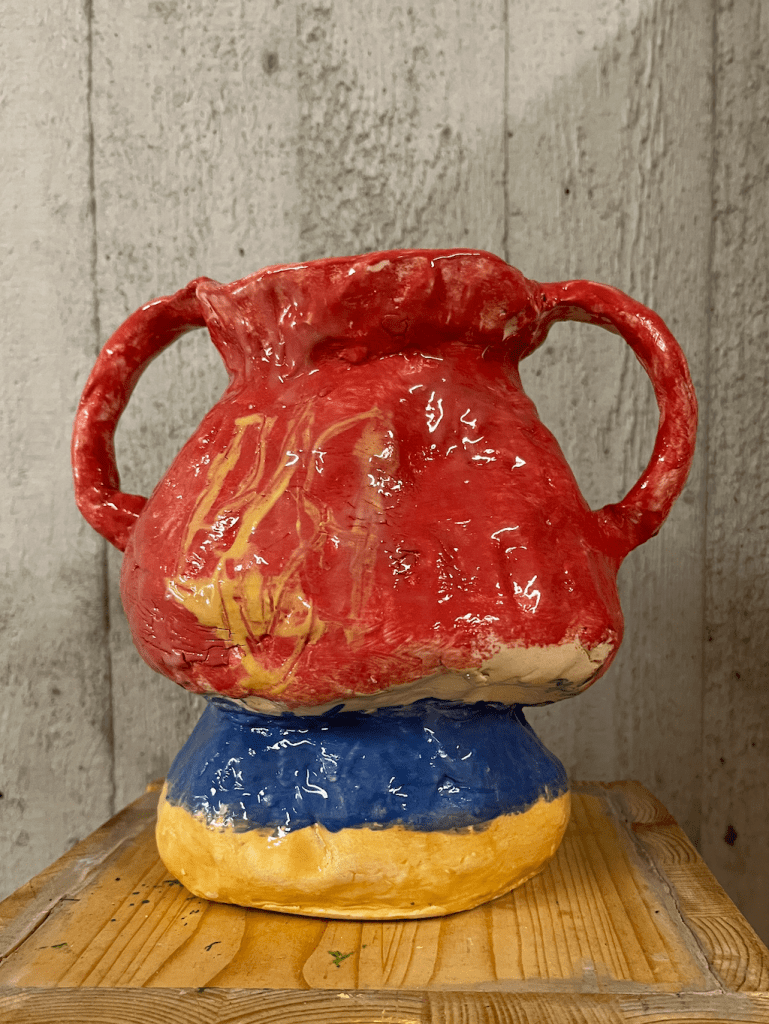
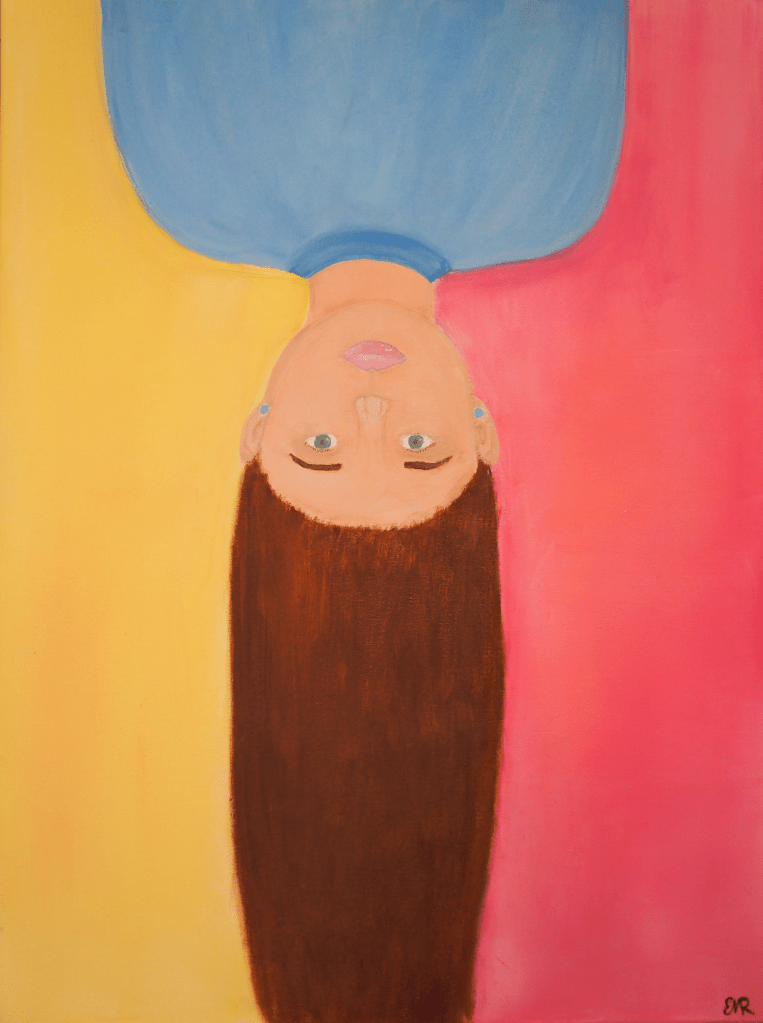
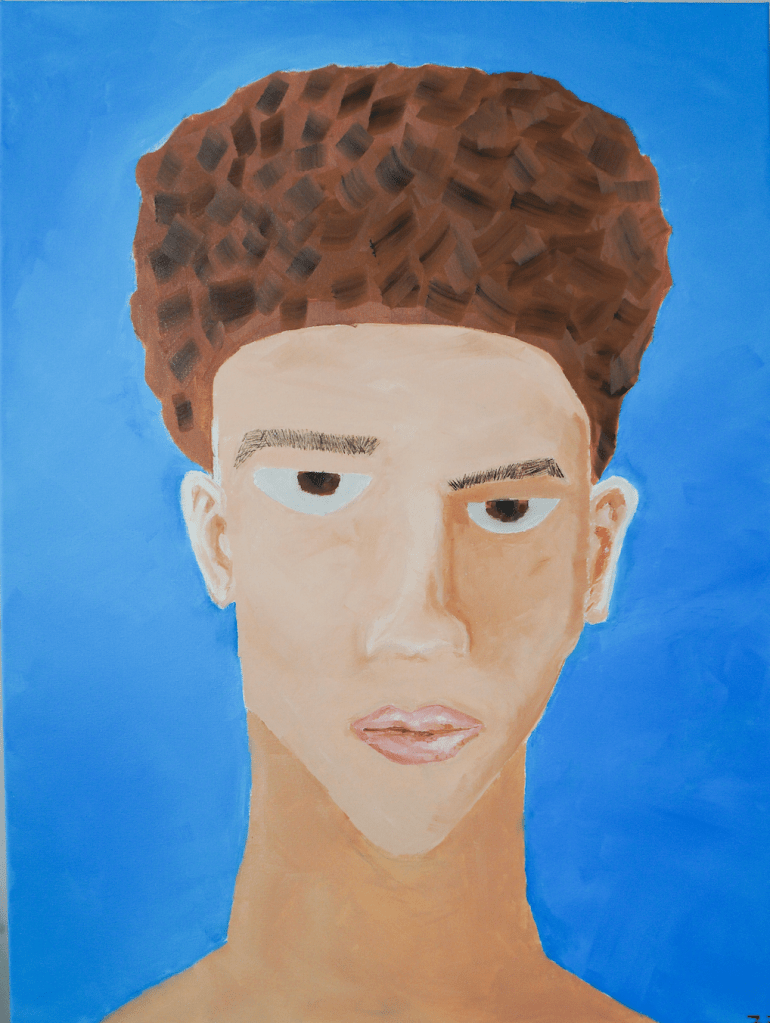
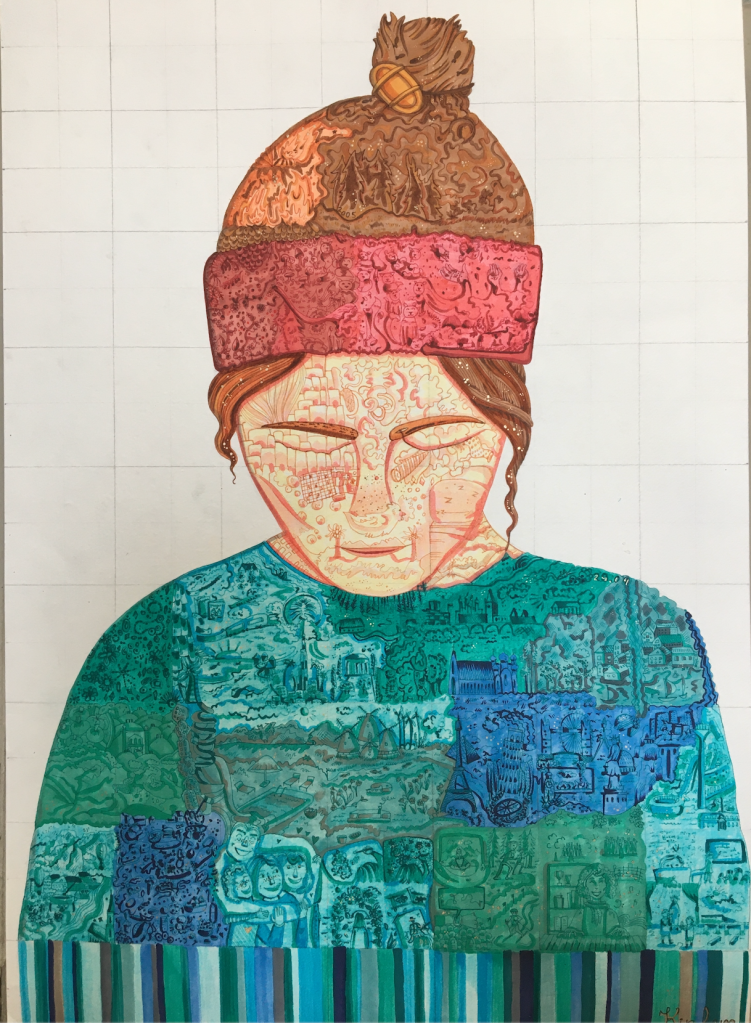
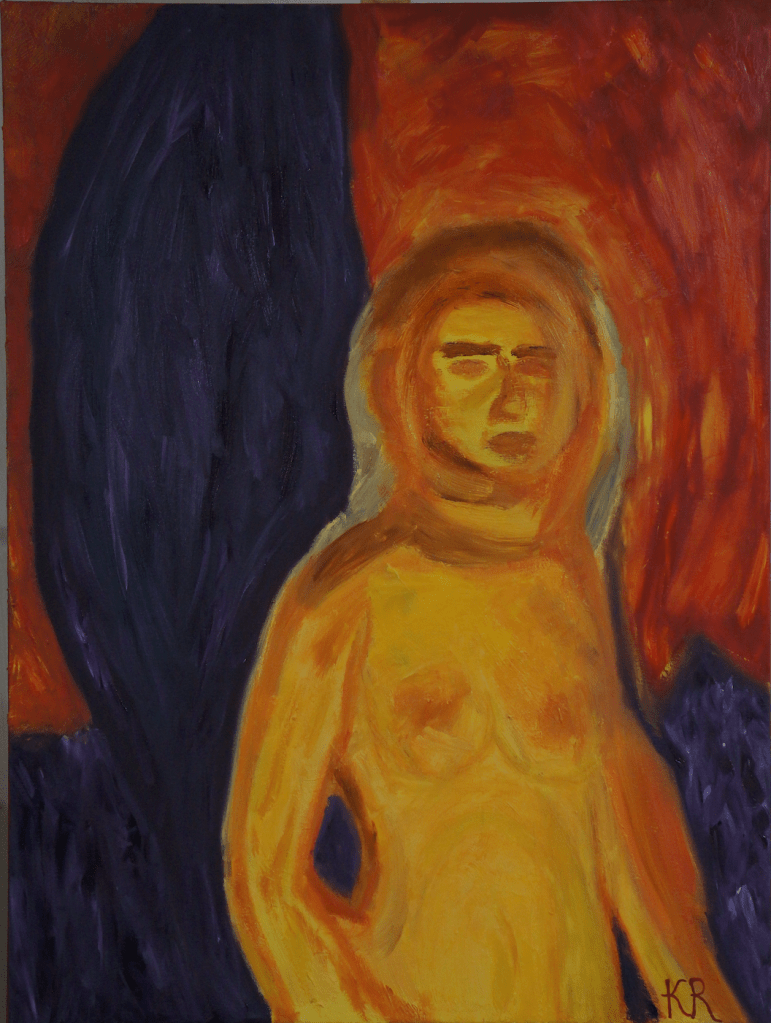
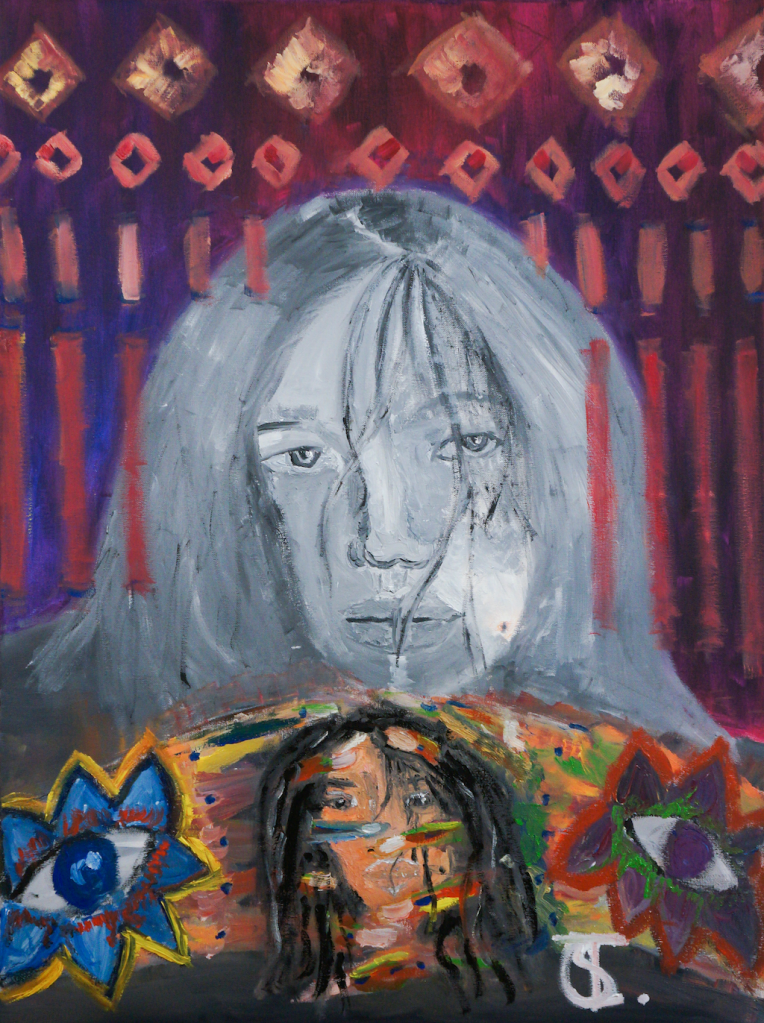
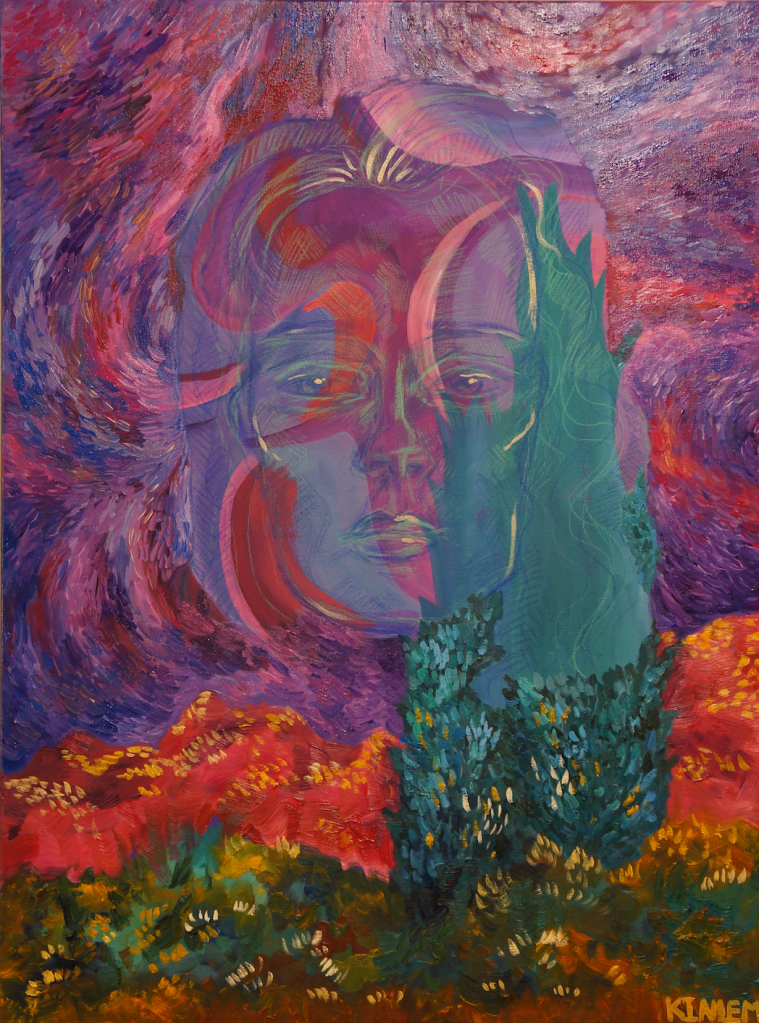
With this collected research students create an artwork, for example, an oil painting on canvas or a ceramic sculpture. This may be mixed media and any style, but must carry some likeness of the student, whether that is physical or other, and shows who they are.
GRASPS
Goal: Create work that expresses your unique identity through visual means
Role: Visual Artists
Audience: Museum curator and the museum visitors.
Situation: you have been asked to create an exhibition that explores identity and diversity by the Bern Kunst Museum as part of the Museum Night.
Product: You will create an artwork that explores your identity
Standards: A, Investigating, B Developing, C Creating, D Reflecting
Inquiry Questions
Who am I and how do I present myself to the world?
The Artist and the World: students explore how they express who they are as artists and individuals, and how they can communicate their identity through their art.
How do artists create works that express identity and how did they communicate this to their audience?
Worldly Connections: Students explore a range of artists to find out different ways of exploring identity through art and how this adds to visual culture
To what extend is my identity shaped by where I come from and the world around me and how is this expressed in my work?
The Artist and the World: After students have explored their histories, they reflect on how this shapes their identity through aesthetics, thoughts, trends, etc. Students articulate where their ideas originate from: “historic precedence”
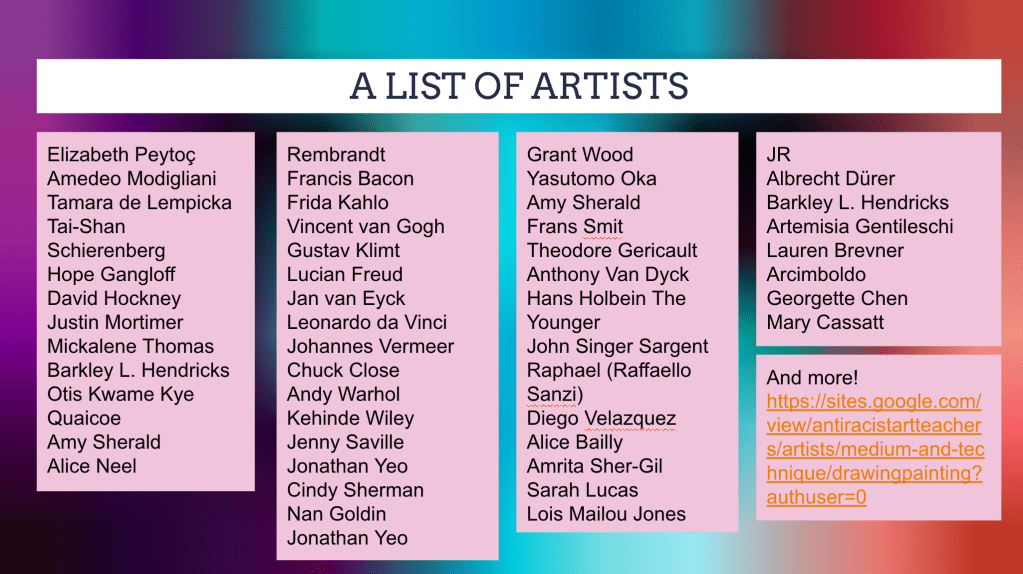
Some artists I introduce during the unit
Jenny Saville
Francis Bacon
Frida Kahlo
Johannes Vermeer
Pablo Picasso
Kehinde Wiley
Rembrandt van Rijn
Gustaf Klimt
Bisa Butler
David Hockney
Lucian Freud
Materials
Students are free to use any media, any technique, any art making form. They should always be able to explain and justify their choices.
In some years, all students want to paint, in other years students want to work more with collage or clay.
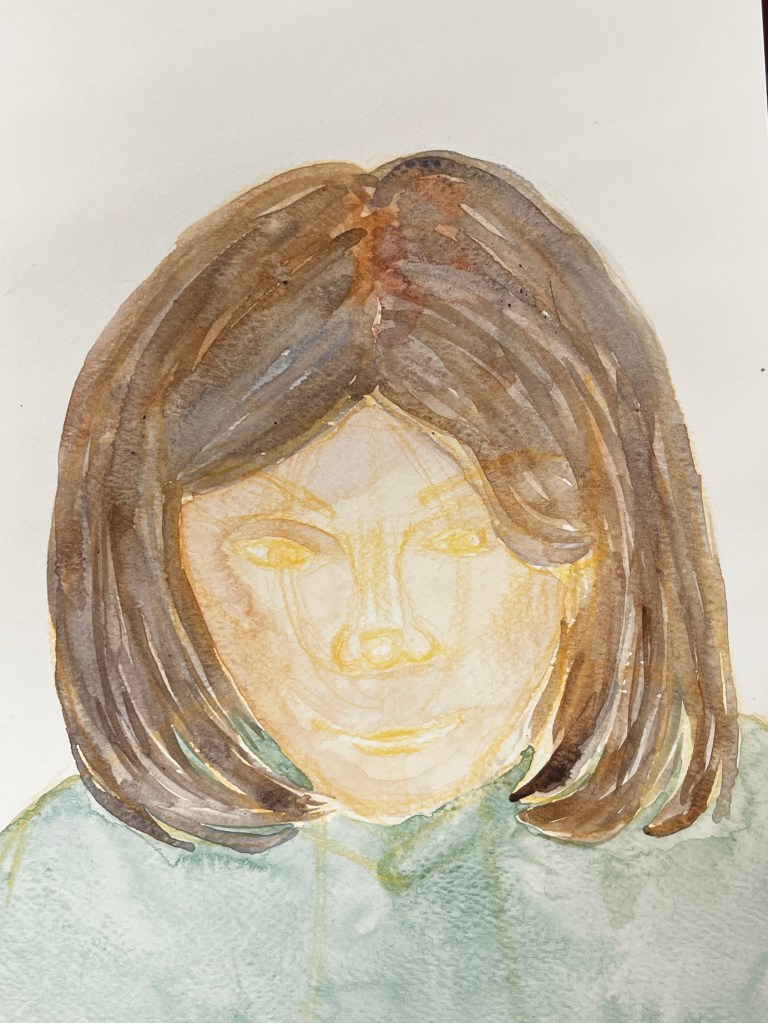
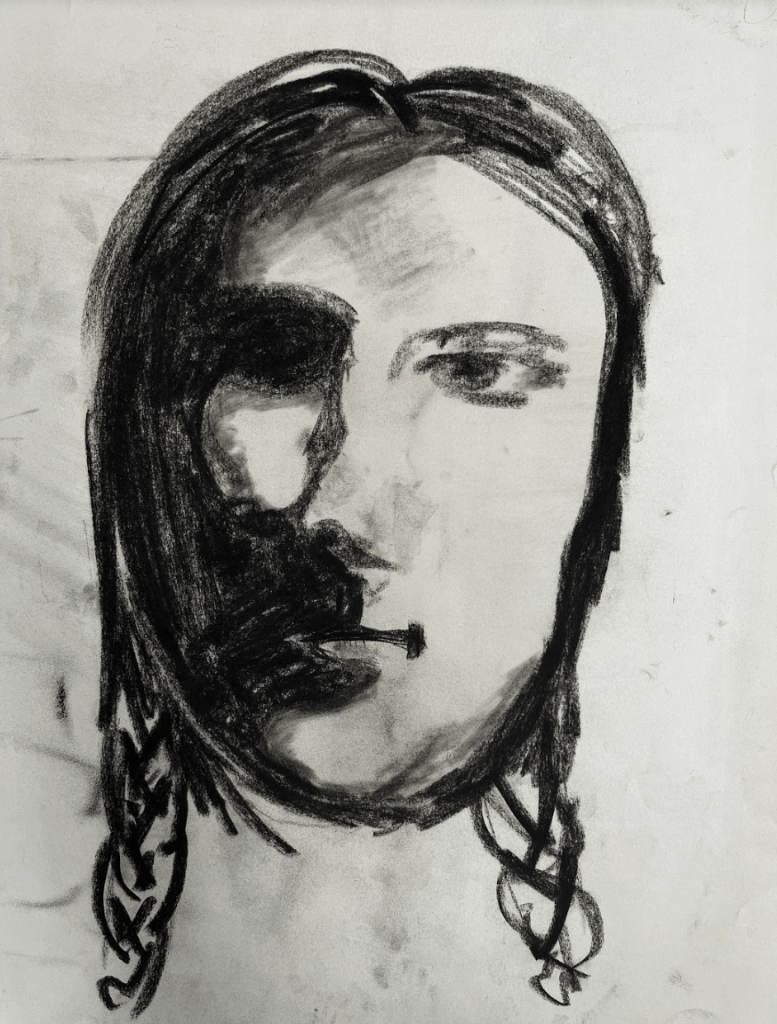
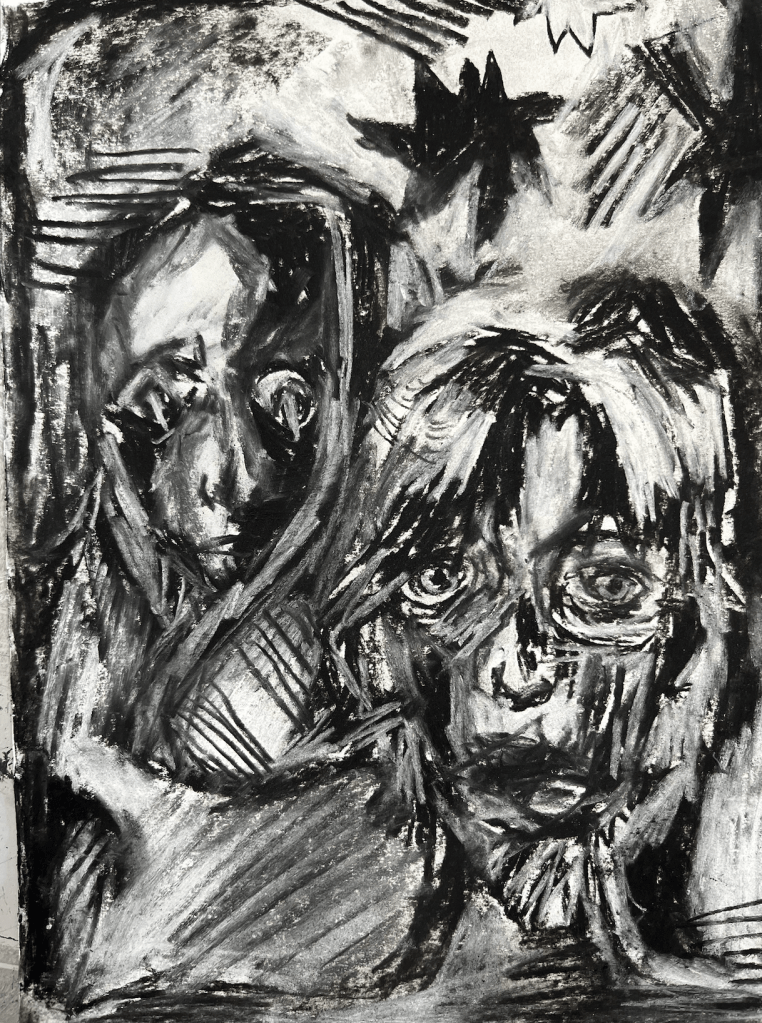
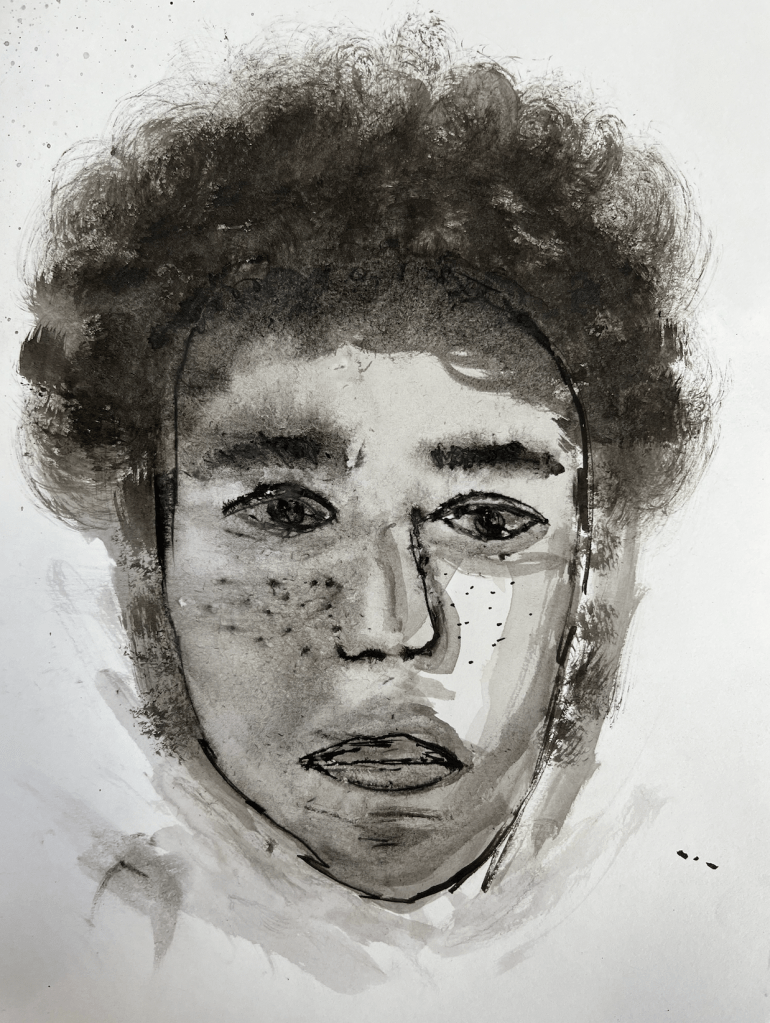
During the skills building phase students practice with pencils, watercolour, acrylic -and oil paint, and charcoal.
Criteria A: Investigating
At the end of year 5/Competent stage, students should be able to:
i. investigate a movement(s) or genre(s) in their chosen arts discipline, related to the statement of Inquiry
ii. critique an artwork or performance from the chosen movement(s) or genre(s).
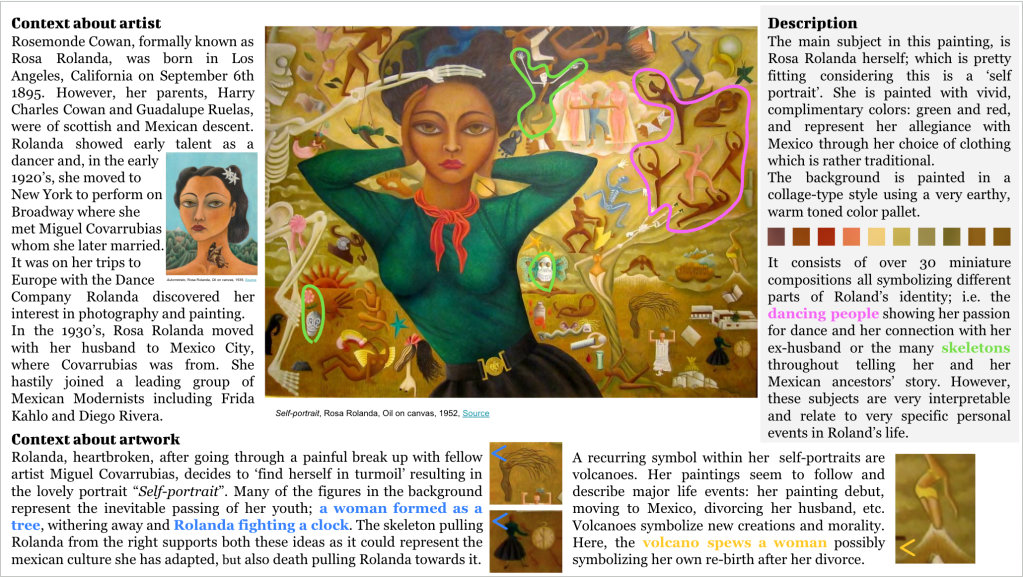
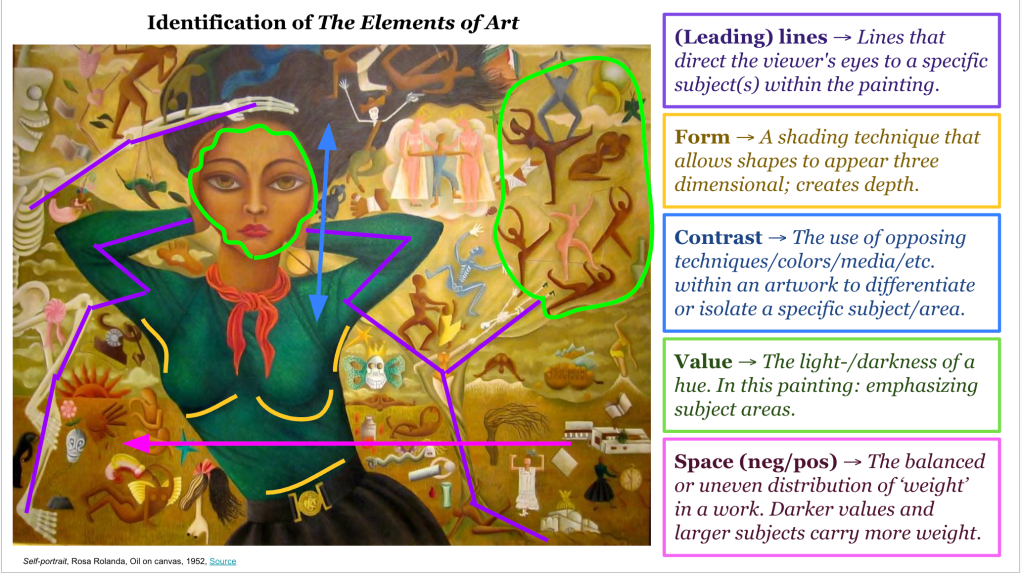
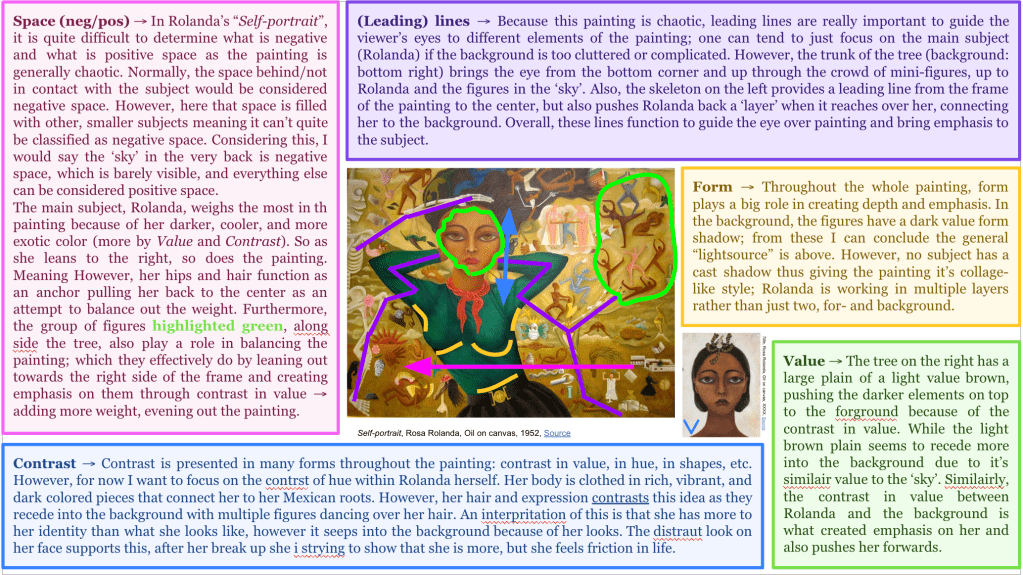
Students choose two portrait artworks by different artists for their investigation and follow these steps:
- Describe the artworks
- Describe the style, symbols, interpretation
- Identity, describe and analyse the relevant formal qualities
- Discuss the function & purpose and cultural context
- Compare the two works
- Review their research by discussing what they found inspiring about the works and what they might use in their own work
Students do this in a google slide, in preparation for the Comparative Study component of the DP course.
Some EAL learners find it easier to write in their preferred language first and then translate it using a dictionary or translation tool. For this criteria I am looking for the student’s understanding and careful observation of the works and formal qualities, in which ever format or language might work best for the student.
Criteria B: Developing (exploring ideas)
At the end of year 5/Competent stage, students should be able to:
i. practically explore ideas to inform development of a final artwork or performance
ii. present a clear artistic intention for the final artwork or performance in line with the statement of inquiry.
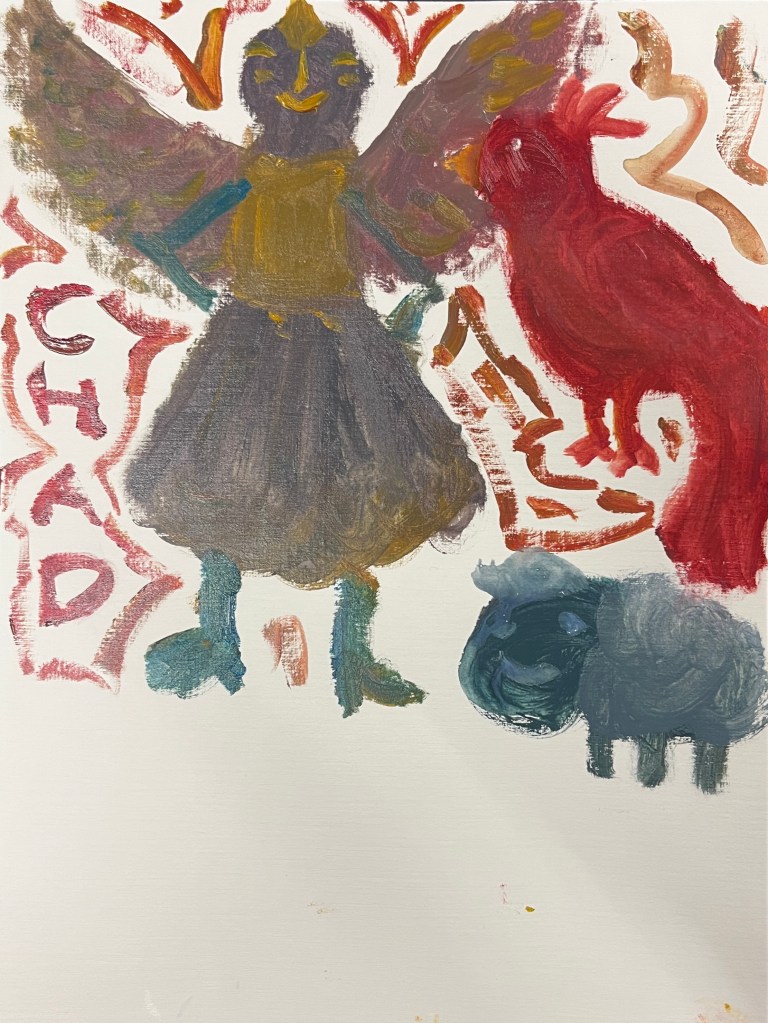
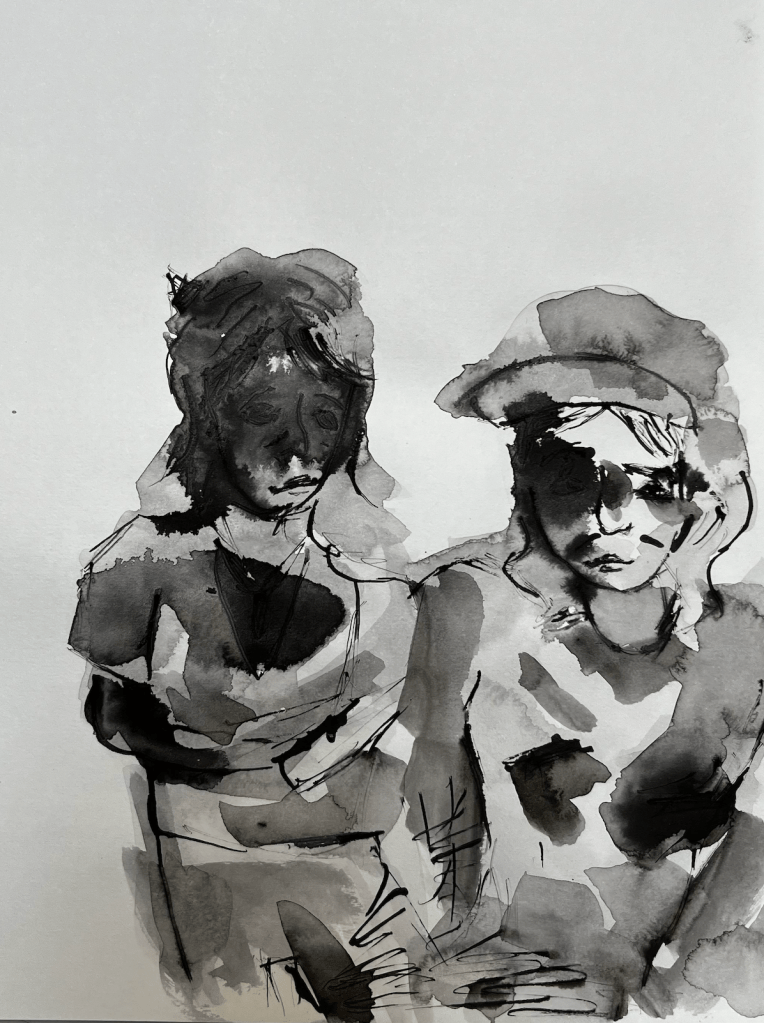
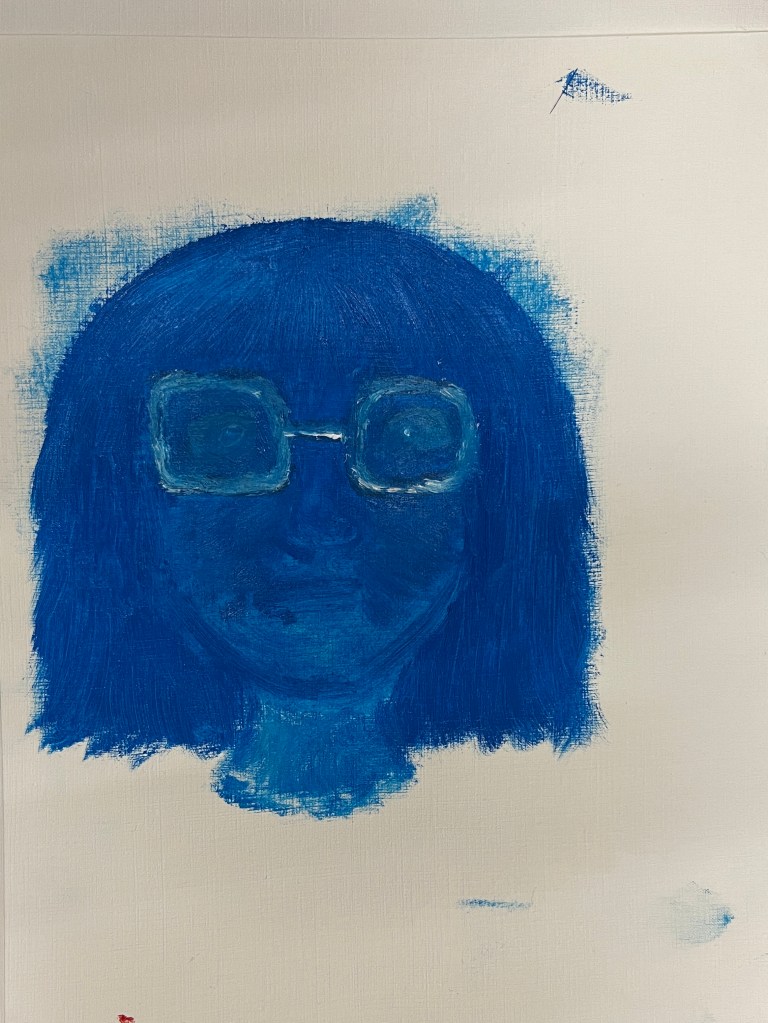
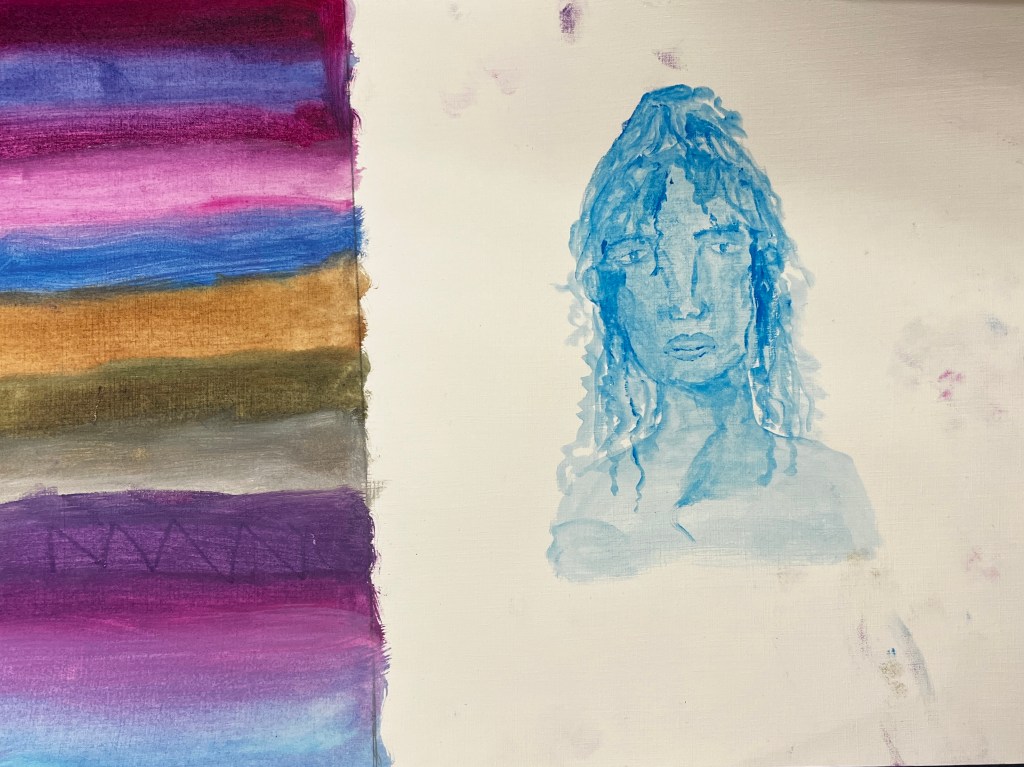
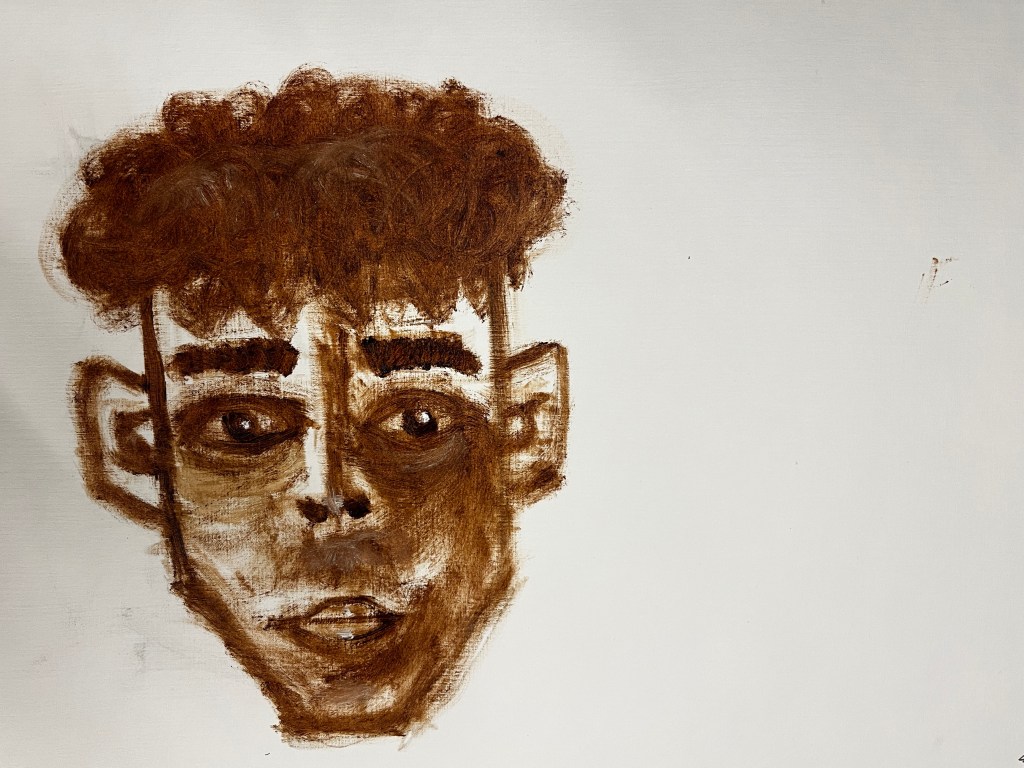
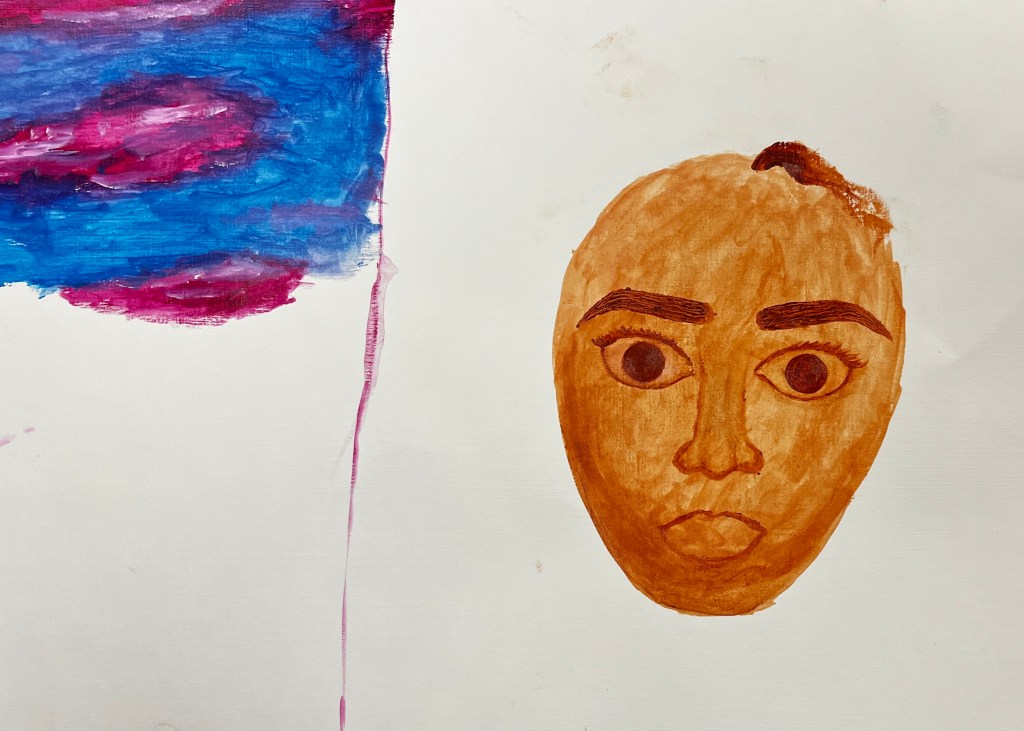
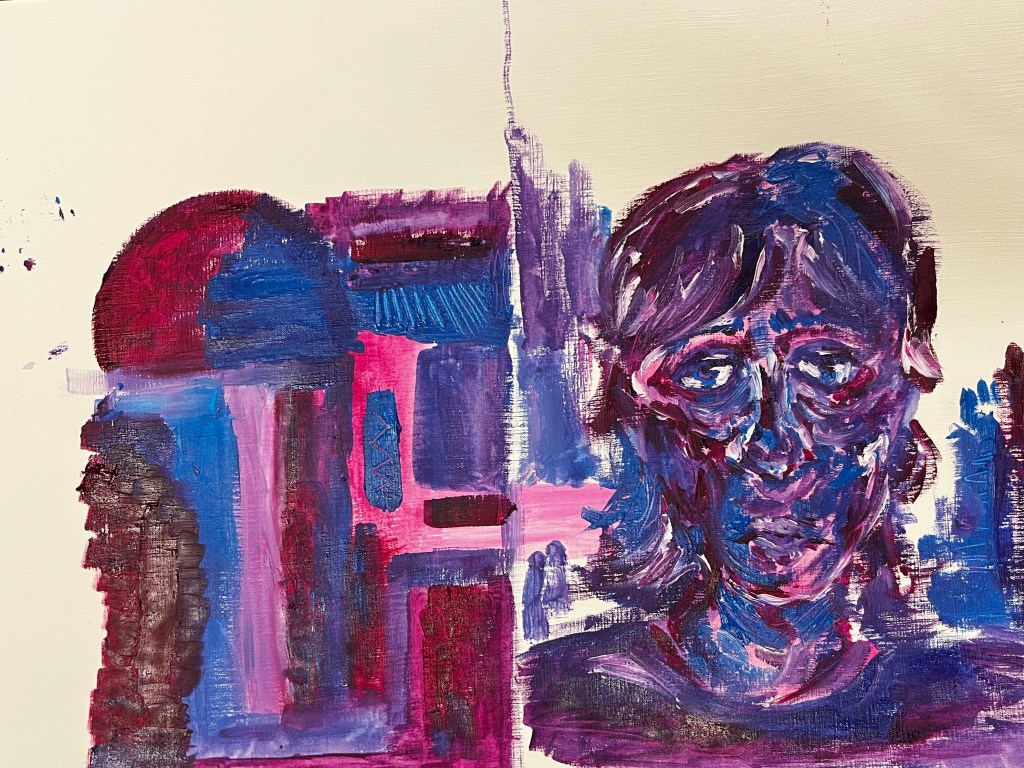
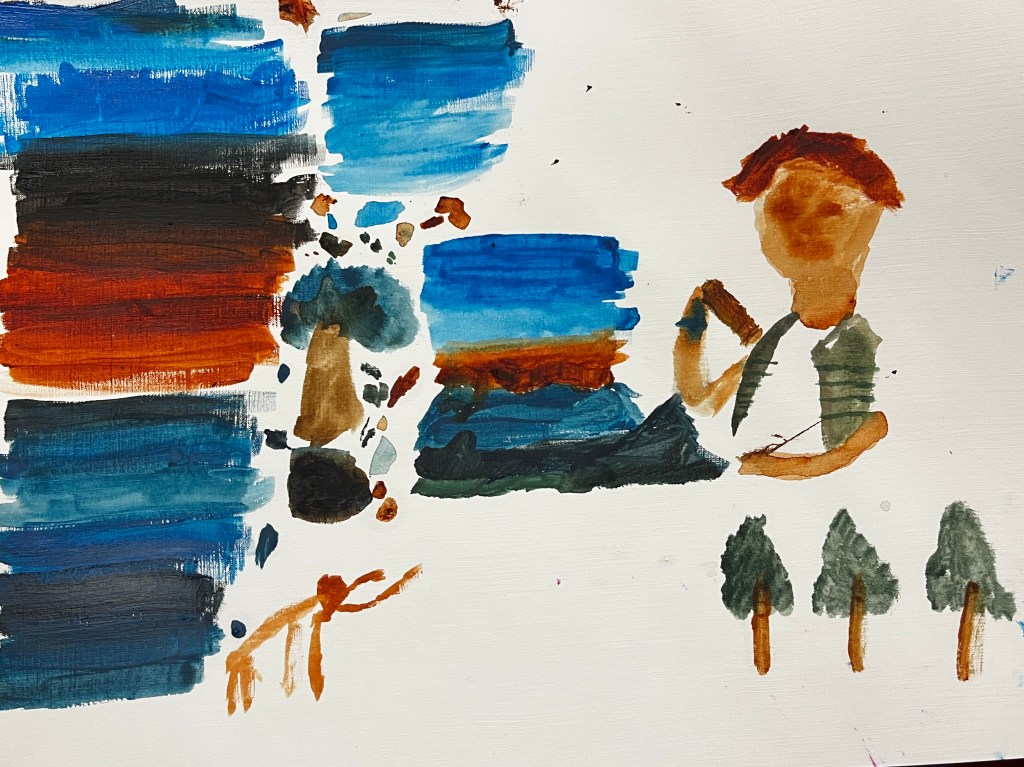
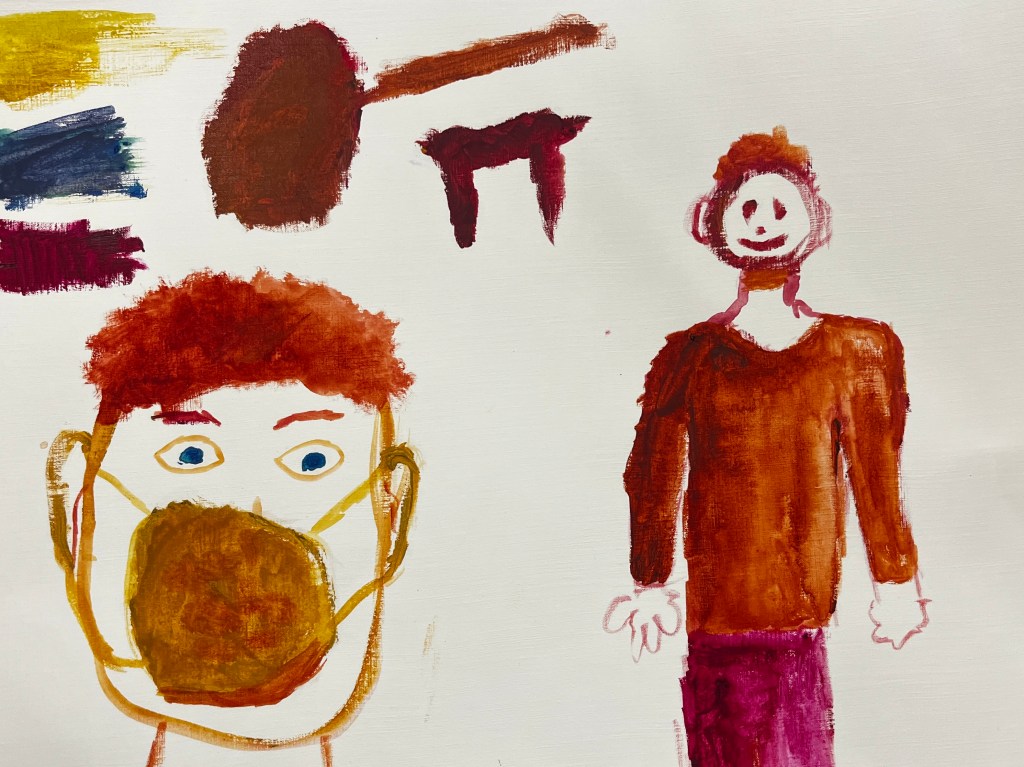
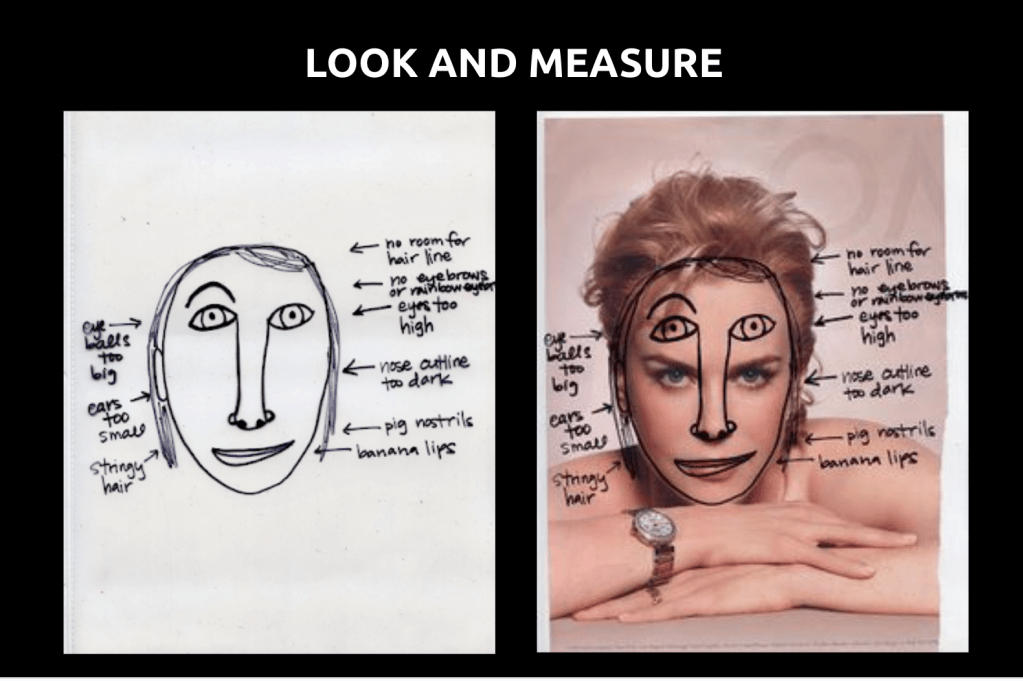
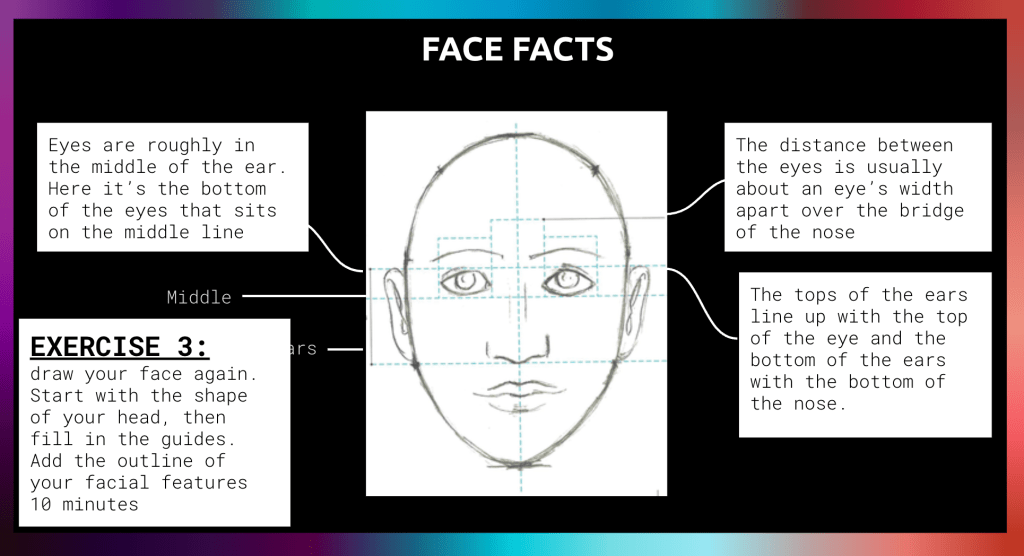
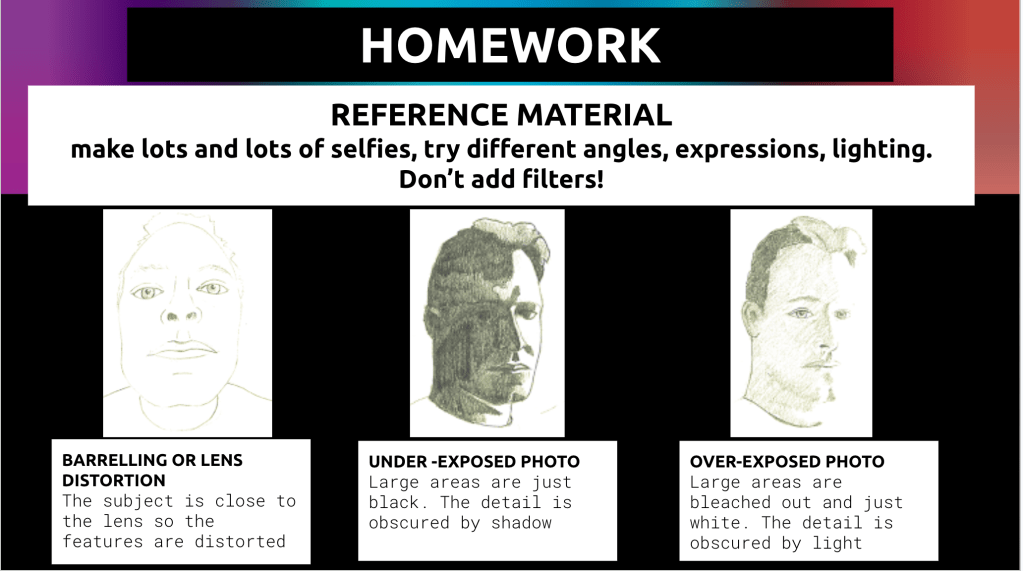
Students practice portraiture and using different media at the same time through prompts and exercises to build their understanding of how to represent the facial features.
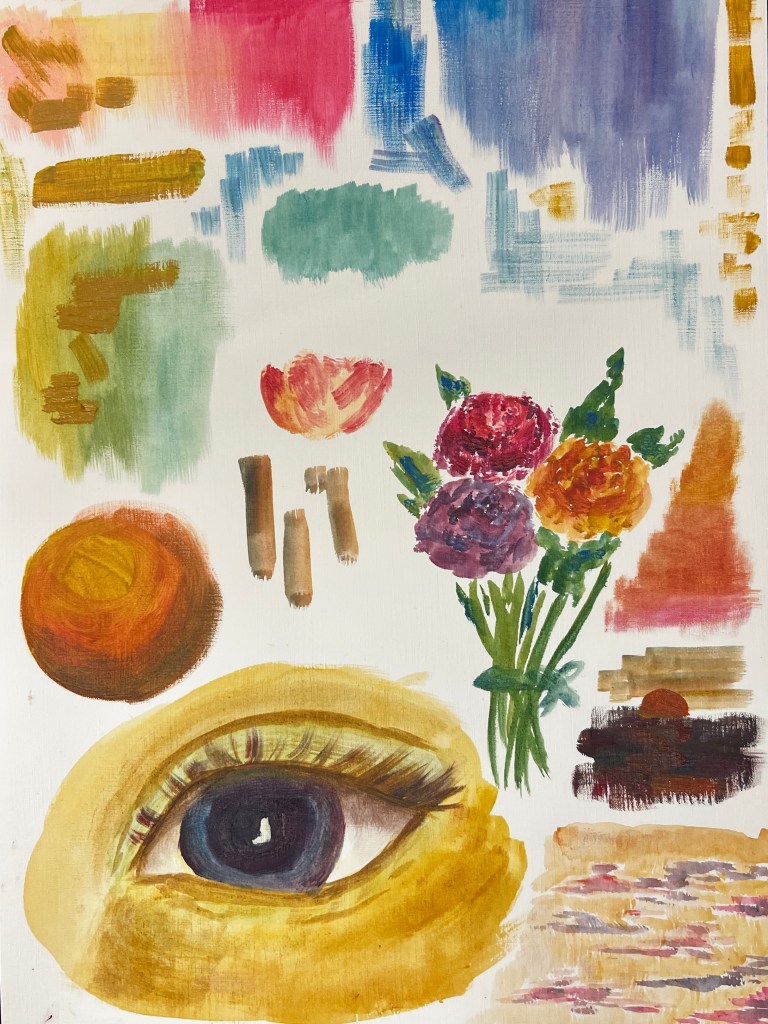
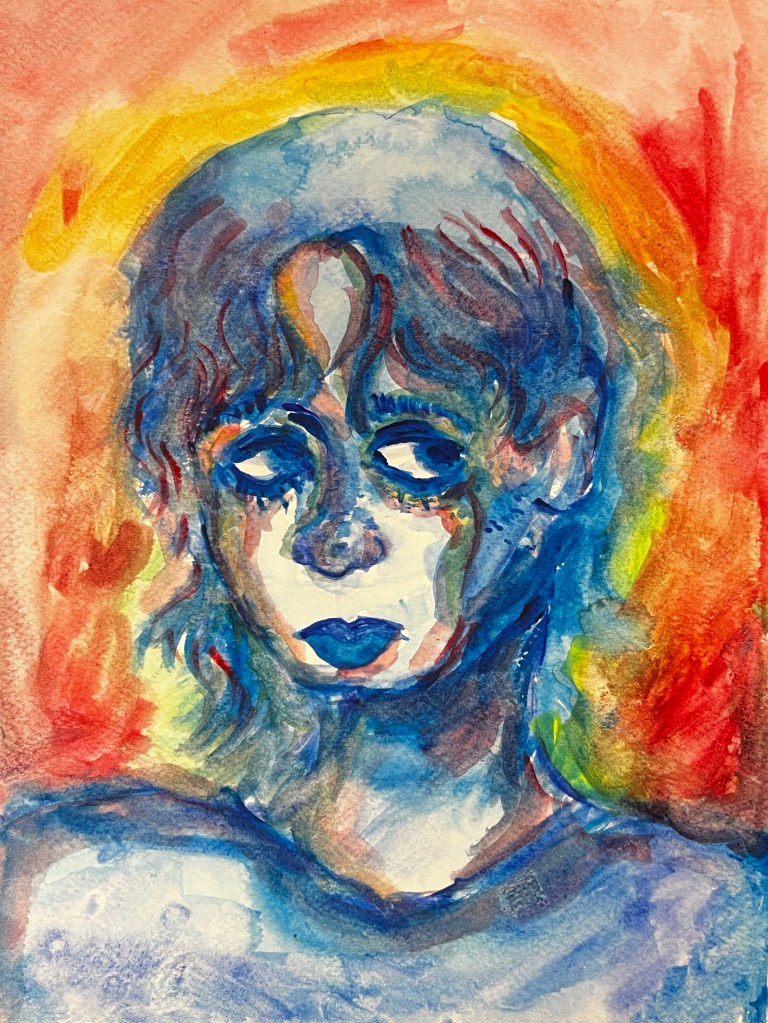
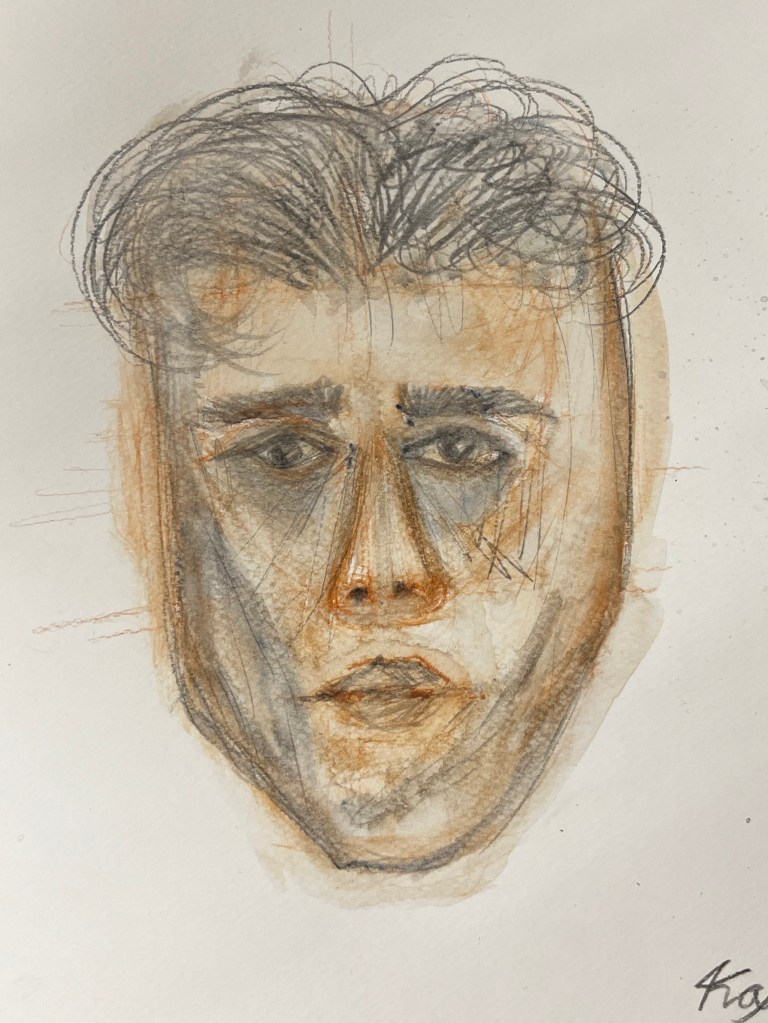
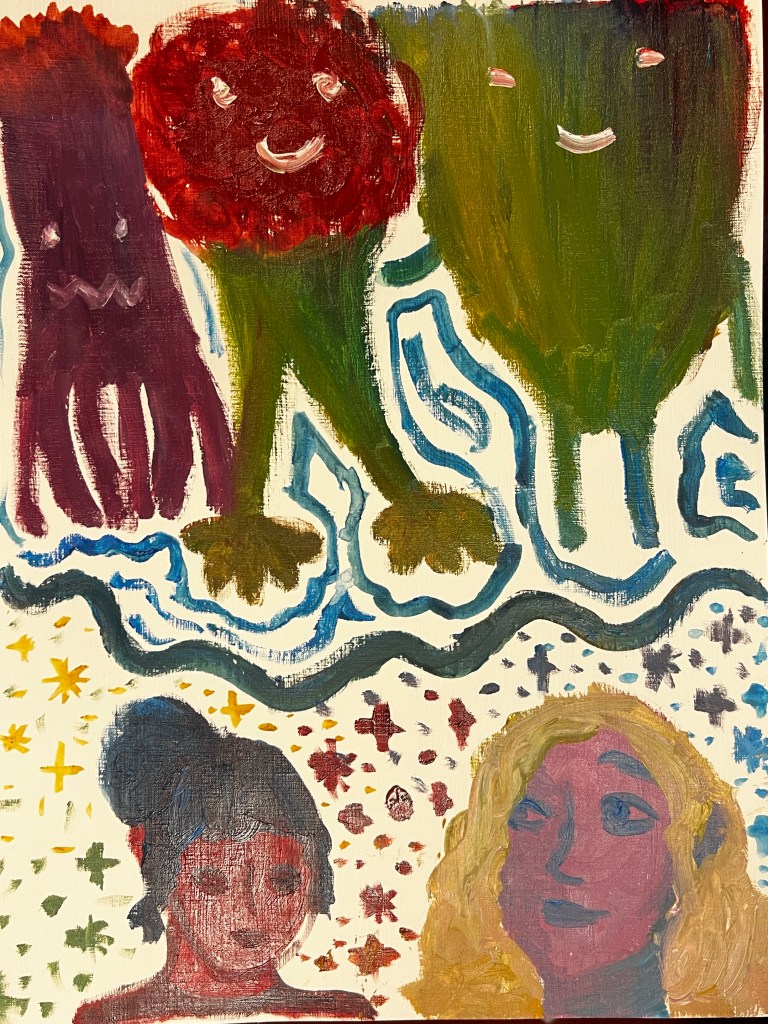

Criteria B: Developing (concept)
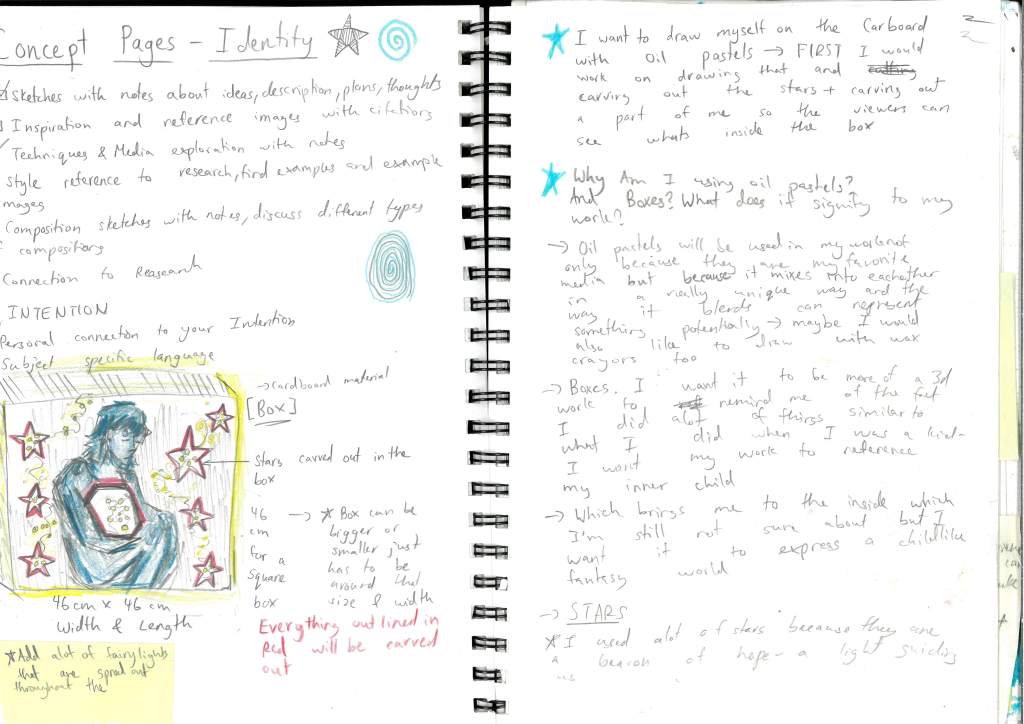
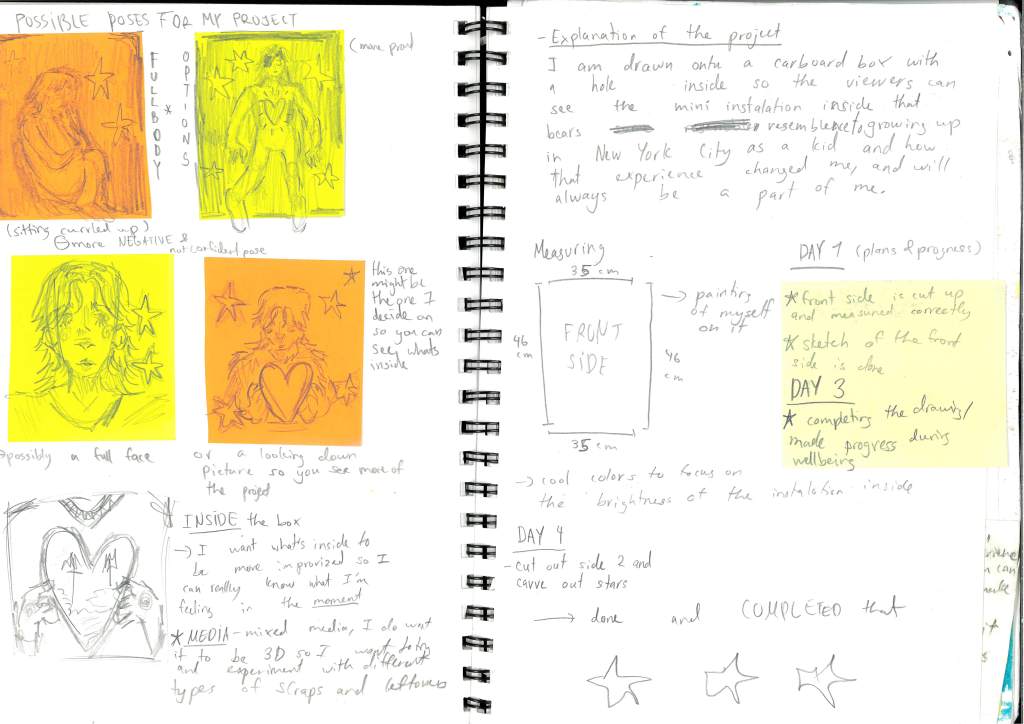
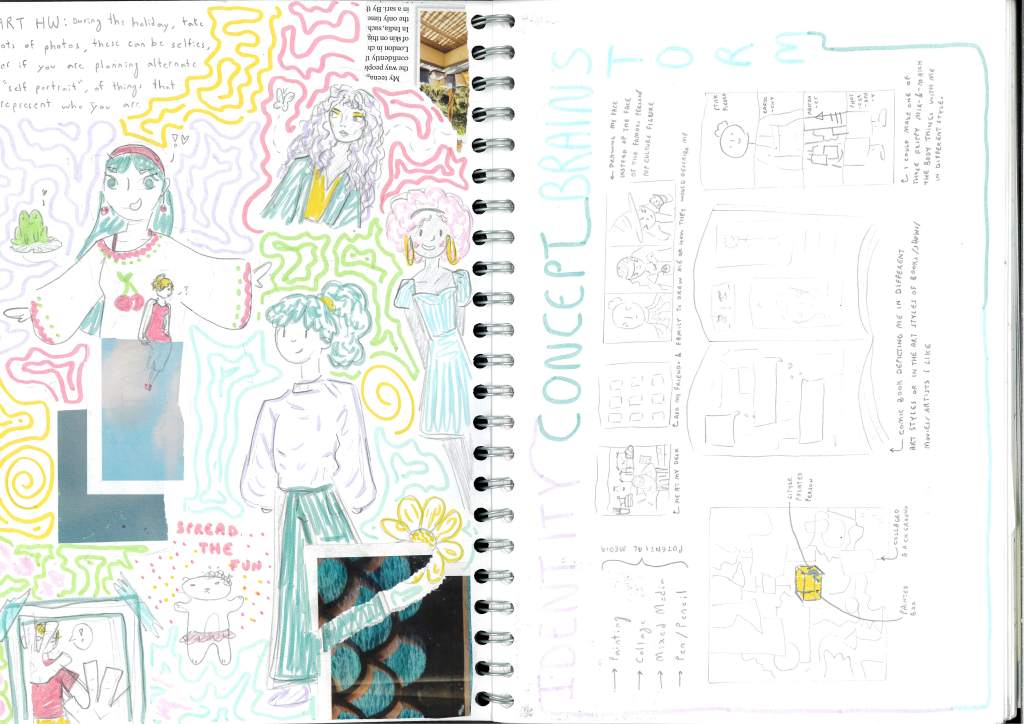
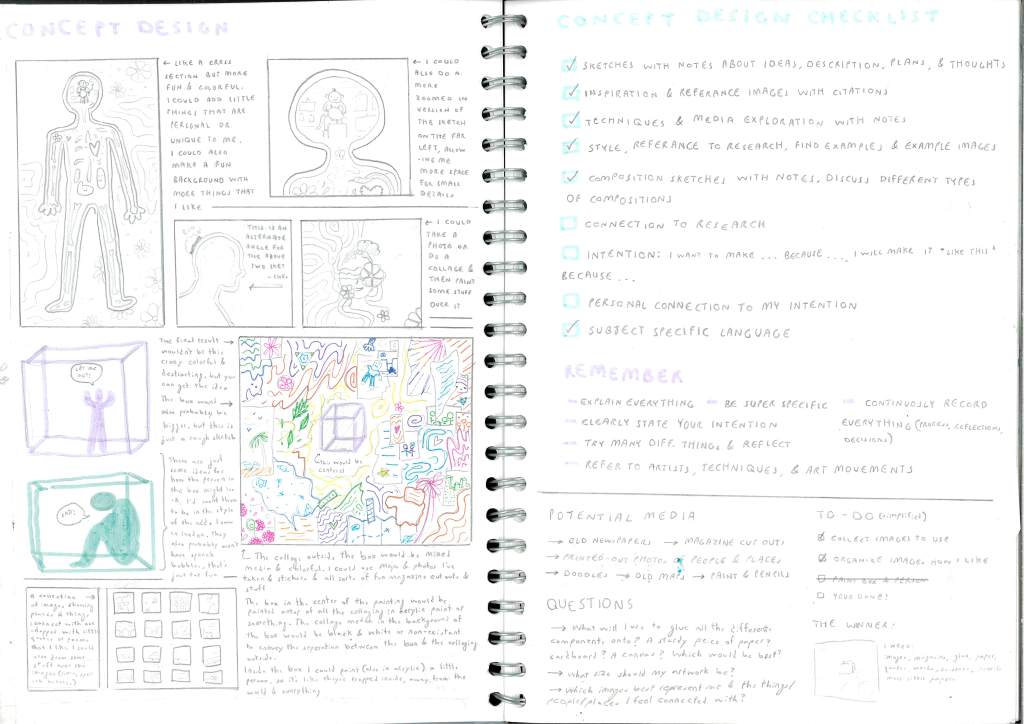
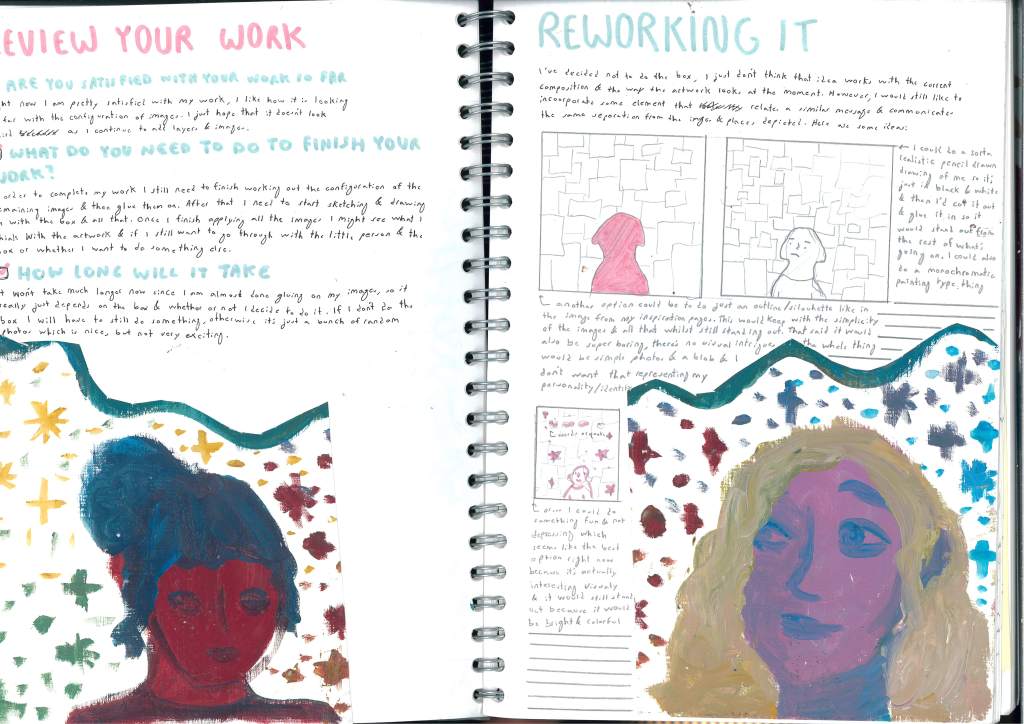
- AT LEAST 3 ALTERNATIVE SOLUTIONS/IDEAS including sketches, media explorations and annotations. These alternatives can be different compositions, different media, different formats, colour, etc.
- MEDIA AND COLOUR EXPLORATIONS – add text discussing options and decisions
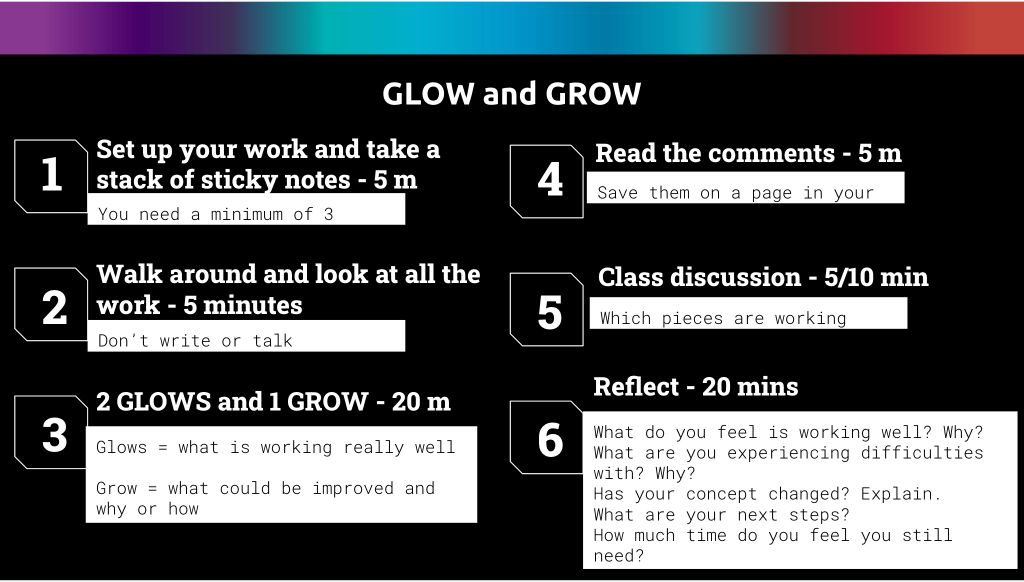
- A REVIEW OF THE ALTERNATIVES This can be done with simple annotations or more elaborate reflections. Consider how these alternatives respond to your intentions, how they might be received by the audience, how they fit within your body of work and area of exploration.
- REFERENCE IMAGES. cite all images that are not yours
- A CLEARLY STATED INTENTION.
WHAT: I want to make….because…..
LOOKS: I want to use this composition/formal qualities…. Because….
TECHNIQUE: I want to use these techniques….. because ….
MATERIAL: I want to make it with this surface/media/tools/material ….because….
TOOLS: I want to make use these tools….because….
INSPIRATION: I have been inspired by…. Because….
AUDIENCE: I want my audience to experience/feel/think/know/takeaway/etc…. because……
GAINS: I want to gain/learn/try/feel/etc through the creation of this work…. Because….. - A PLAN. When you have chosen your alternative, make a plan and include steps you have to take, materials you need, and a time frame in which you will finish the work. As you work, things might change, this is okay! Just make a not of it
- USE SUBJECT SPECIFIC LANGUAGE
Criteria C: Creating
At the end of year 3/Intermediate stage, students should be able to:
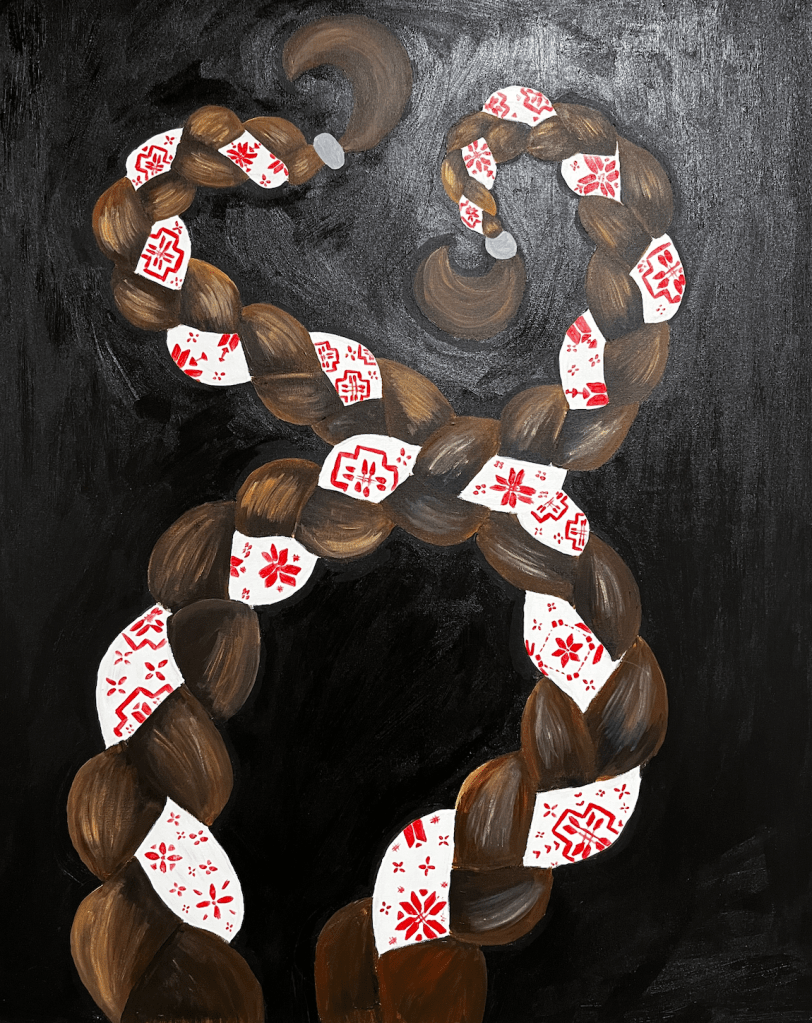
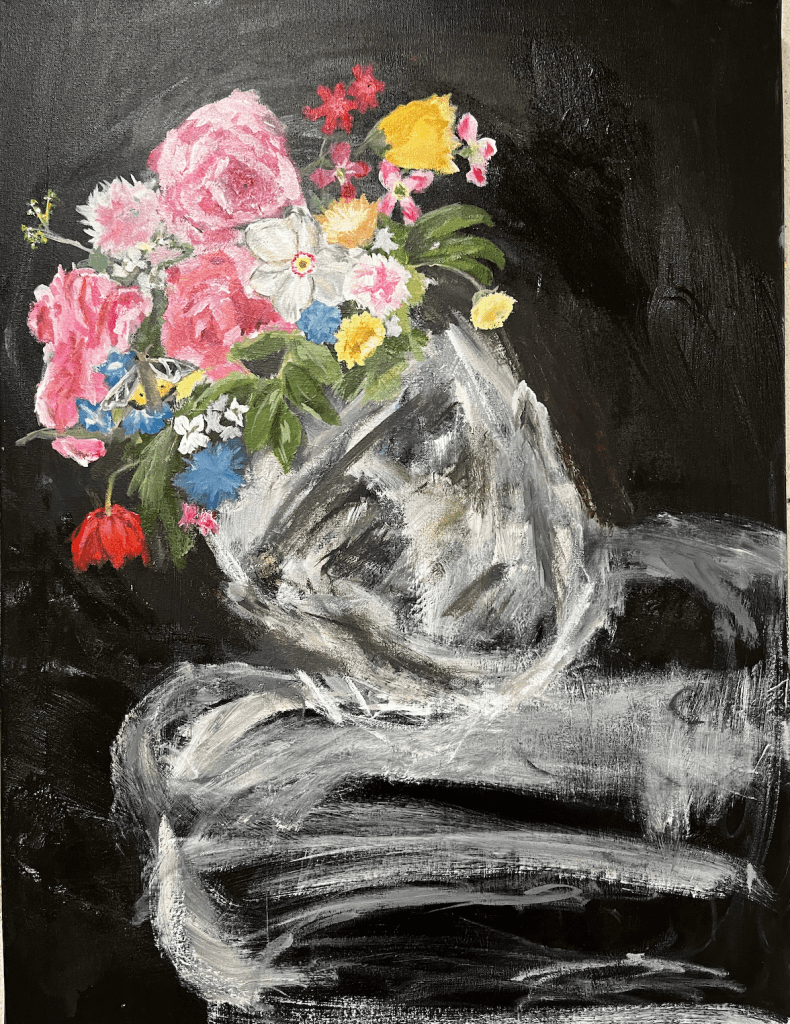
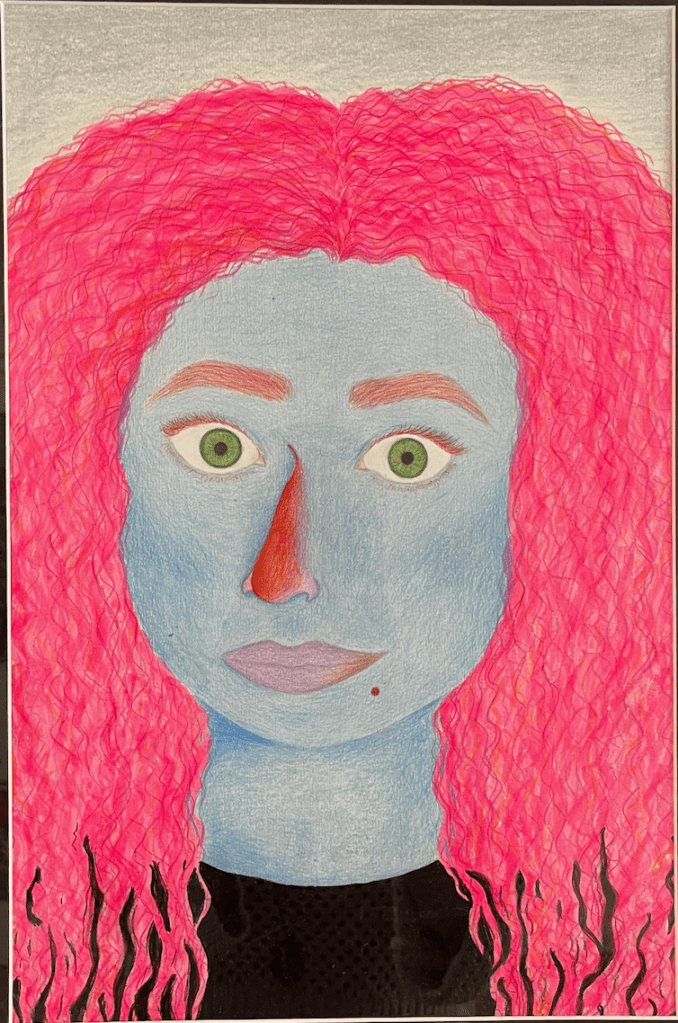
i. create or perform an artwork.
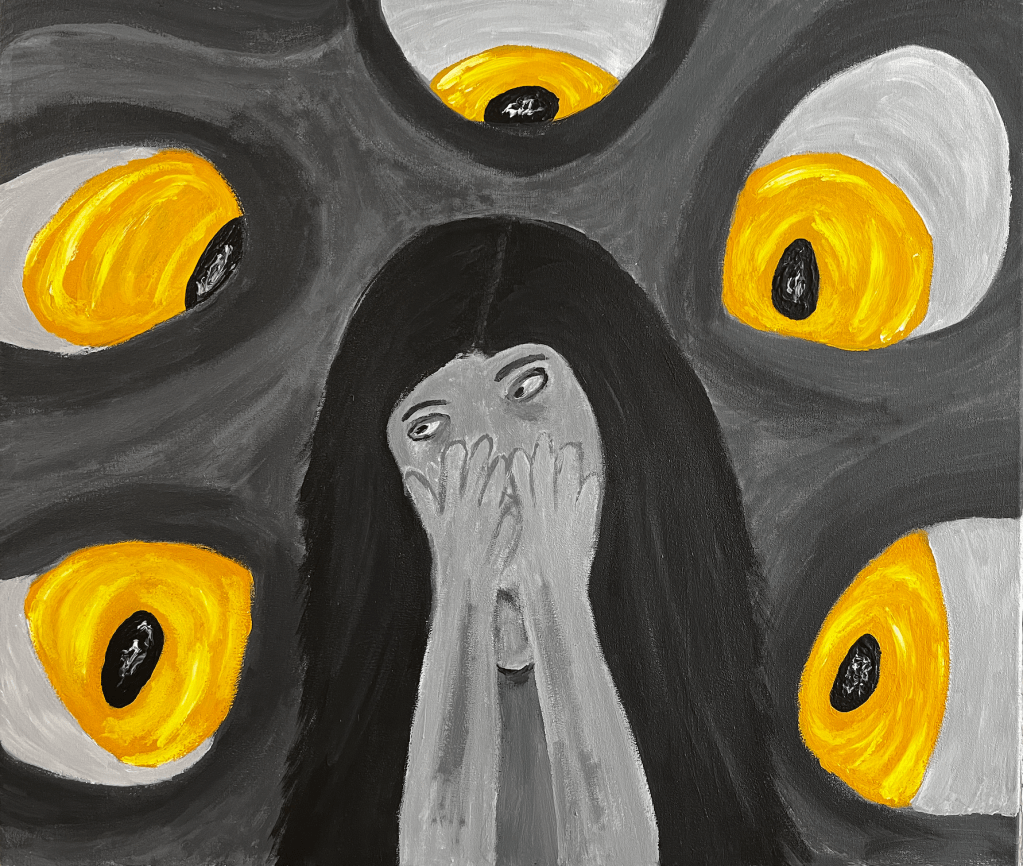
Criteria D: Reflecting
At the end of year 5/Competent stage, students should be able to:
i. appraise their own artwork or performance
ii. reflect on their development as an artist.
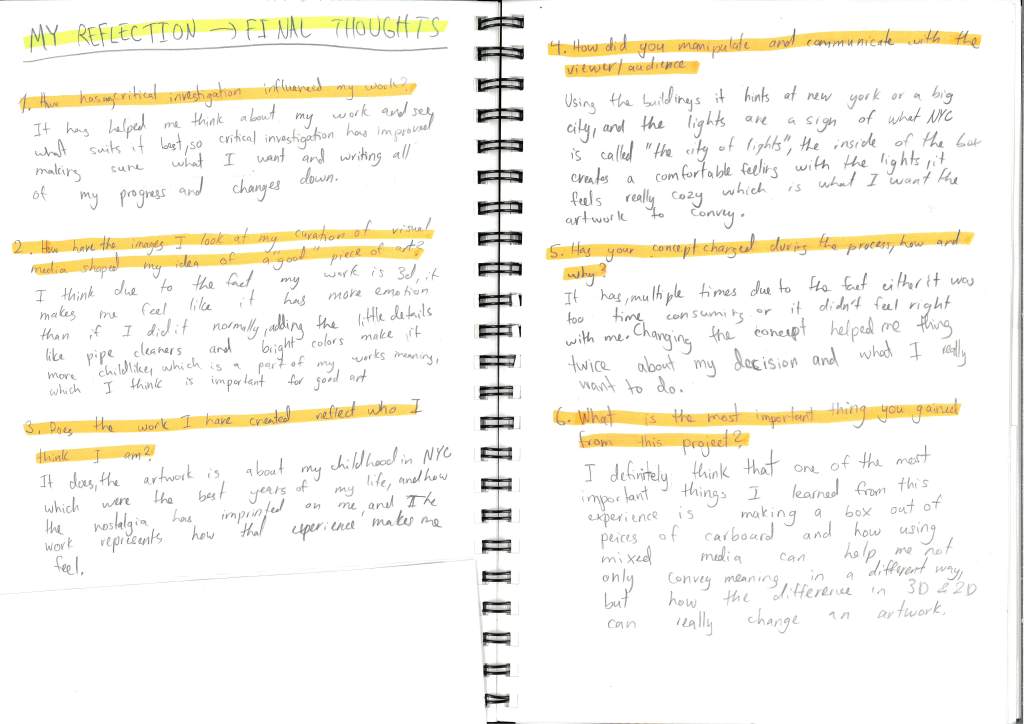
Final reflection questions:
- How has my critical investigation influenced my work?
- How have the images I look at and my curation of visual media shaped my idea of a “good” piece of art?
- Does the work I have created reflect who I think I am?
- How did you manipulate and communicate with the viewer/audience?
- Has your concept changed during the process, how and why?
- What is the most important thing you gained from this project?

 Where the Art is