
During this unit students practice observing and analysing art using the formal qualities, translating environmental themes into sculptures, and creating art with clay. There is space for student enquiry during this unit, for example how students collaborate to create one large reef, or the option to extend from just exploring ocean environments, to other biomes such as rainforests.
To start the unit, we look at the work of Courtney Mattison and I ask students what they notice and what they think these works mean. From there a conversation about the formal qualities (especially form, proportion, colour) and the environment arises.
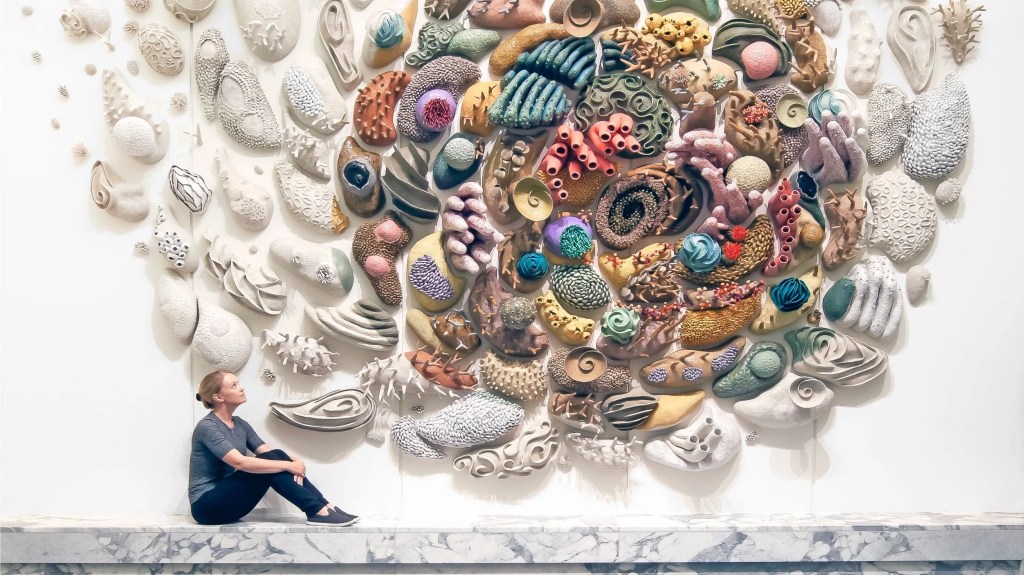
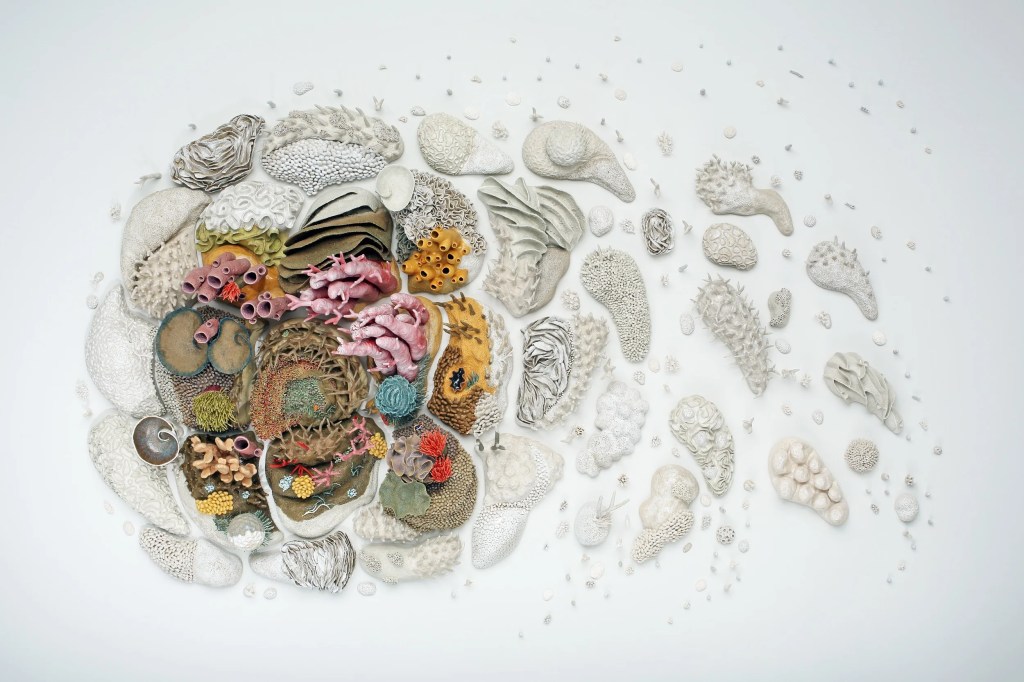

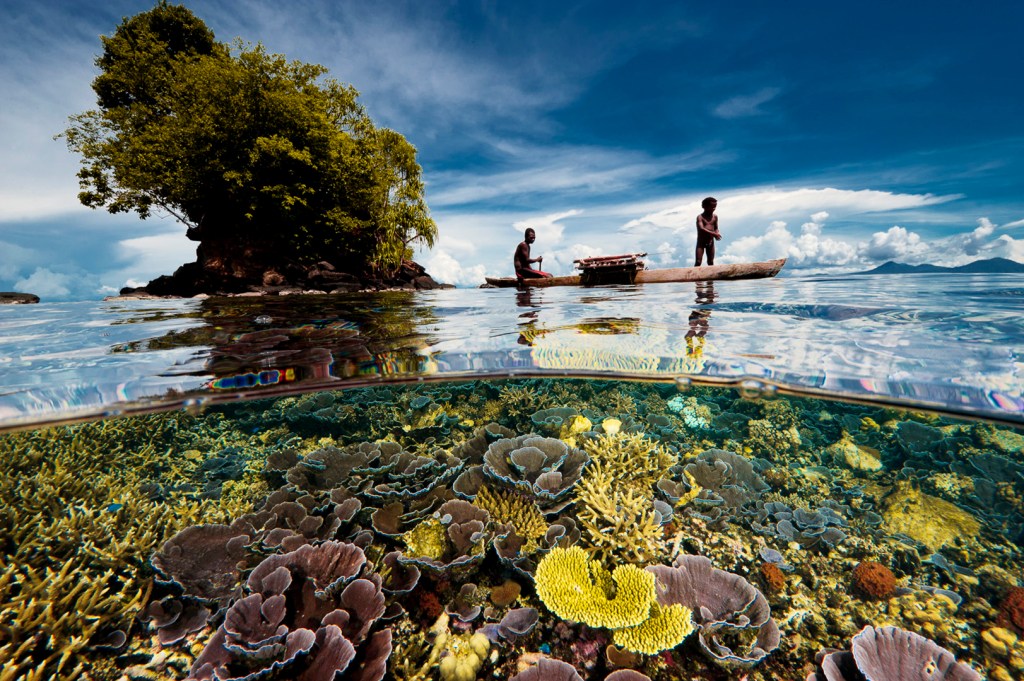
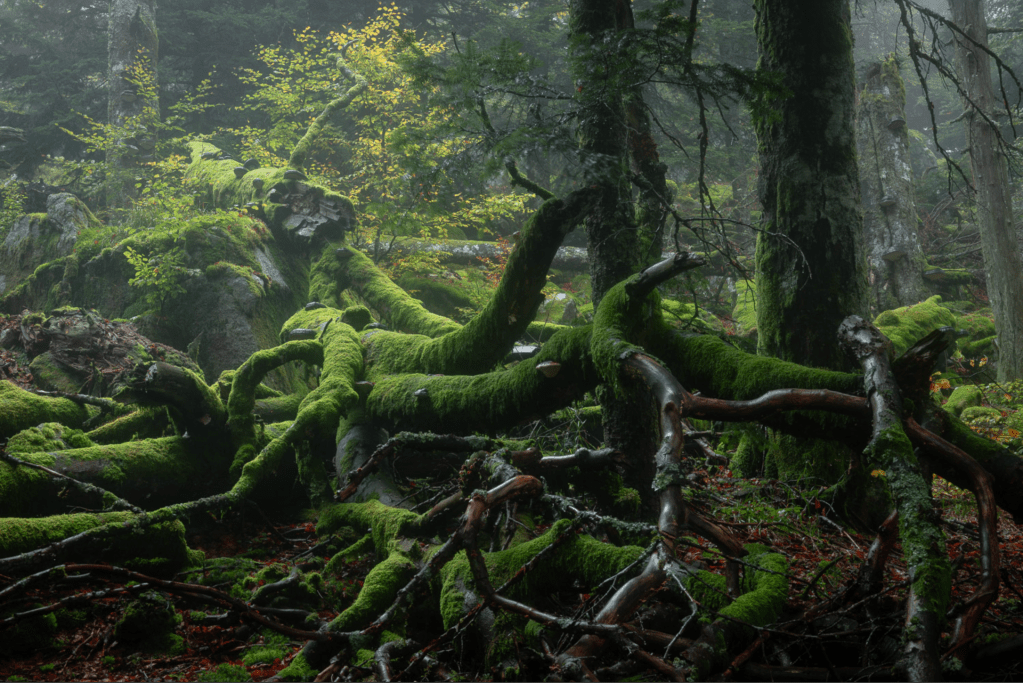
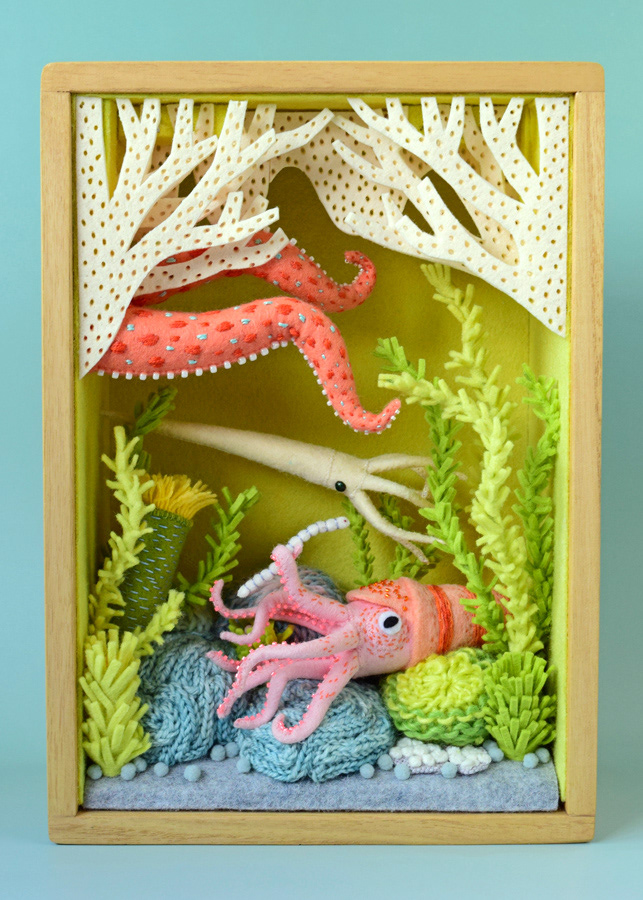
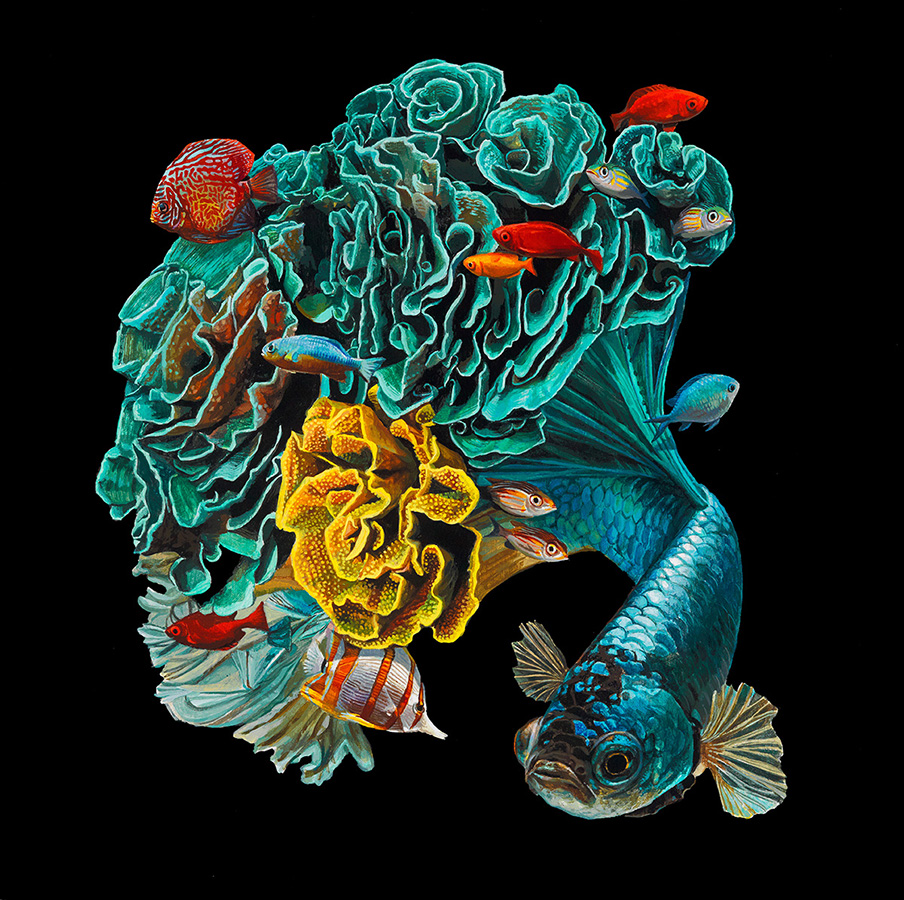
We also had a look at the photographs of David Doubilet, especially this series Two Worlds, the photographs of Frederic Demeuse, his series of Hidden Places is fantastic, Hiné Mizushima‘s felted sea creatures and Lisa Ericson‘s coral transformation paintings.
Some questions I ask to prompt conversation: David Doubilet: What is the relationship between humans and nature (coral reefs/the ocean)? Frederic Demeuse: Can we see similarities between the forest and coral reefs? Hiné Mizushima: What forms and textures has the artist used to create interest? Lisa Ericson: How are the animals and the ocean connected?
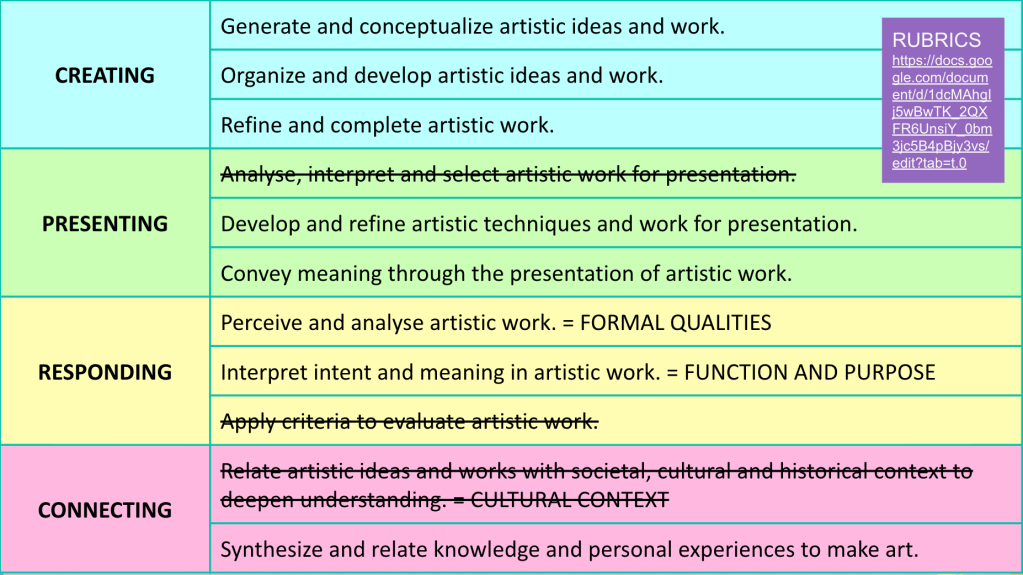
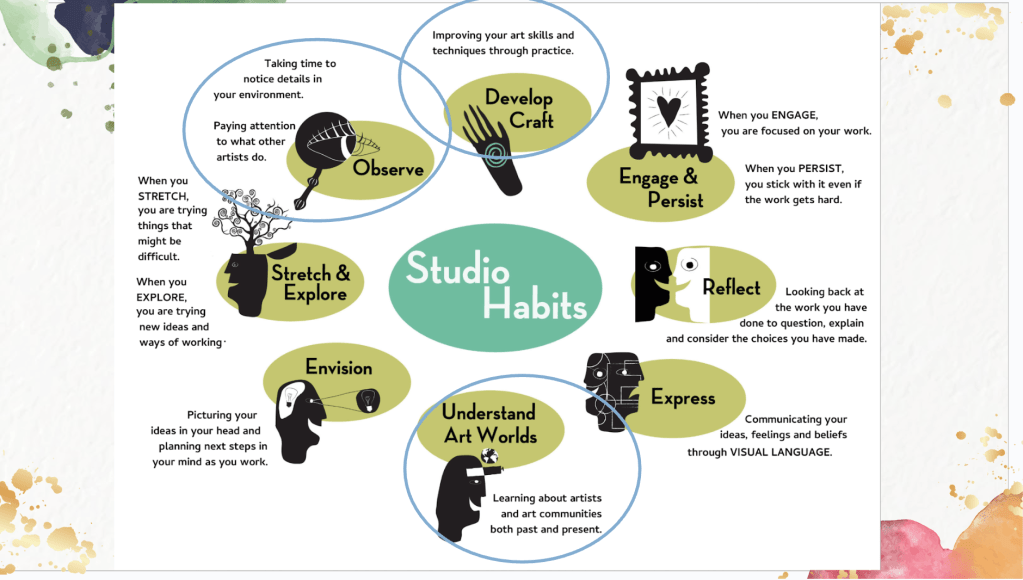
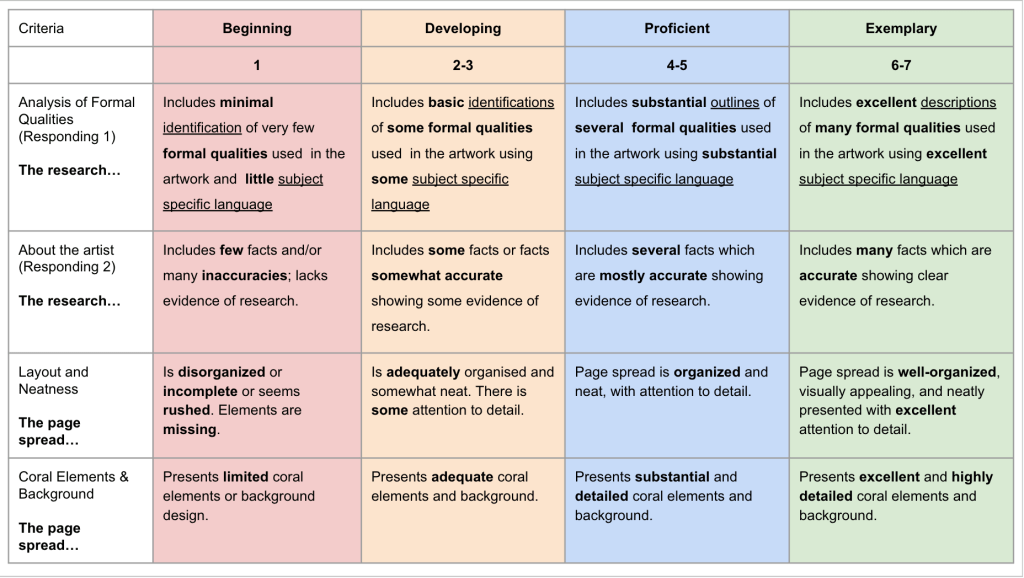
From there I introduce the unit and explain that we will create our own coral reef, or perhaps a different biome, but that we’ll first review some of the formal qualities so that we’ll be ready to apply them in our own work. We discuss the standards assessed during this unit and which Studio Habit of Mind we will practice during the unit.
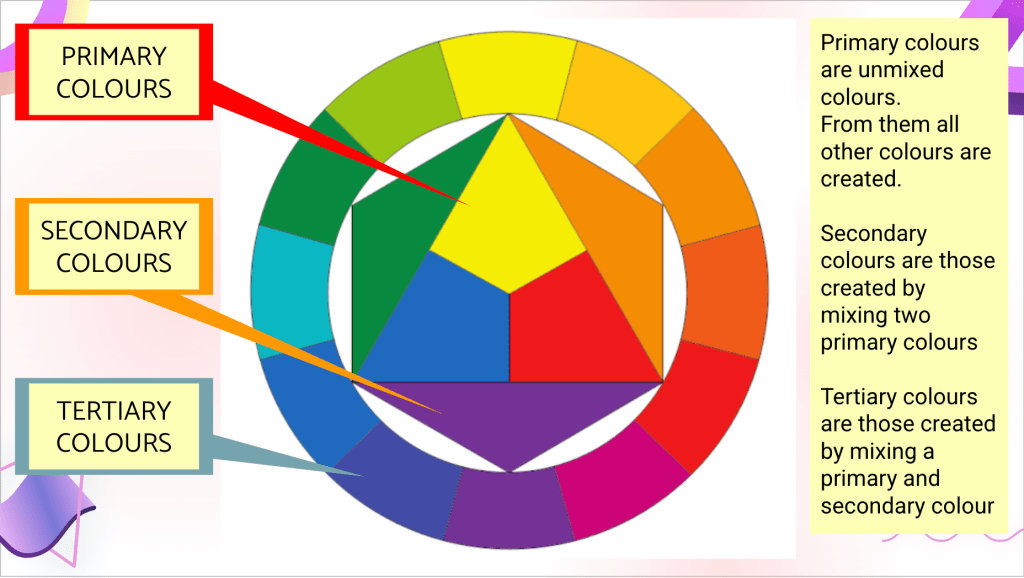
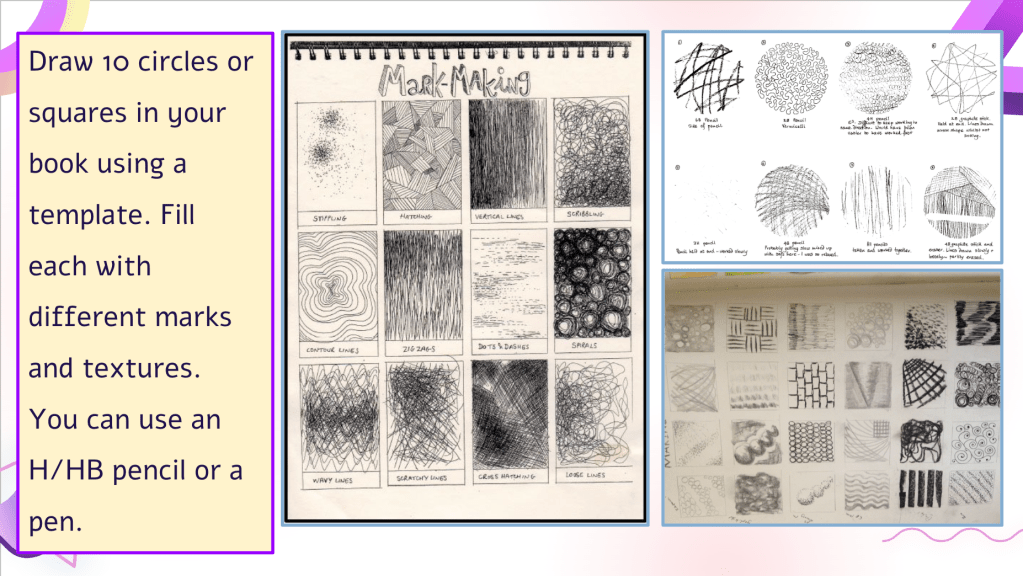
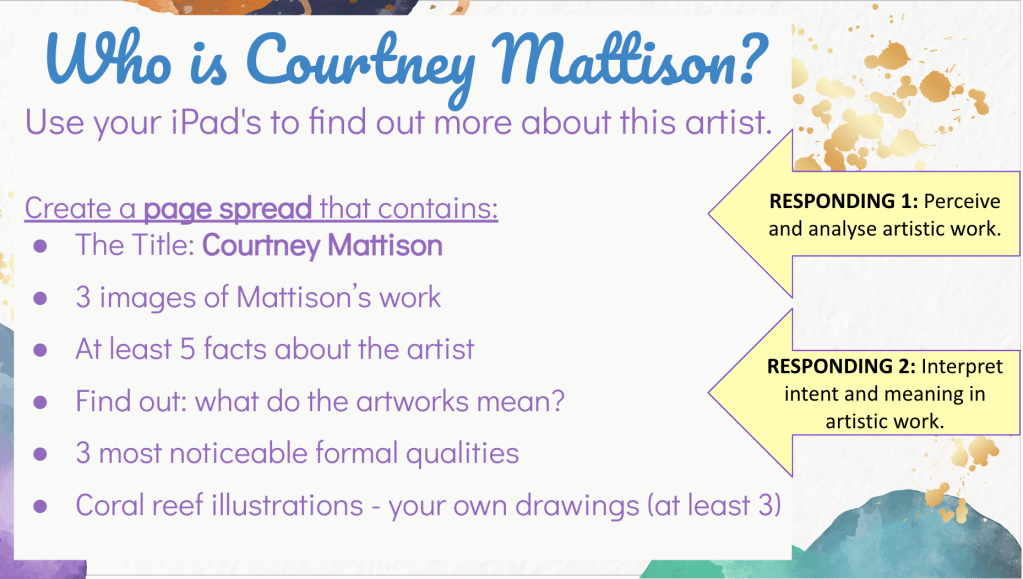
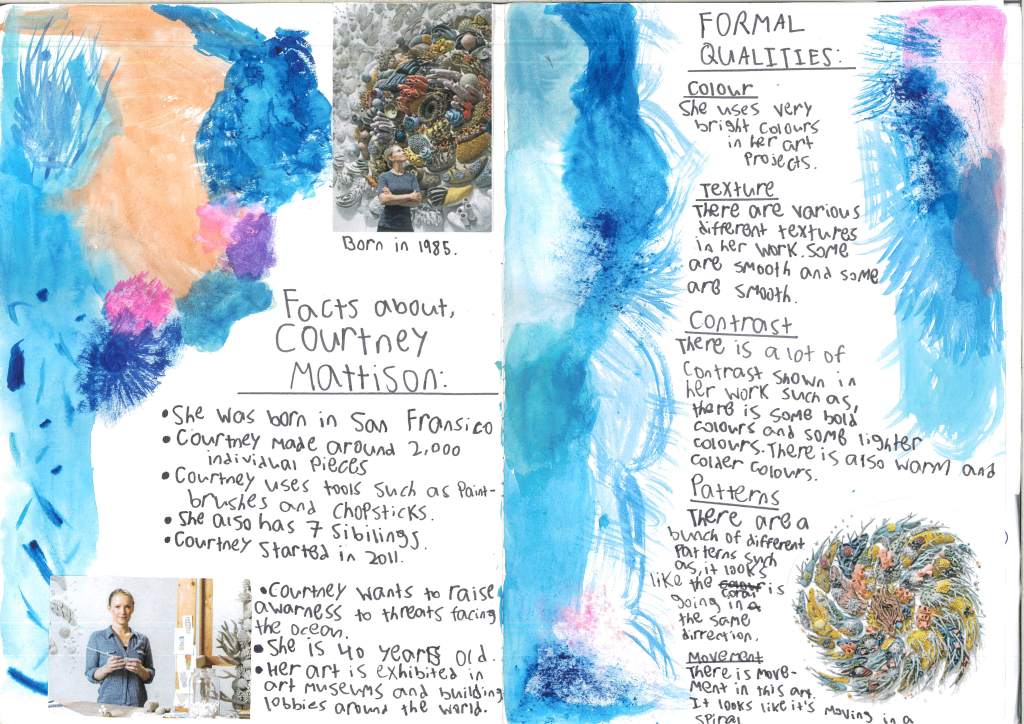
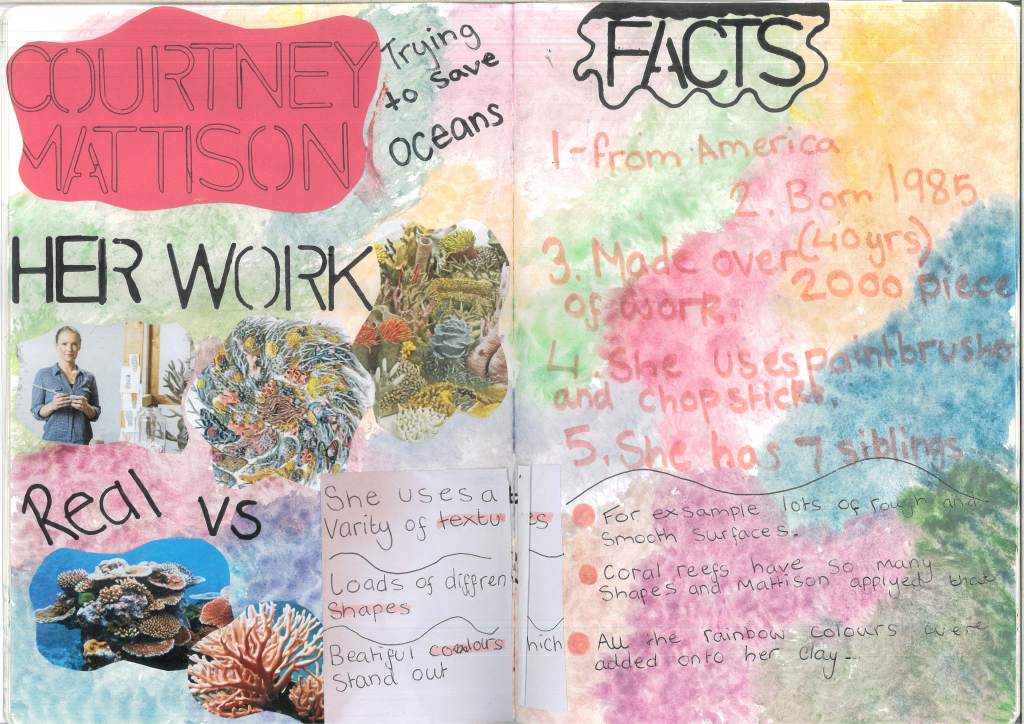
After the colour theory and texture exercises, students will create a page spread about the work of Courtney Mattison. In a class discussion we go through the formal qualities and how different artists use them to create their work. I start them off with paintings as this is something they’ve practiced before, then we look at sculptures.
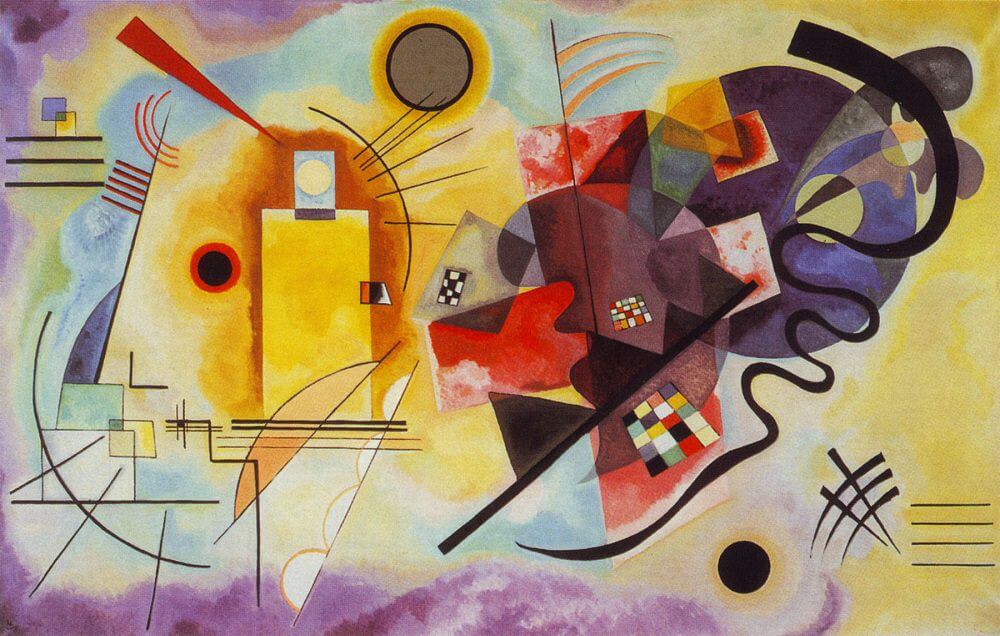
(via Kandinsky.org)
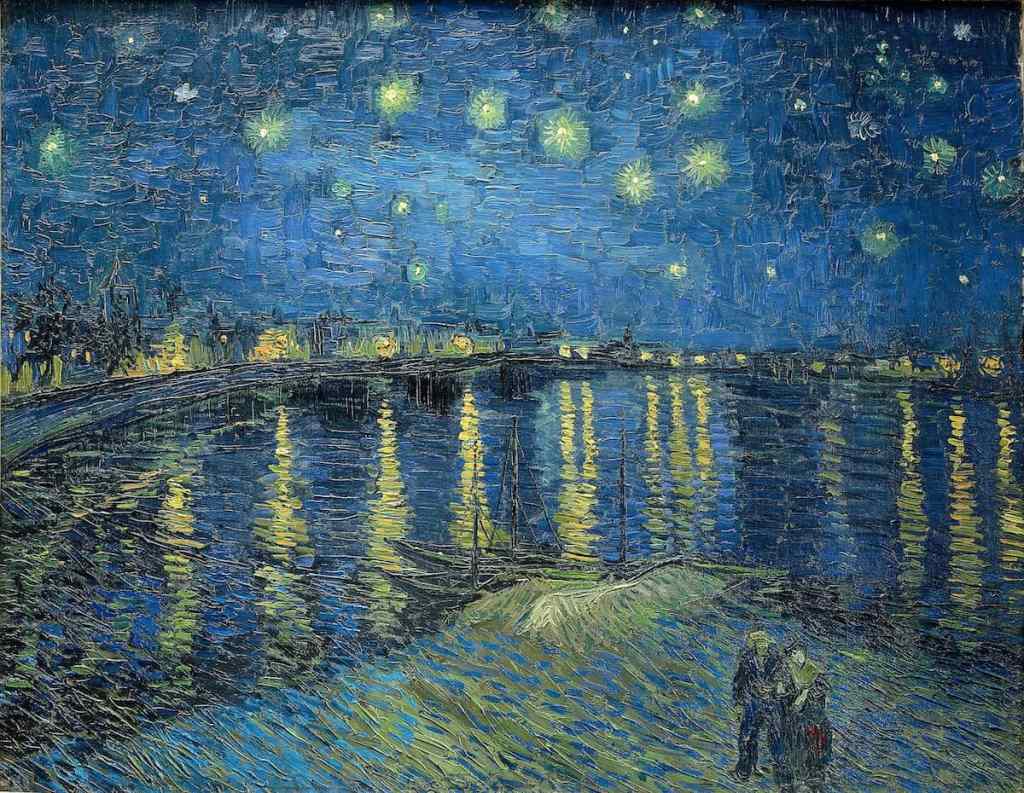
(via van Gogh.org)
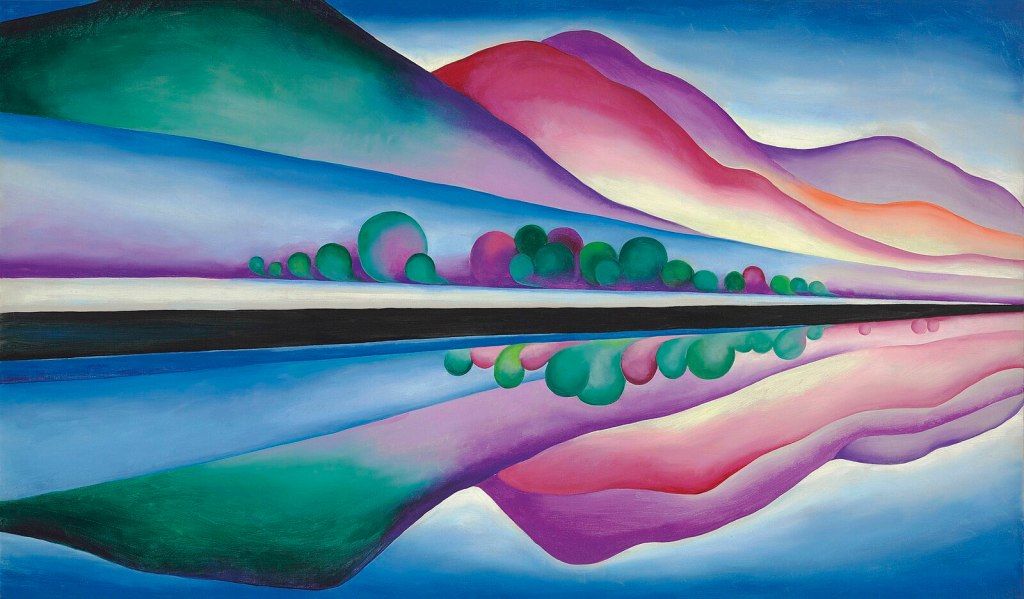
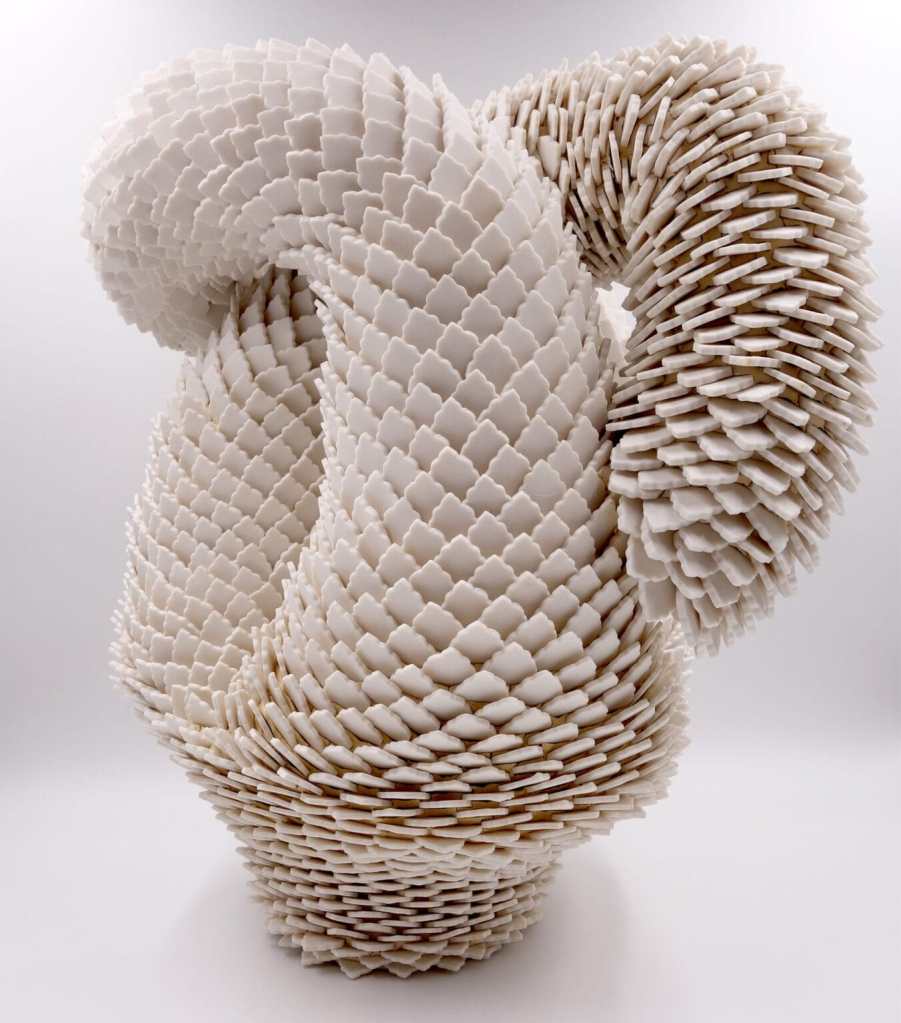
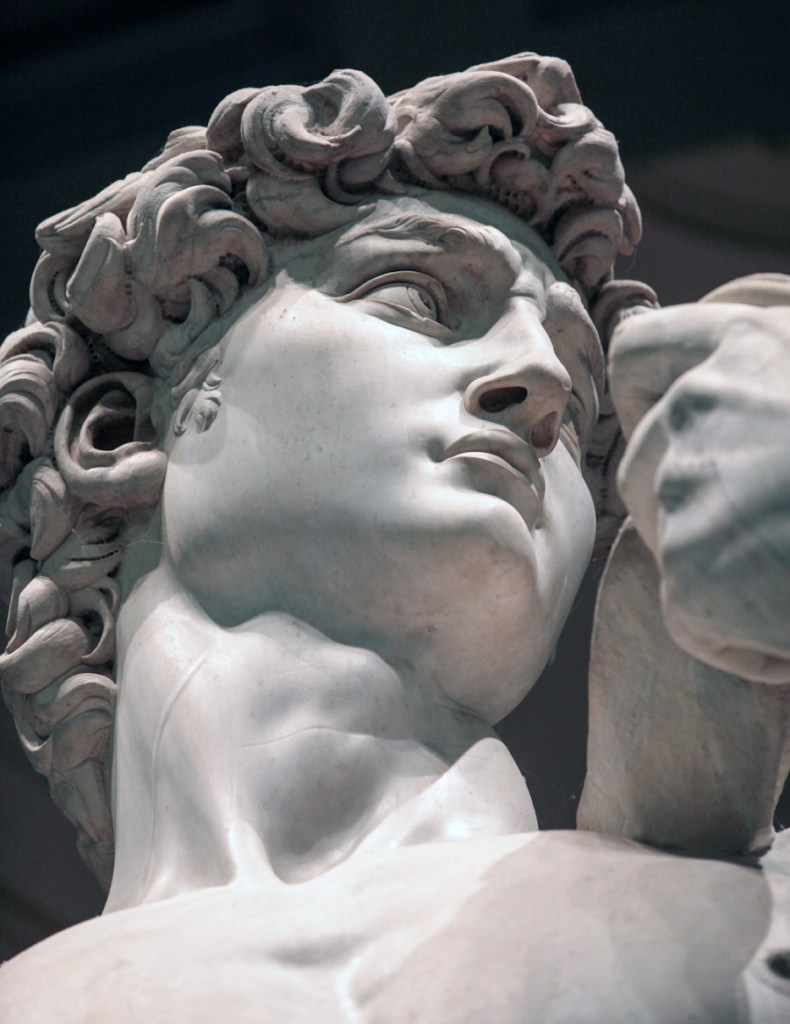
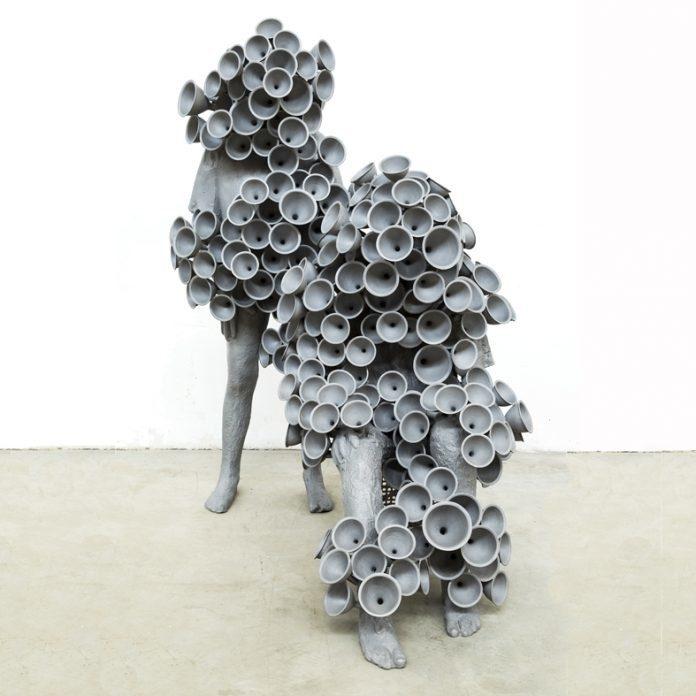
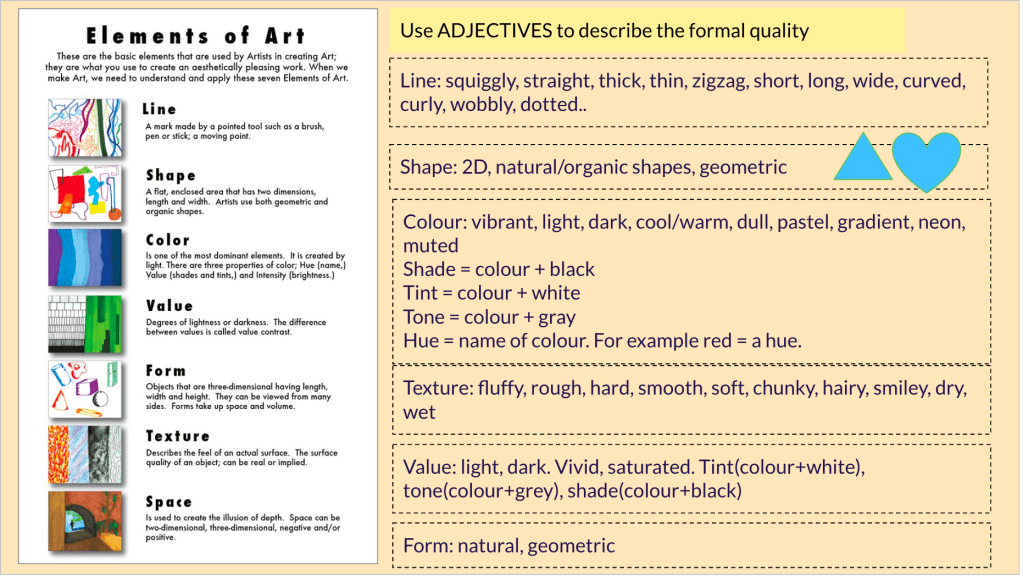
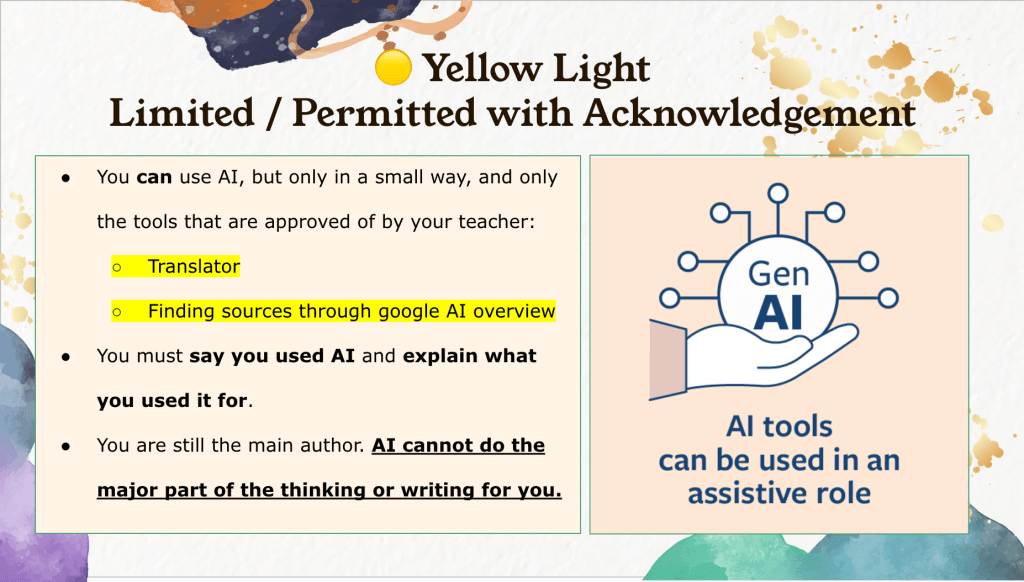
Together, we come up with different adjectives to describe the different formal qualities, discuss the assessment criteria, the task and how they may use AI.
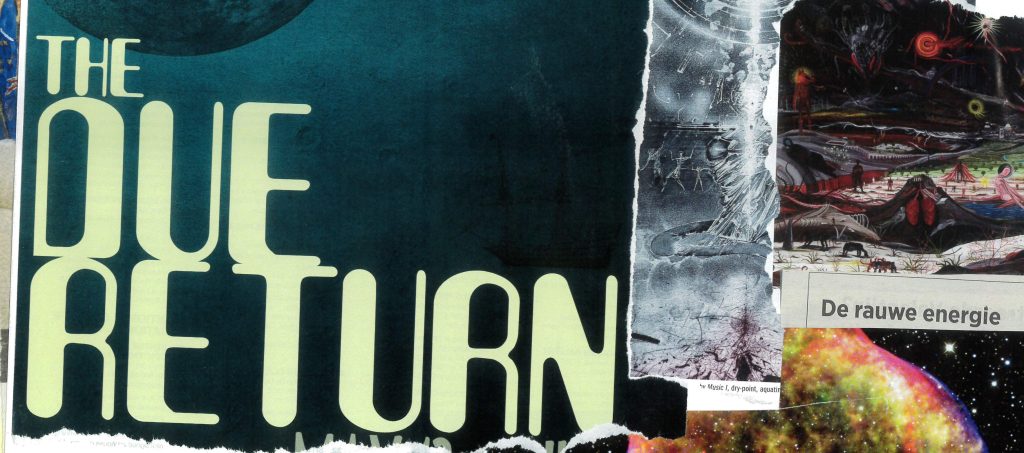
Students start with creating their backgrounds. I have a lot of handouts with coral reef images, from diagrams, photographs, to colouring pages to get students started. I also have some fun sticky notes and letter templates which are quite popular. I gave students the option to type write their text, but so far all of them preferred to write their texts by hand.
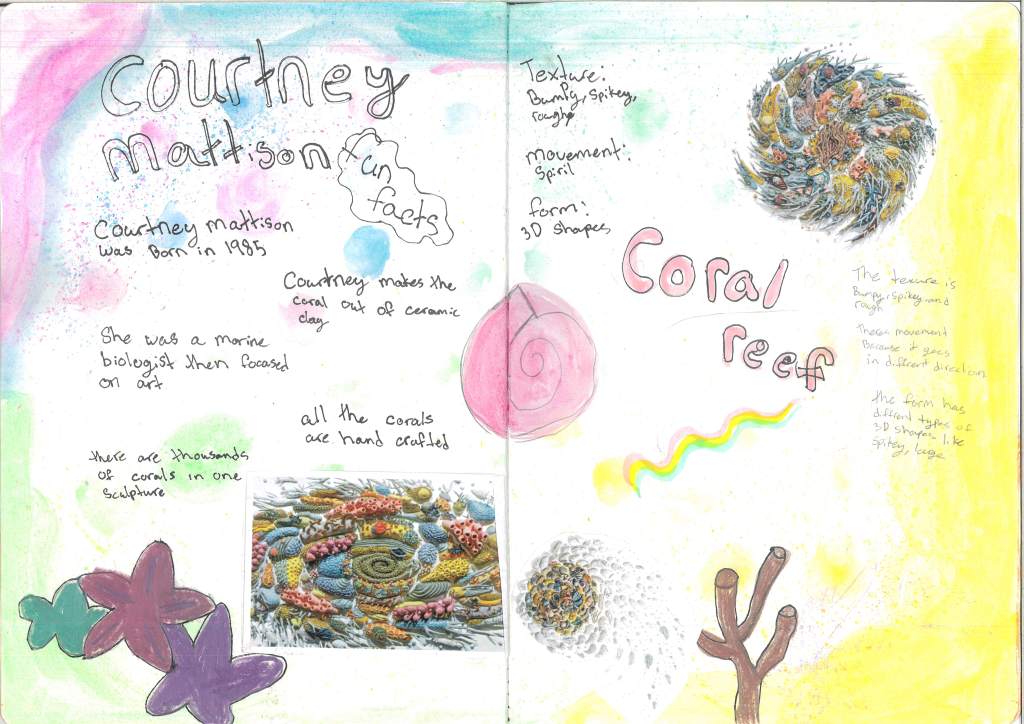
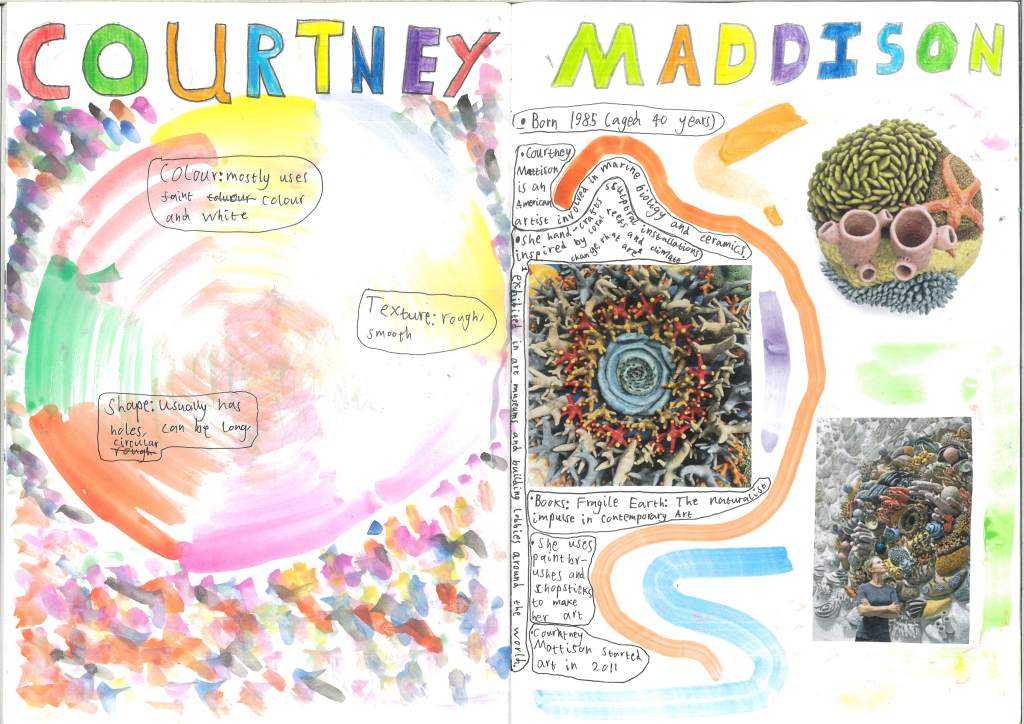
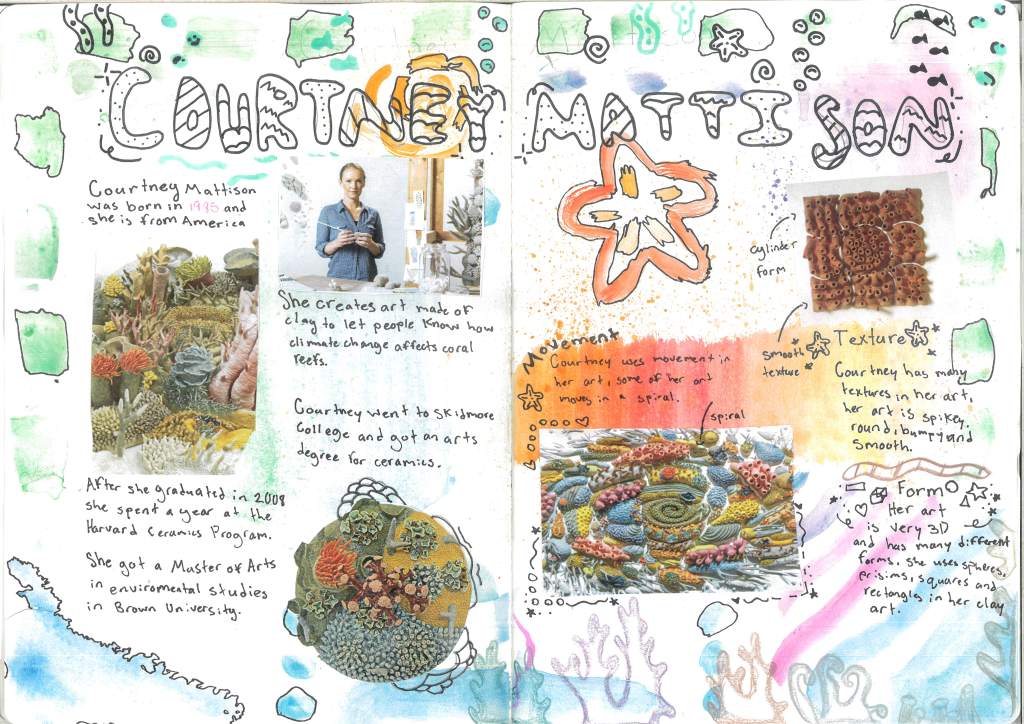
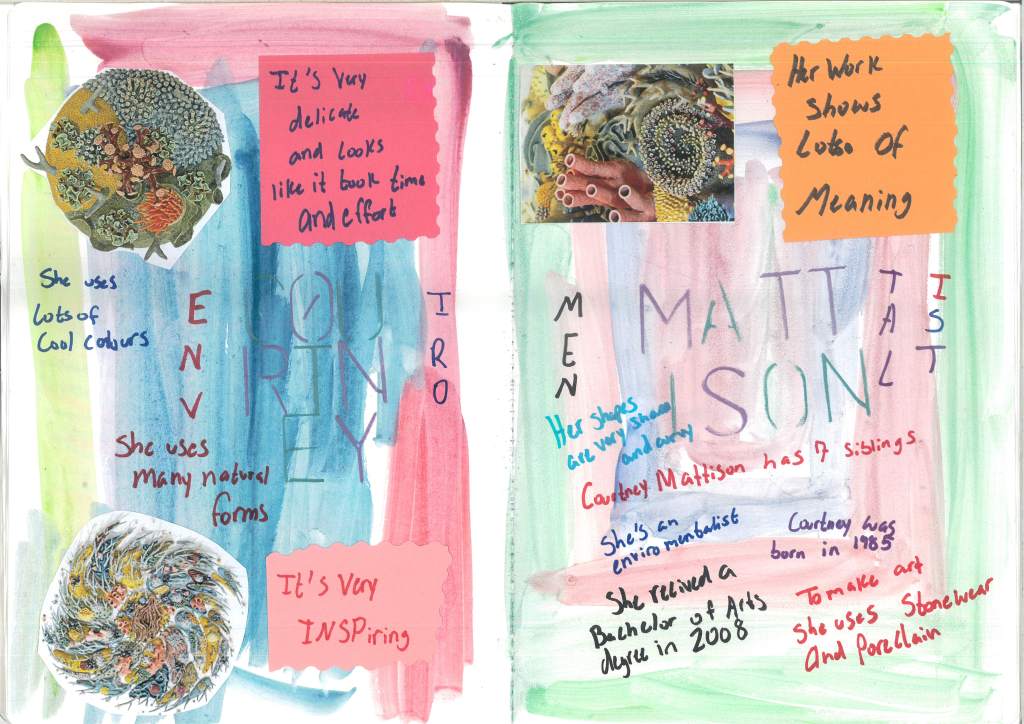
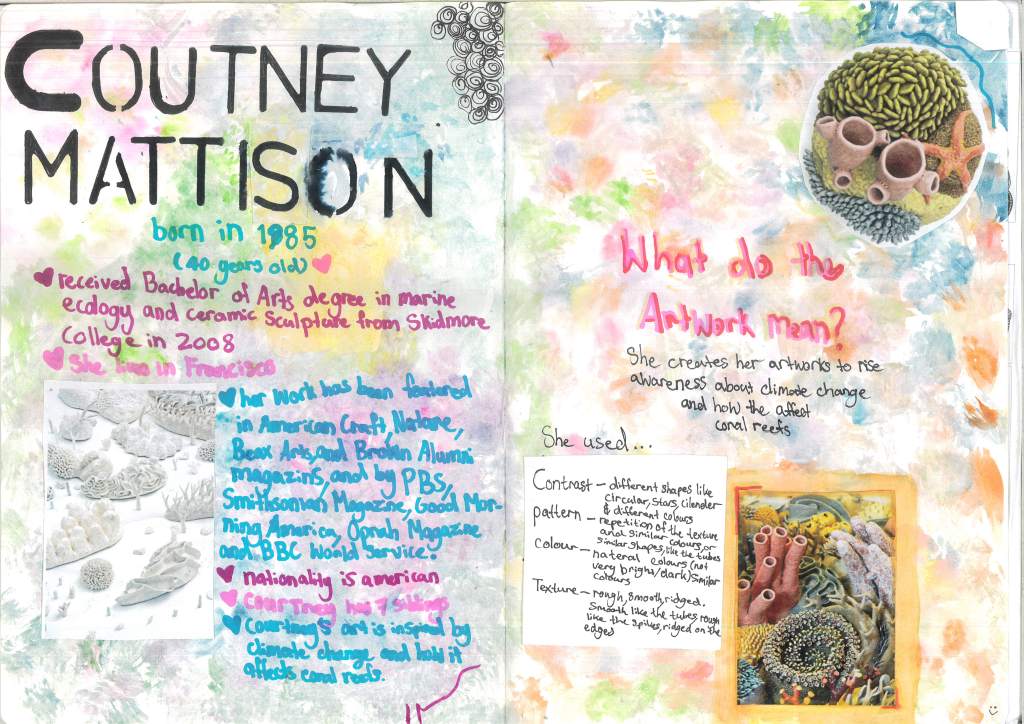
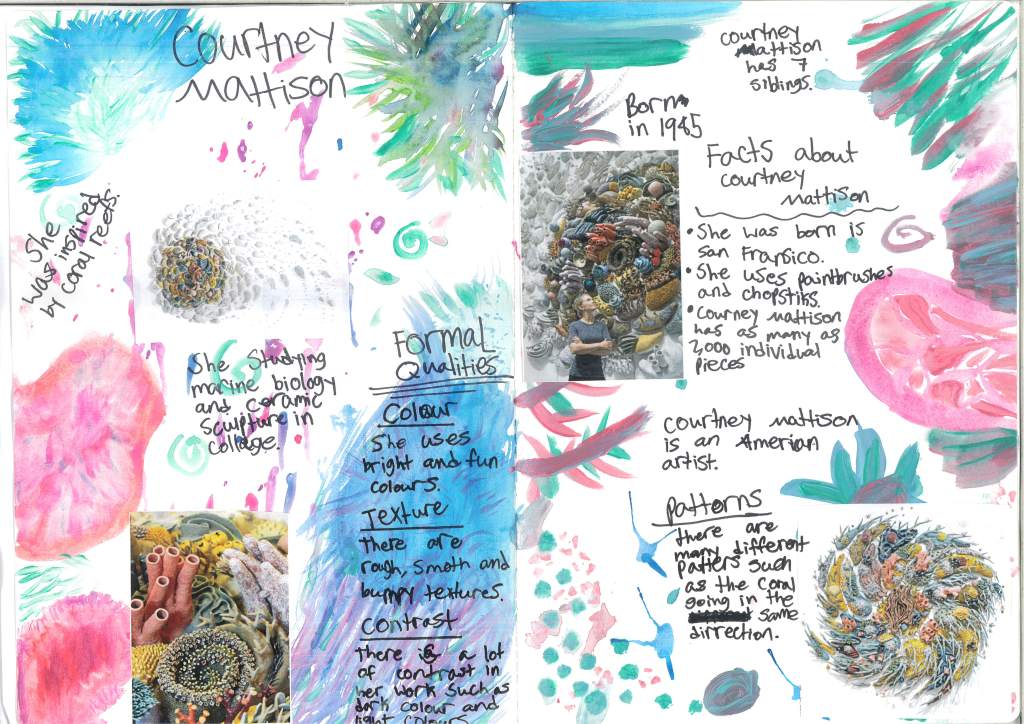
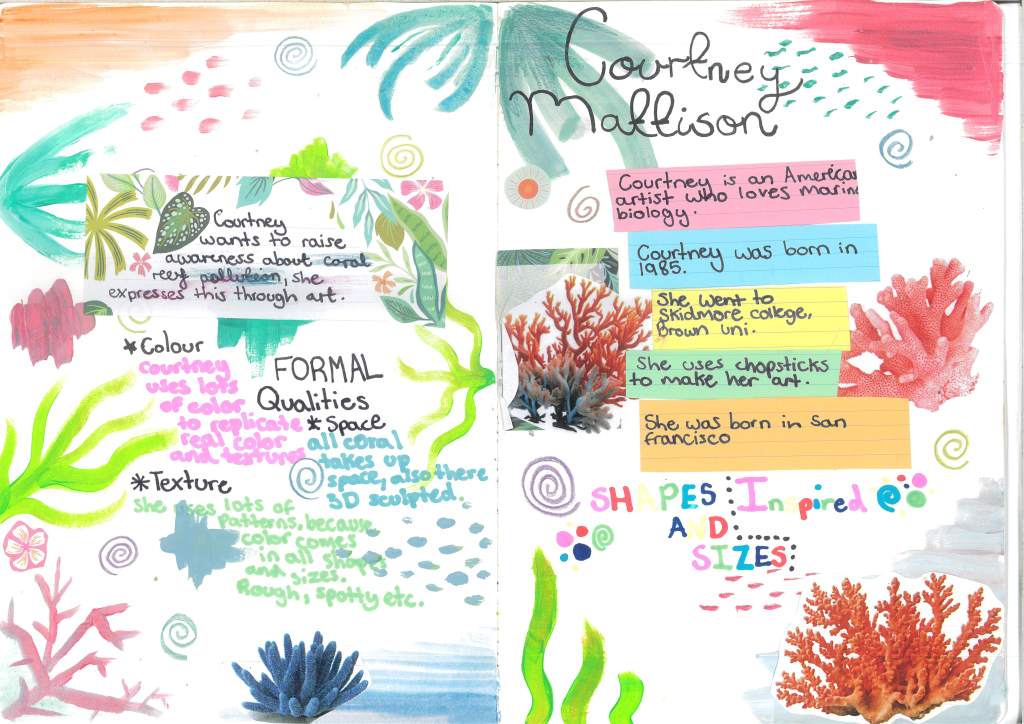
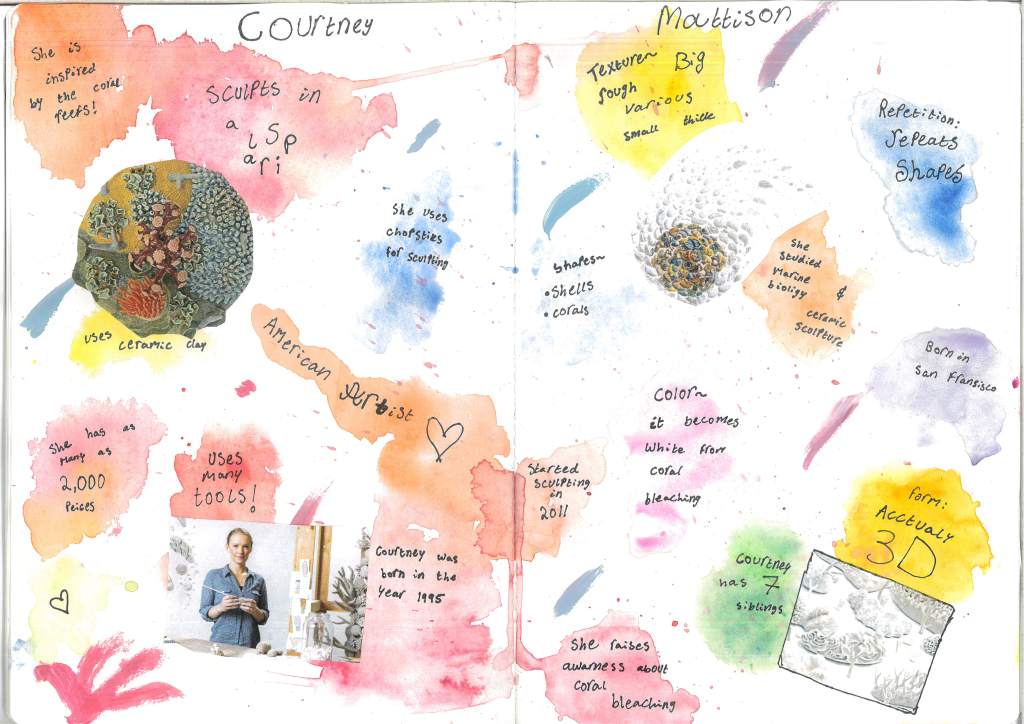

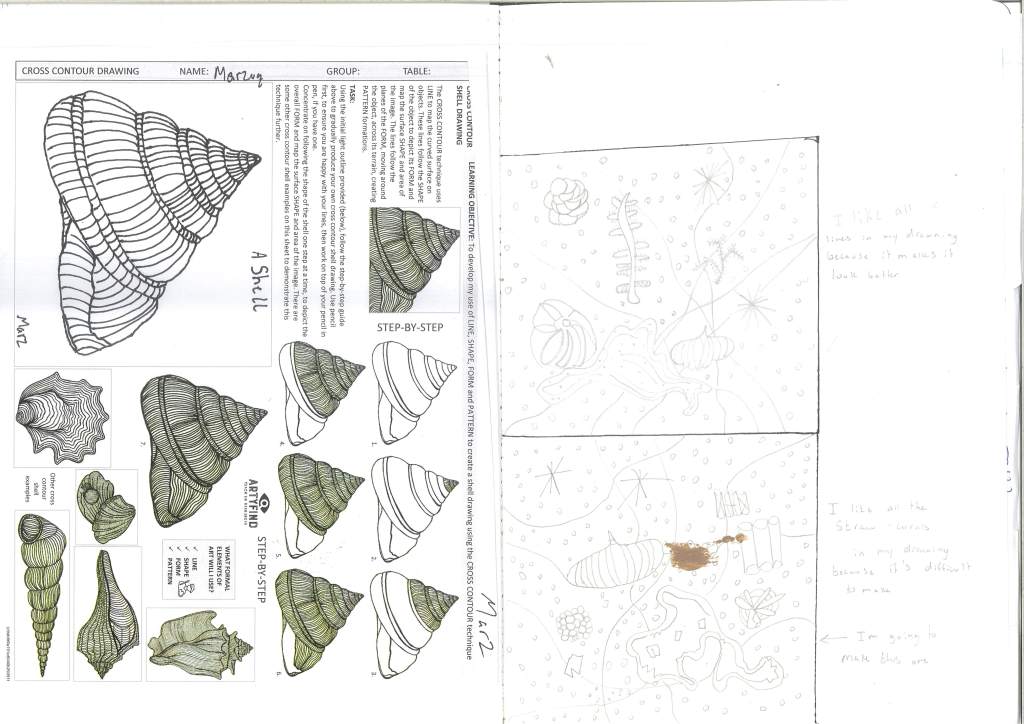
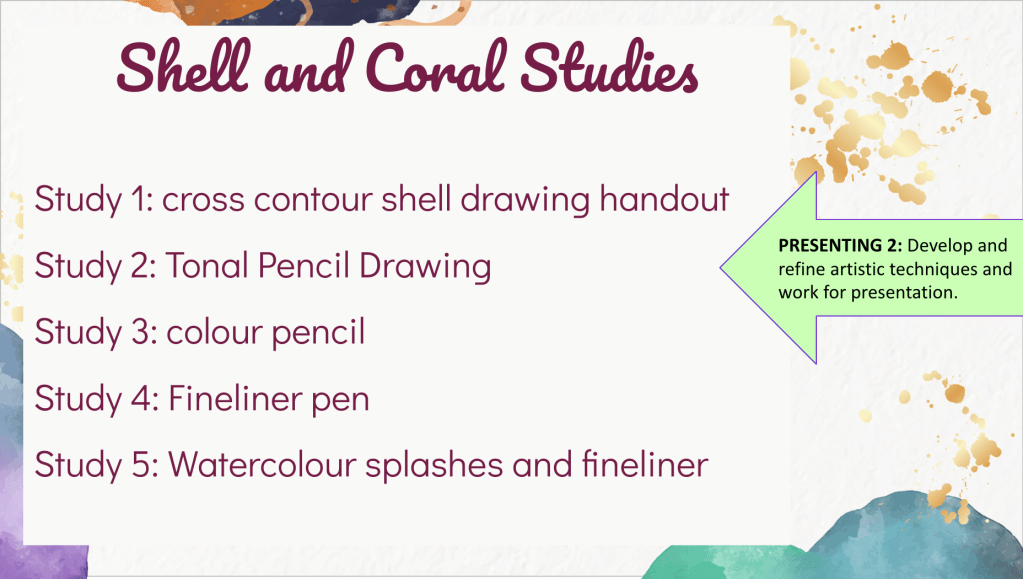
To bridge the time between early finishers and those needing a little bit more time, I gave students the challenge to make observational drawings of real shells. The enjoyment they had from just picking out the perfect shell made this exercise fun, rather than a chore.
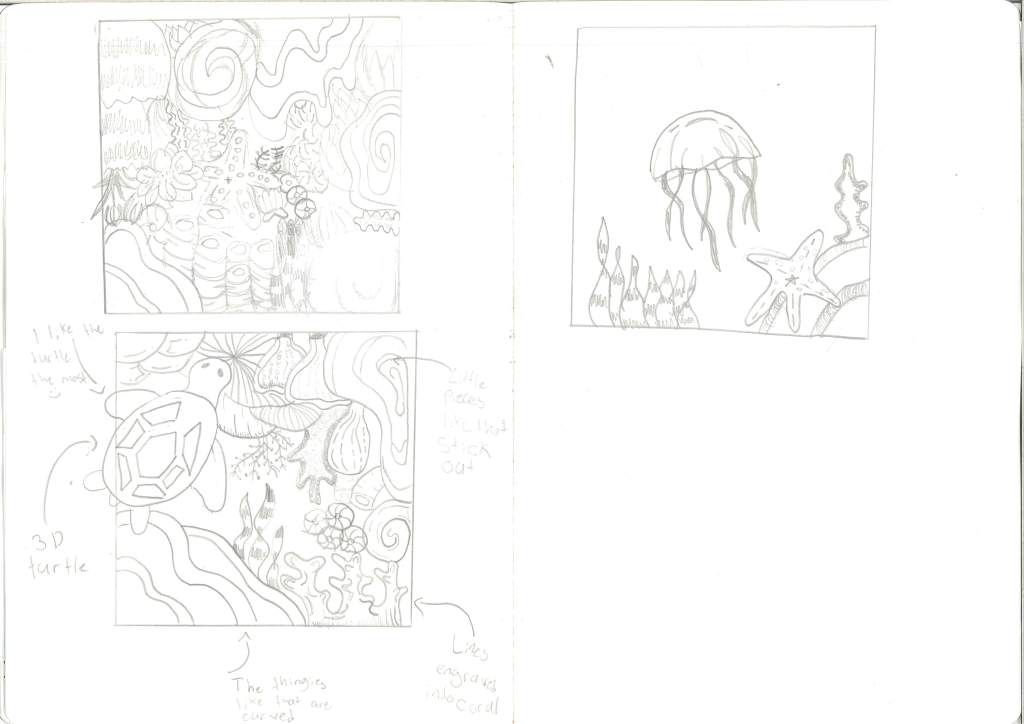
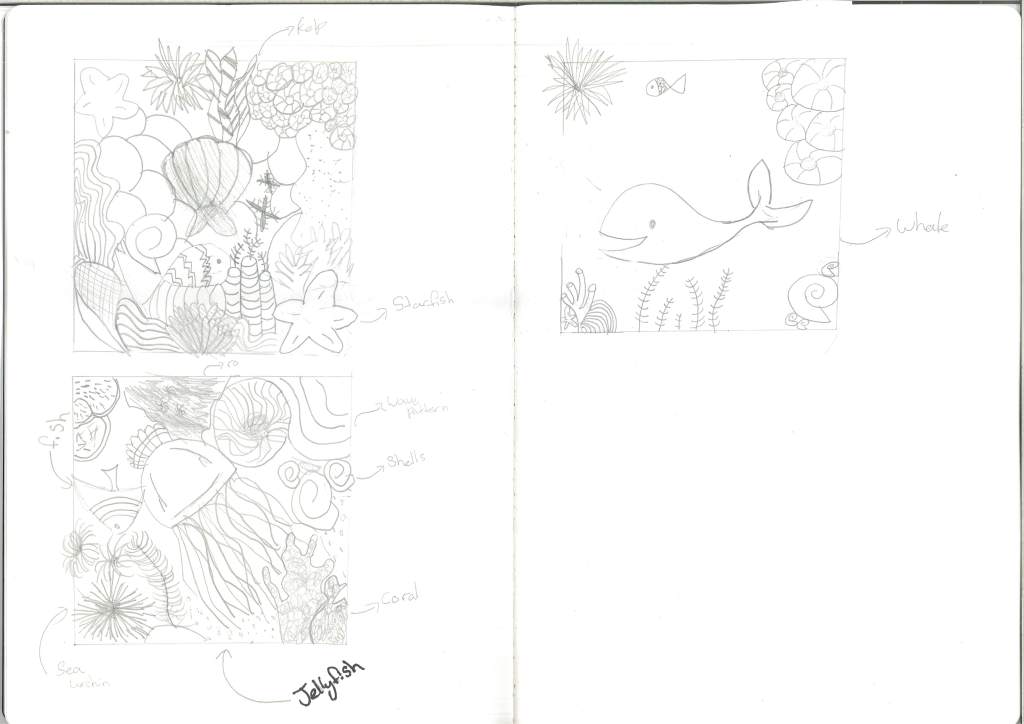
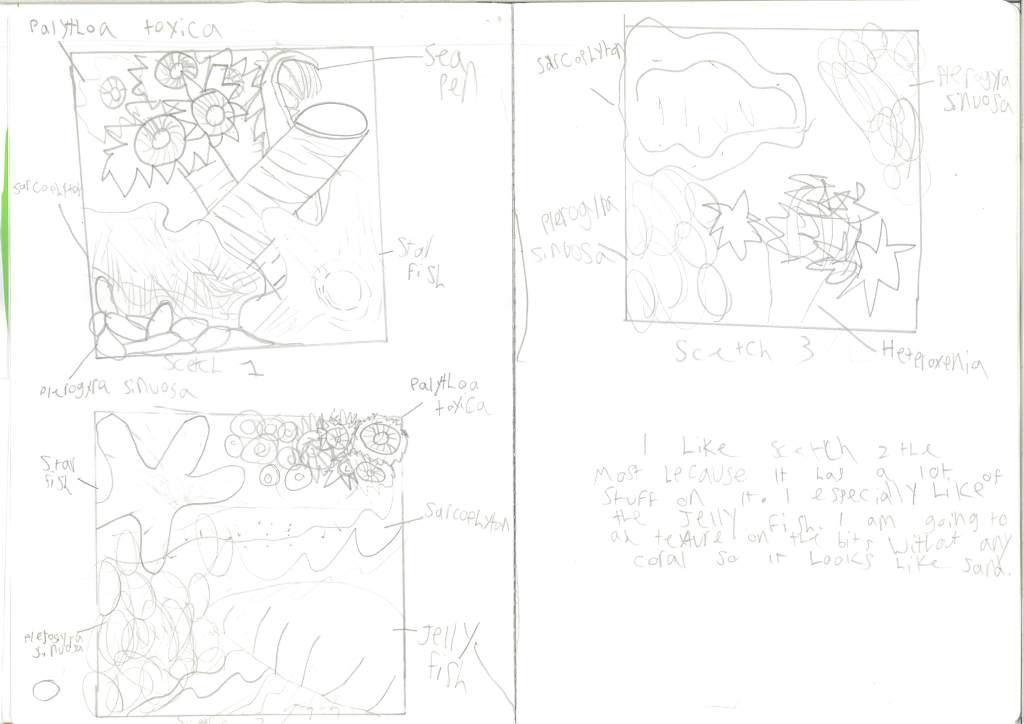
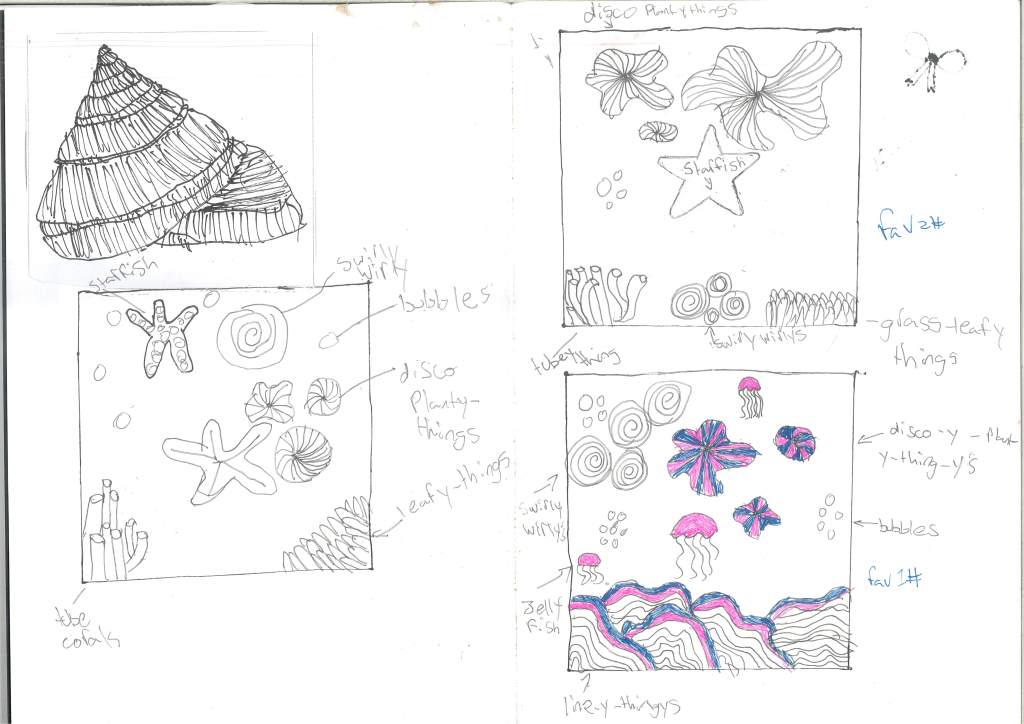
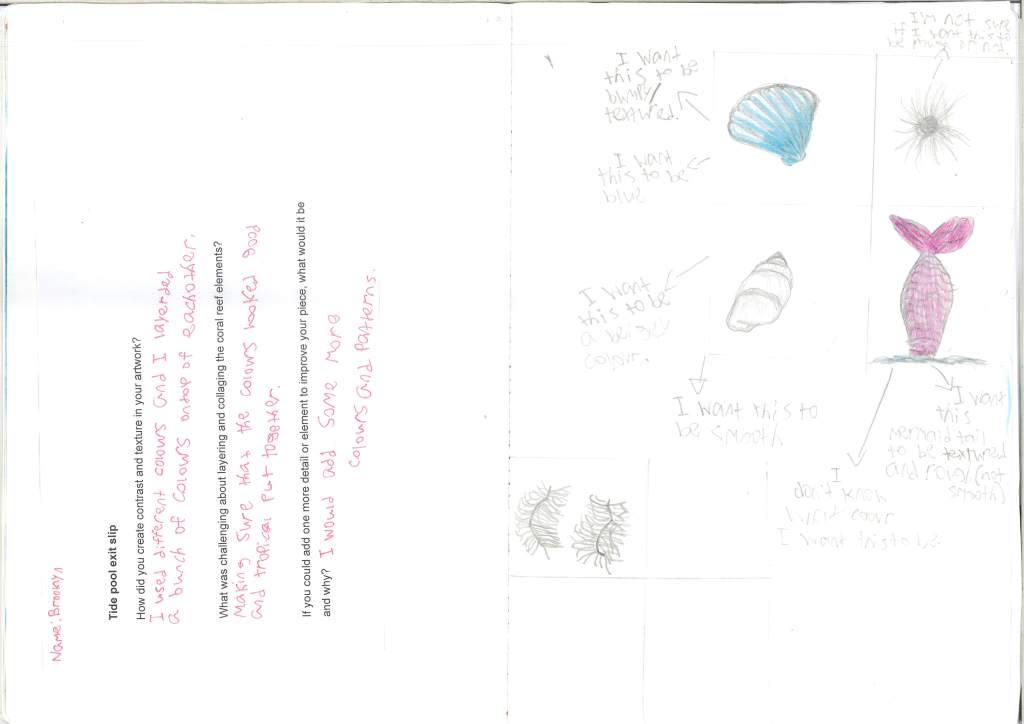
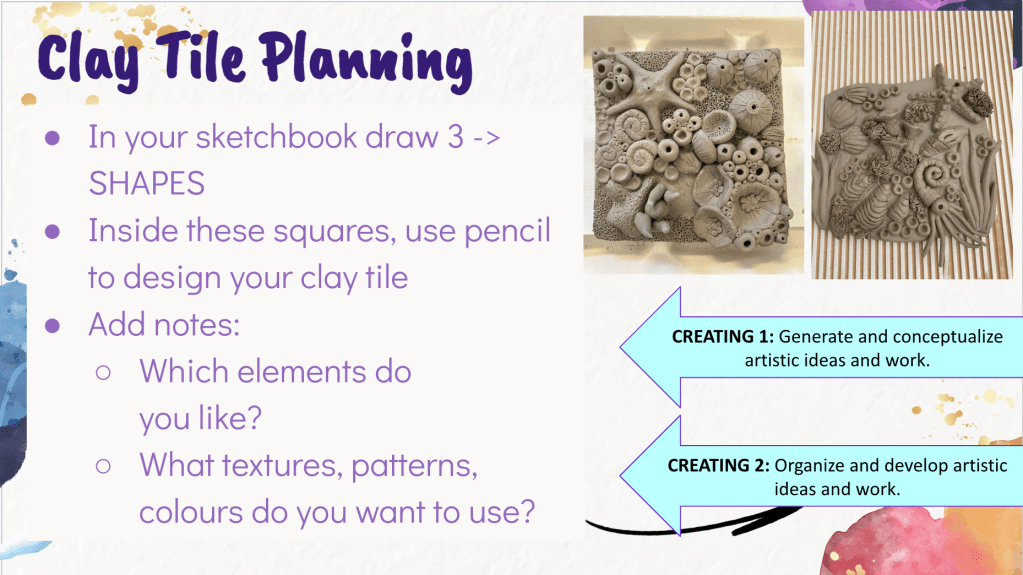
Before starting their ceramic tiles, they made several sketches to plan their work. We discussed how, while working, their plans would likely change but that thinking before starting would still help them in their final piece because it would prevent them from rushing into their work blind. I also gave them handouts with images of different reef formations so they could name the different parts in their plans.
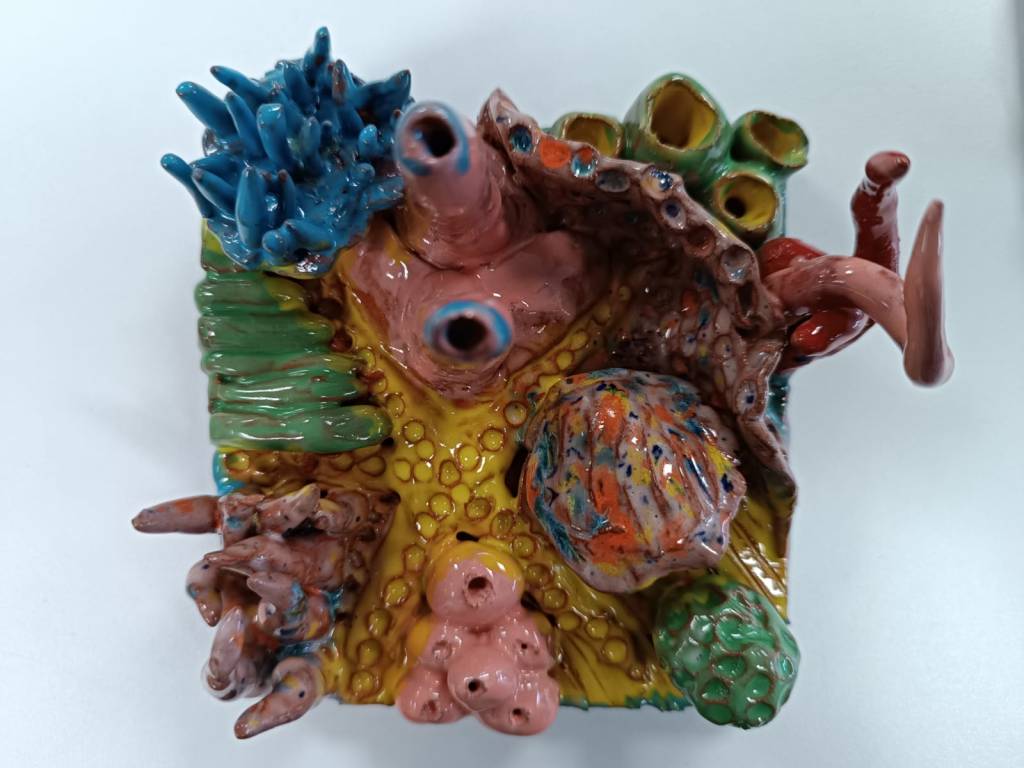
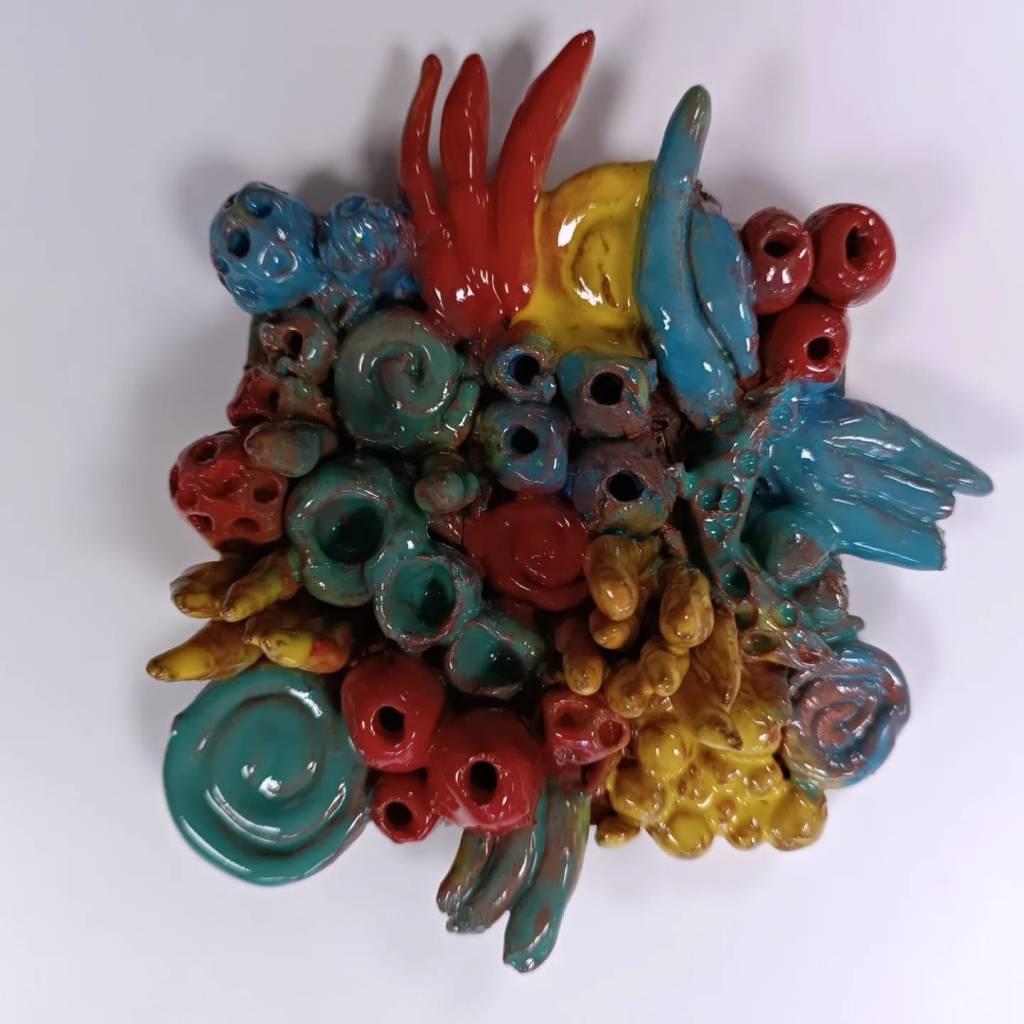
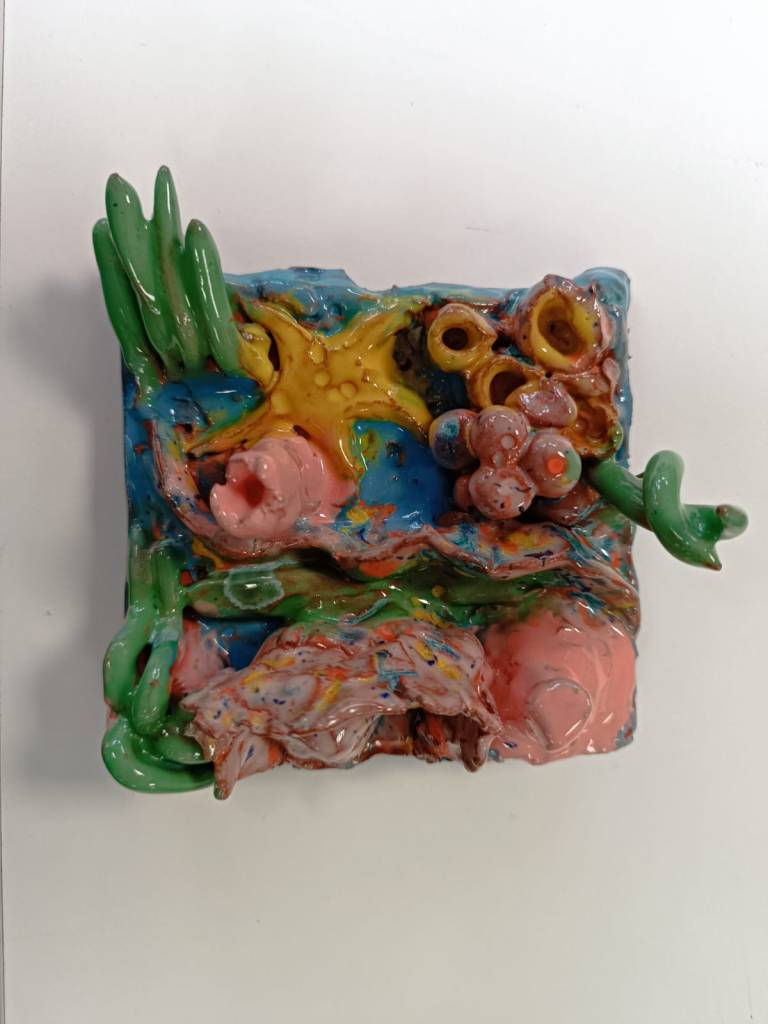
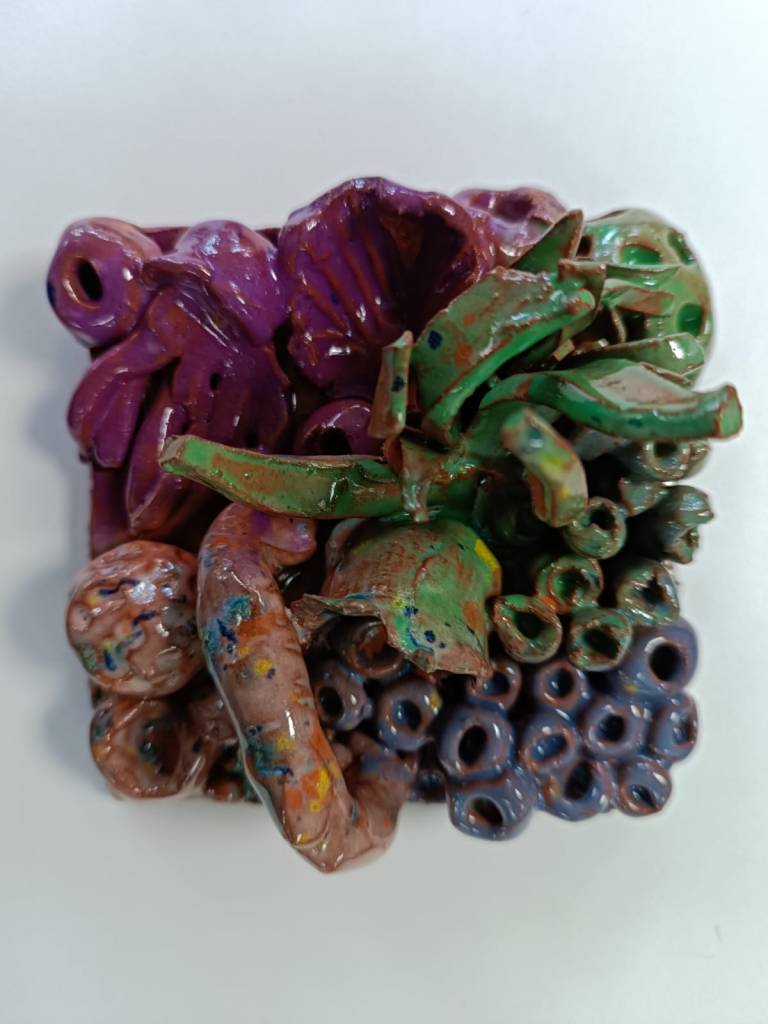
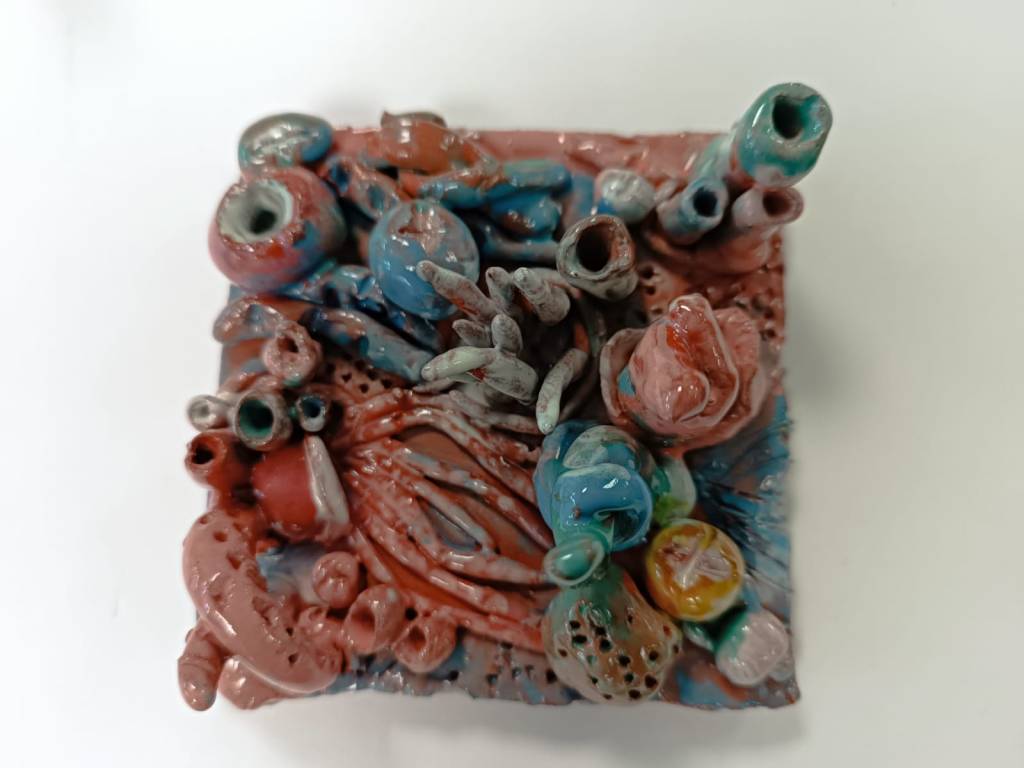
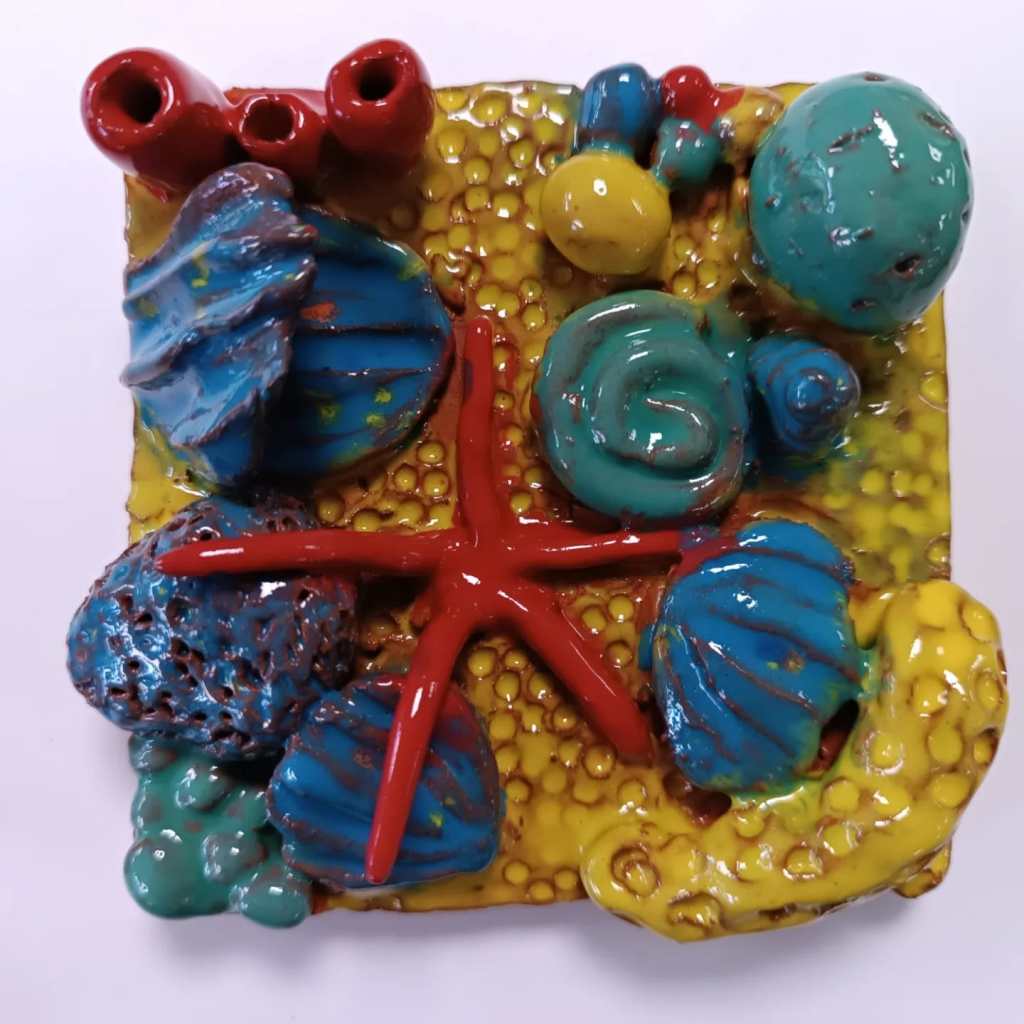
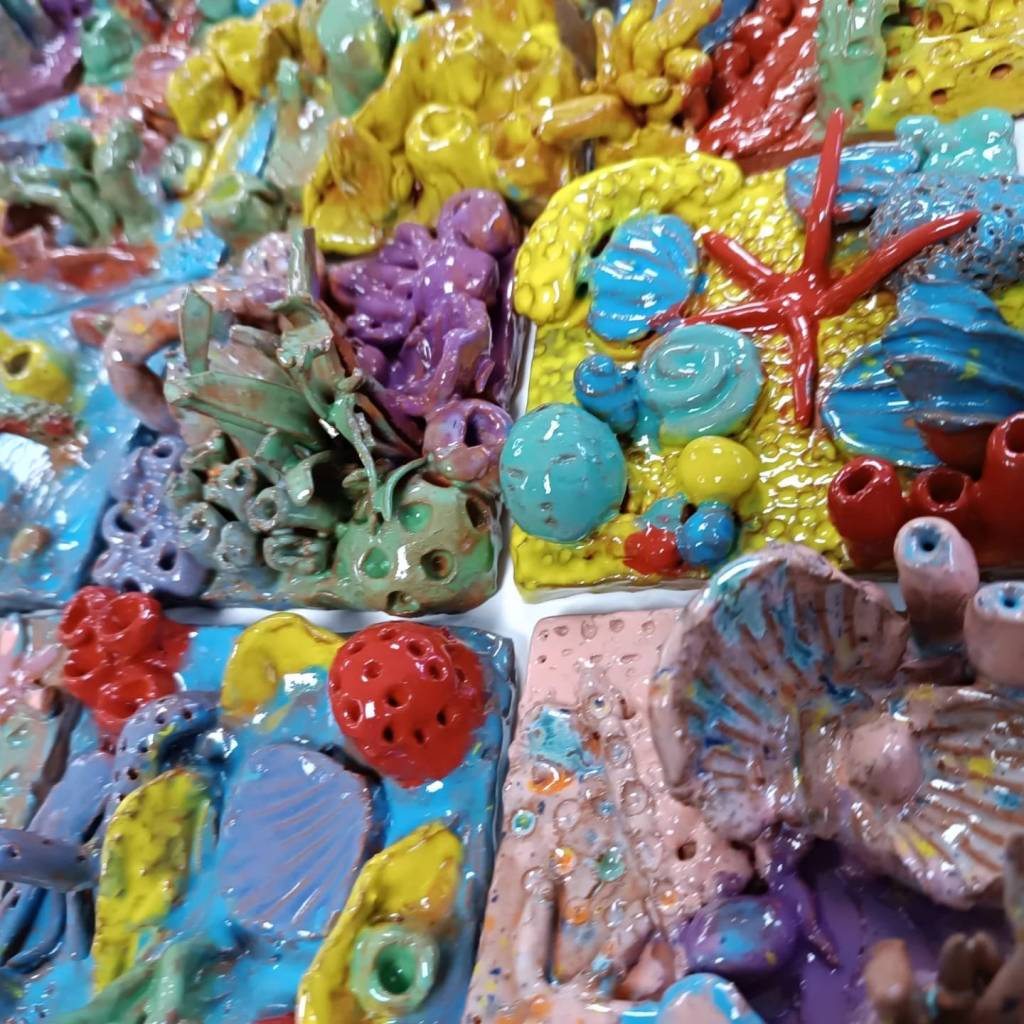
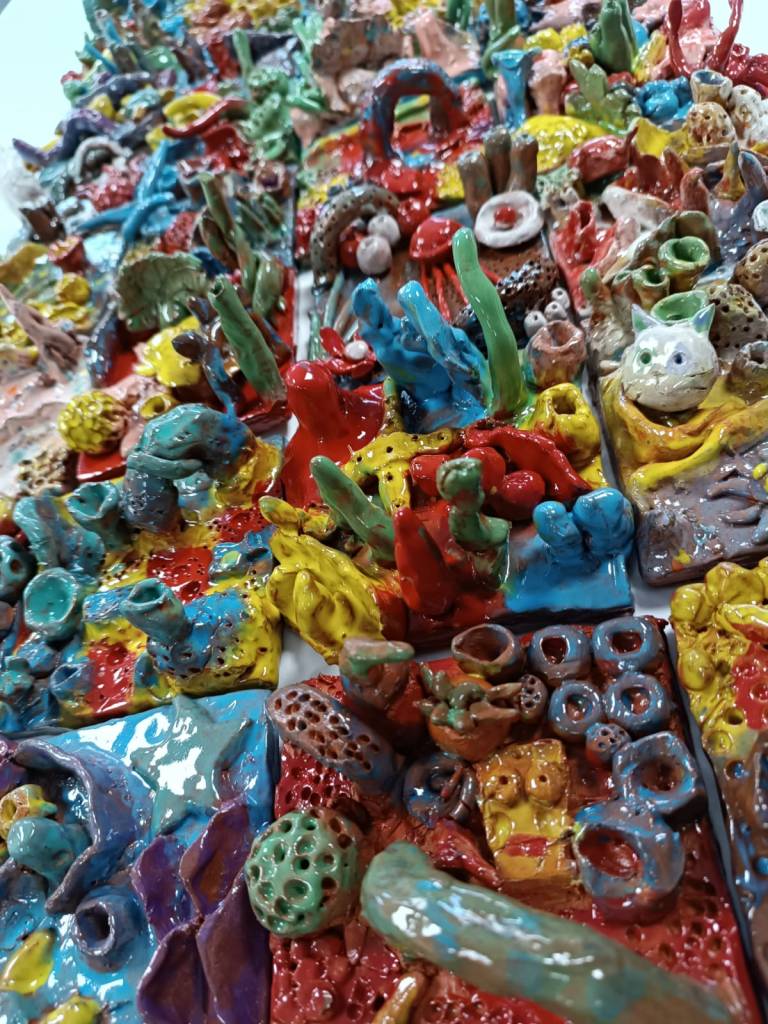
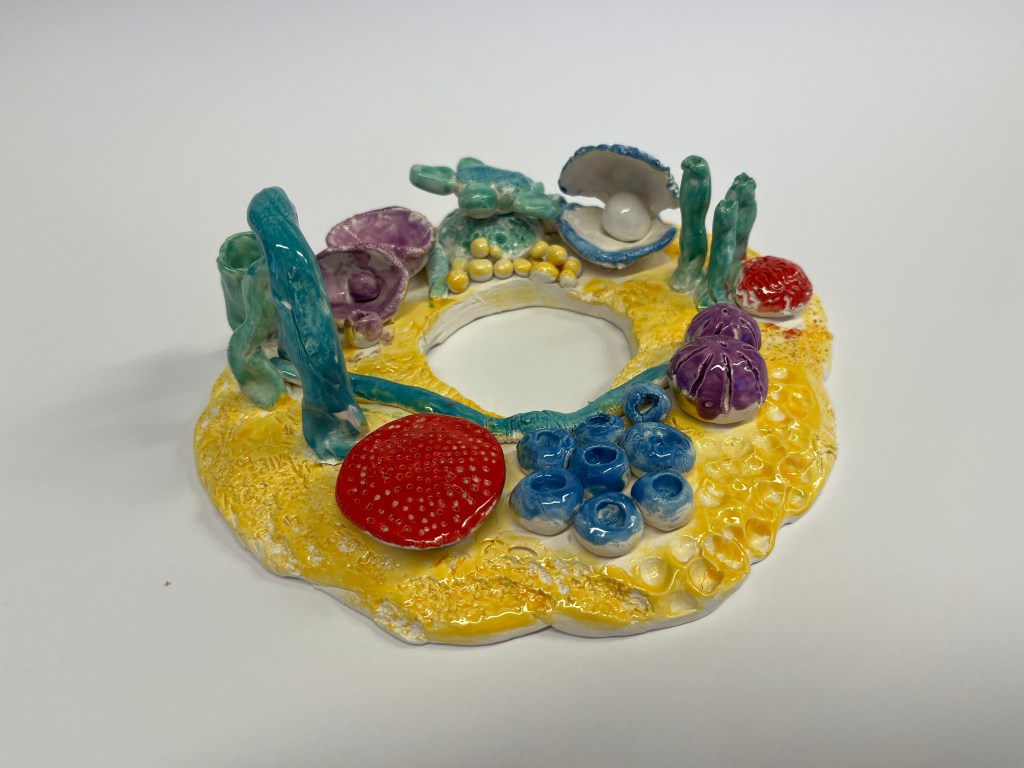
I teach grade 6 for one quarter of the year, so each quarter I see a new class. The first time I did this project, the class decided to create square tiles so they could all slot their tiles together to create a large coral reef. Also, the only clay available at the time was terracotta, which didn’t show off the glaze to its best. The second class decided they wanted to create organic shaped tiles. They also asked if they could make them a bit bigger. Of course you can!
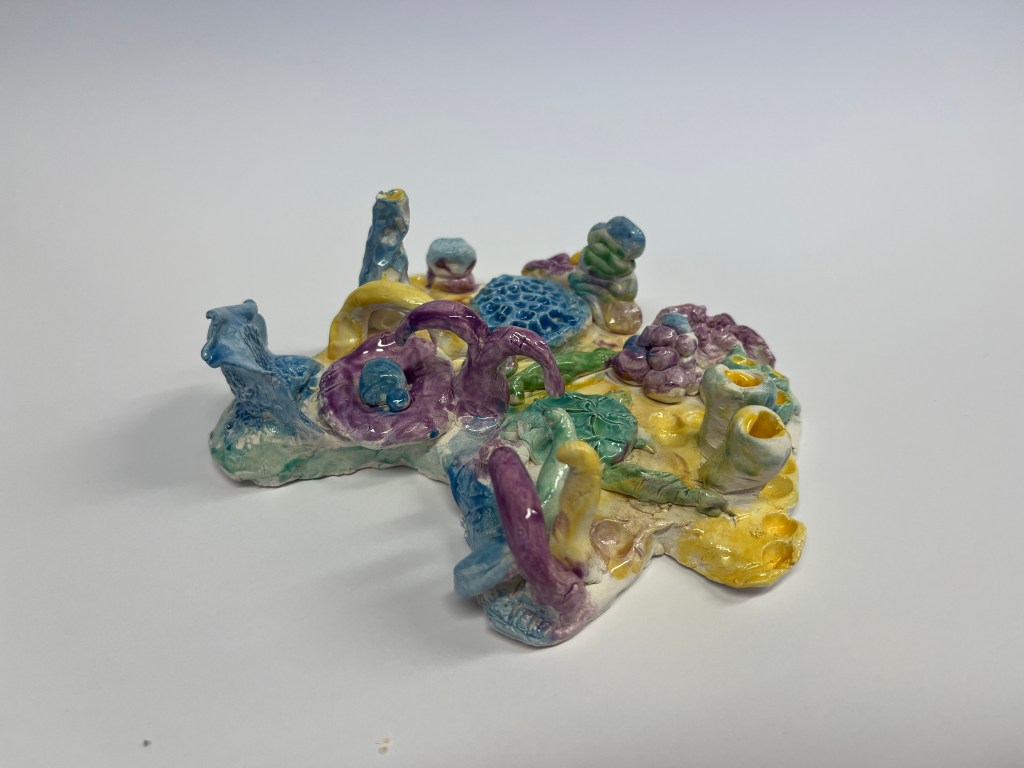
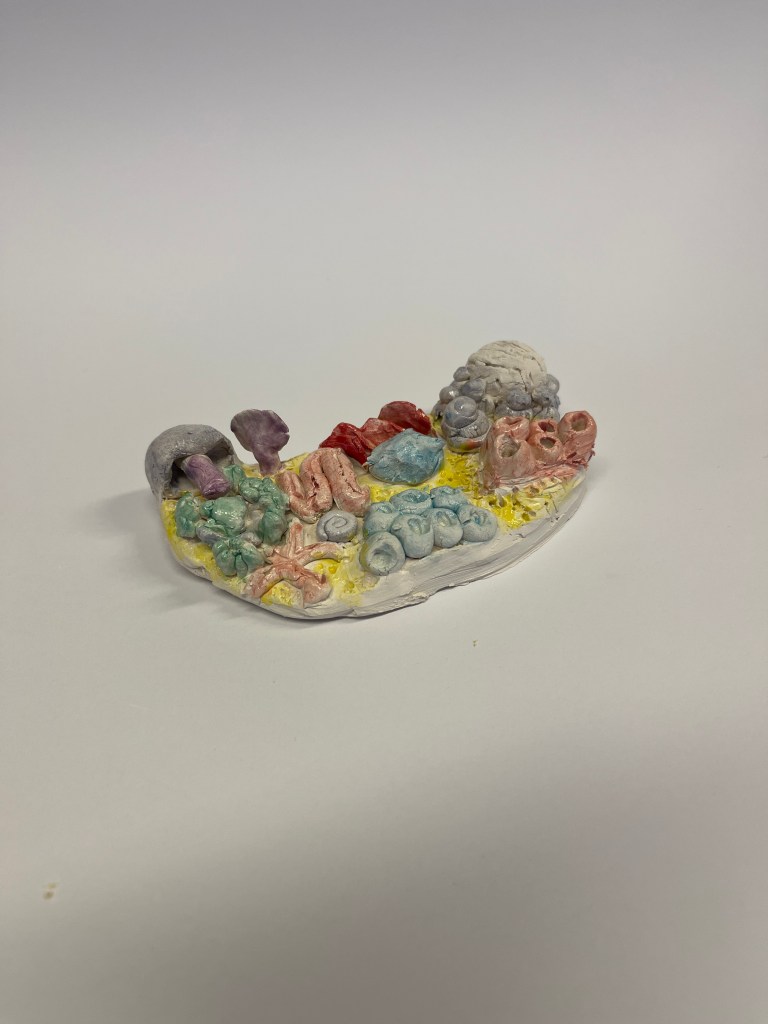
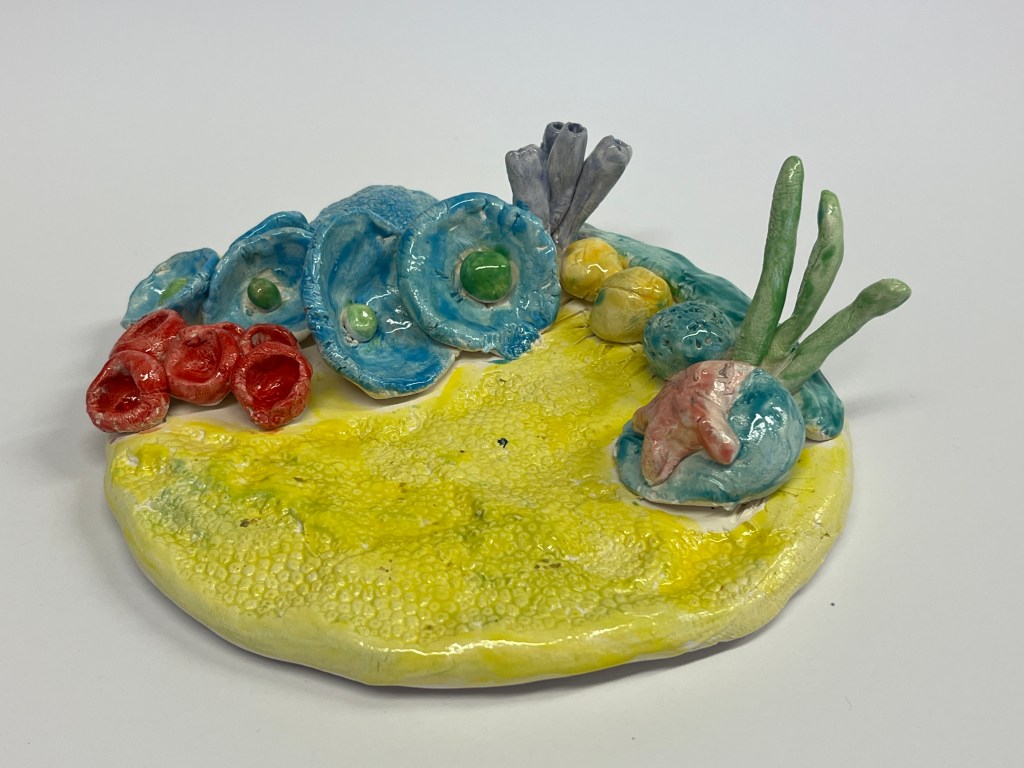
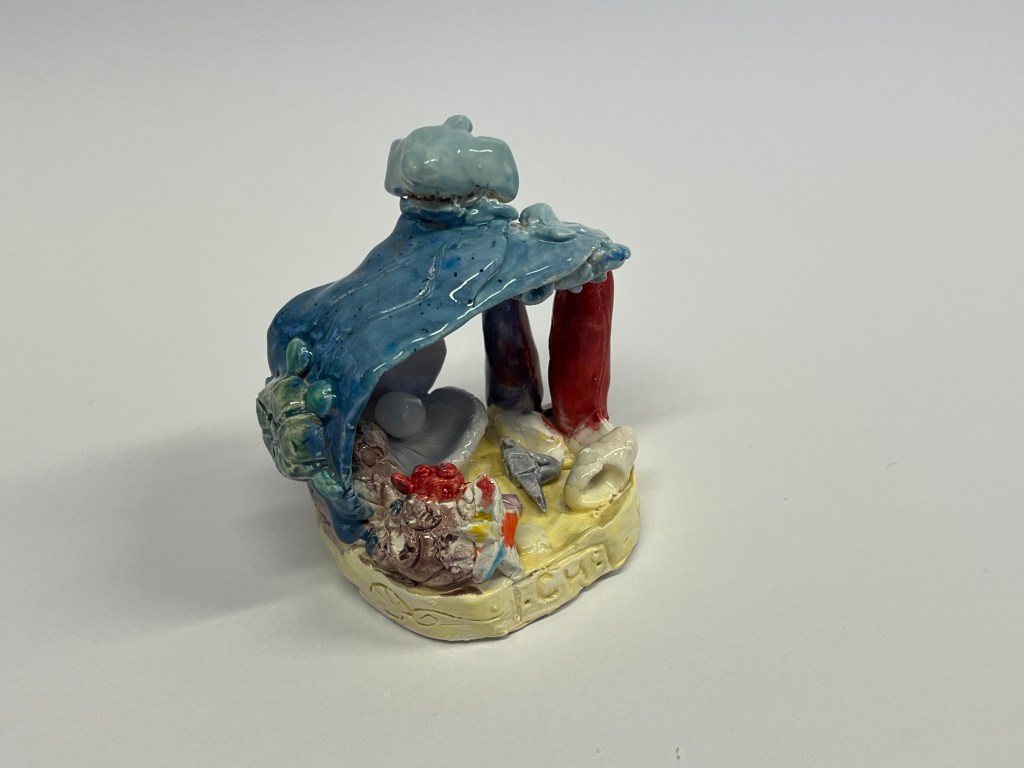
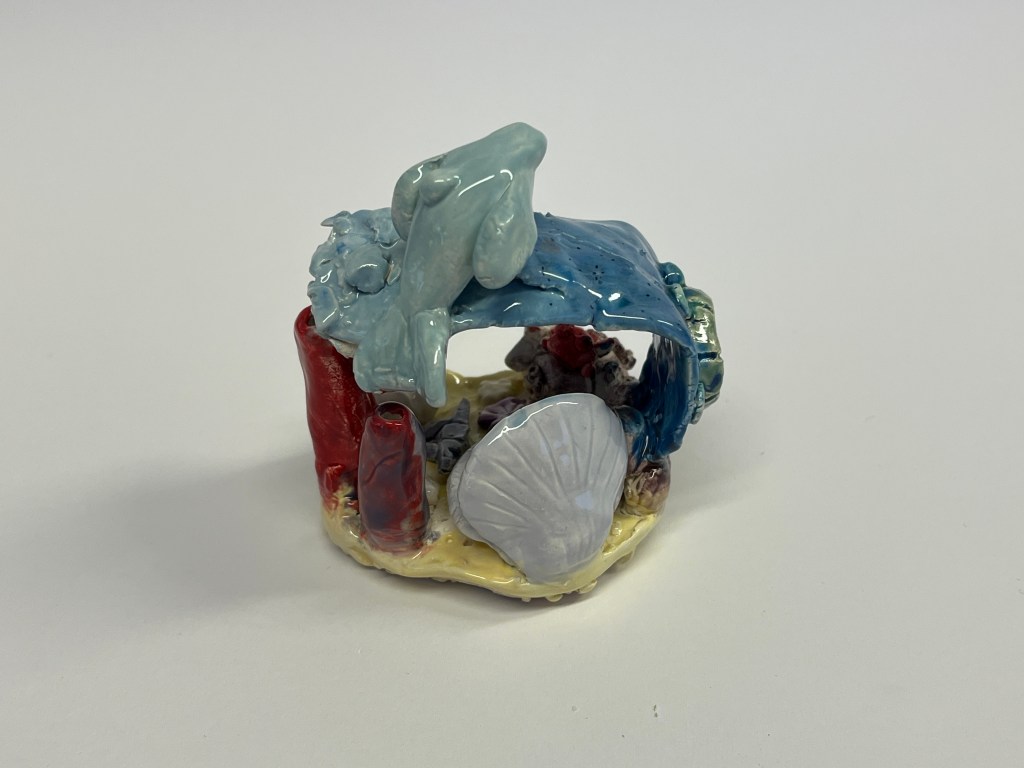
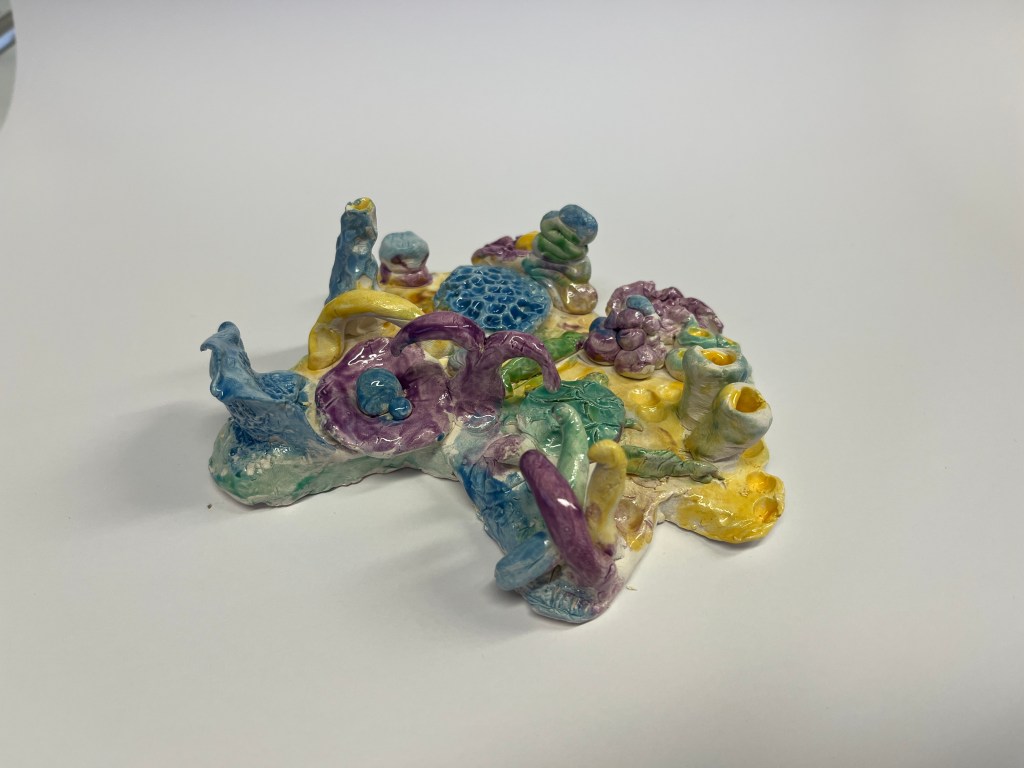
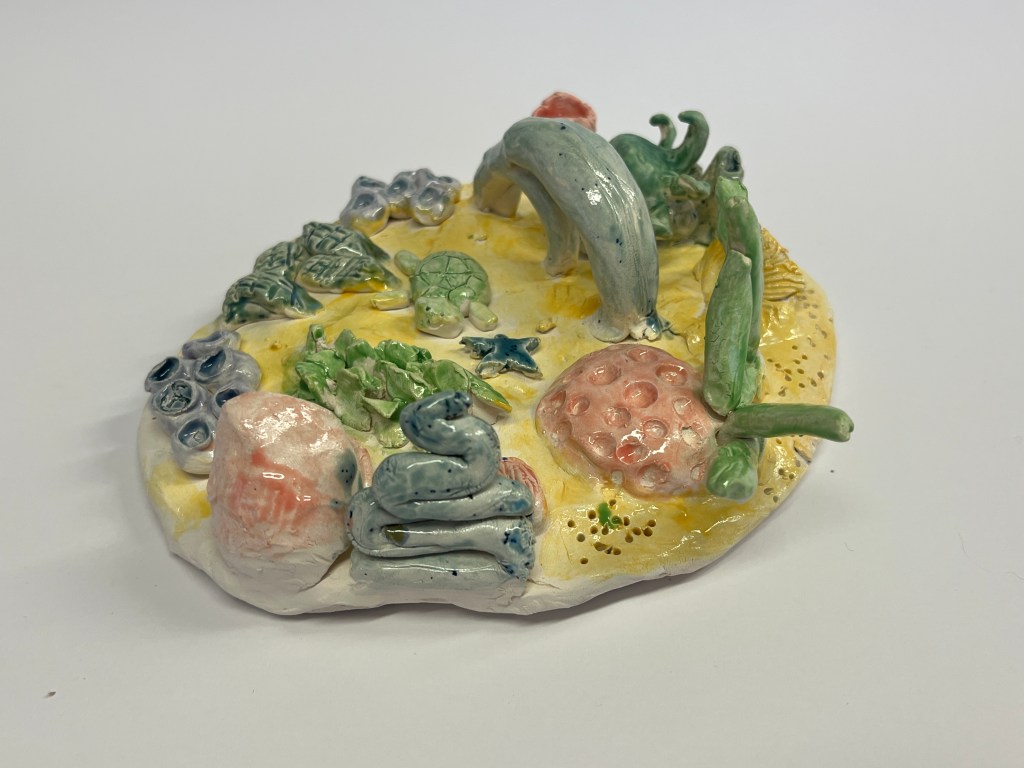
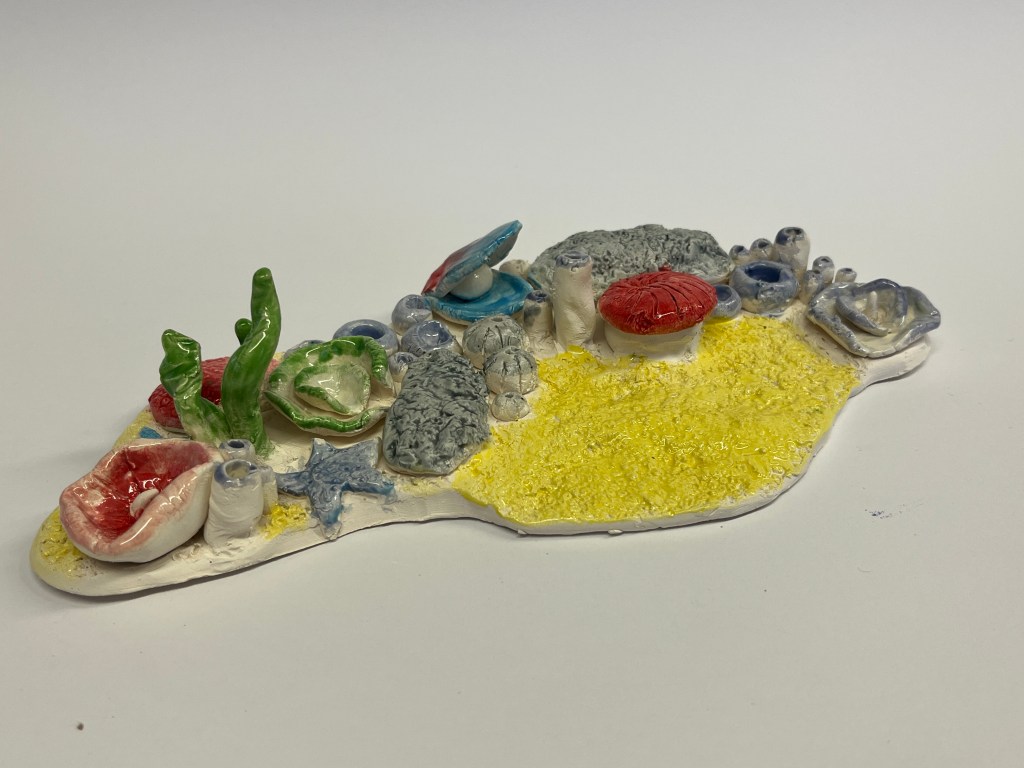
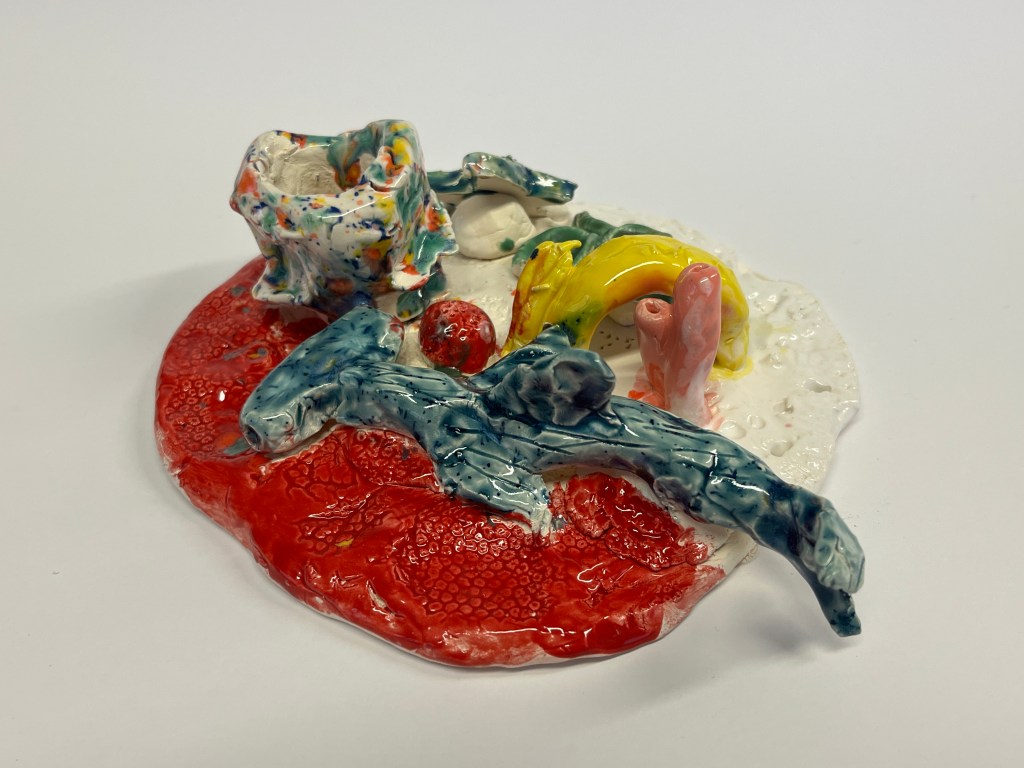
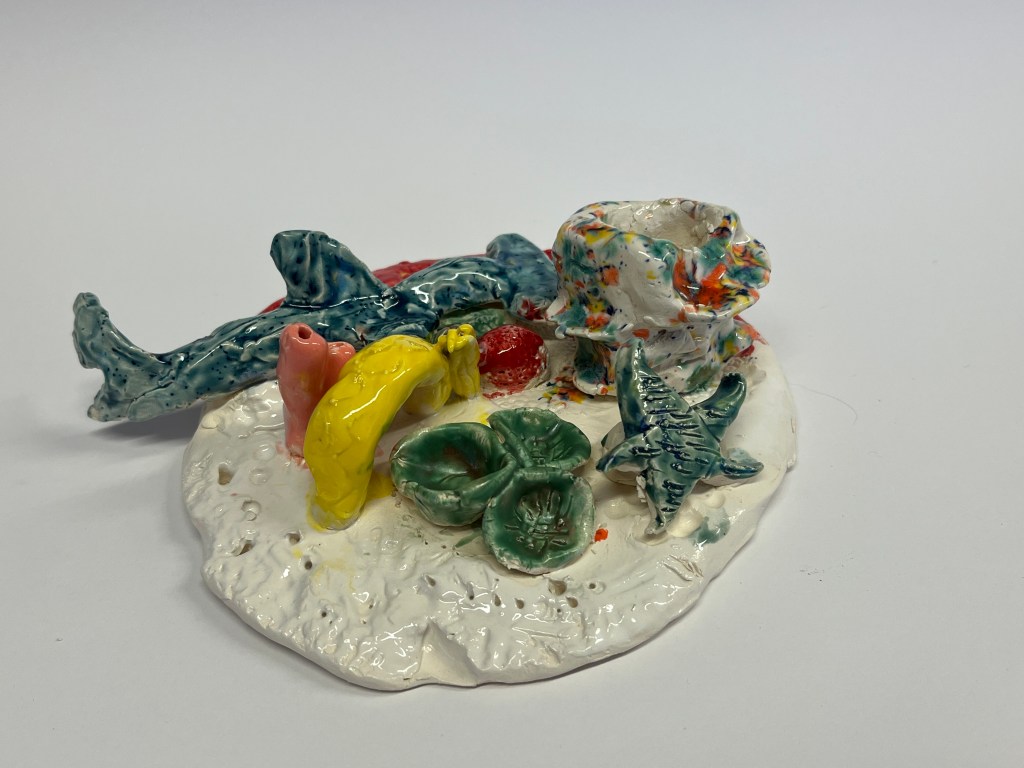
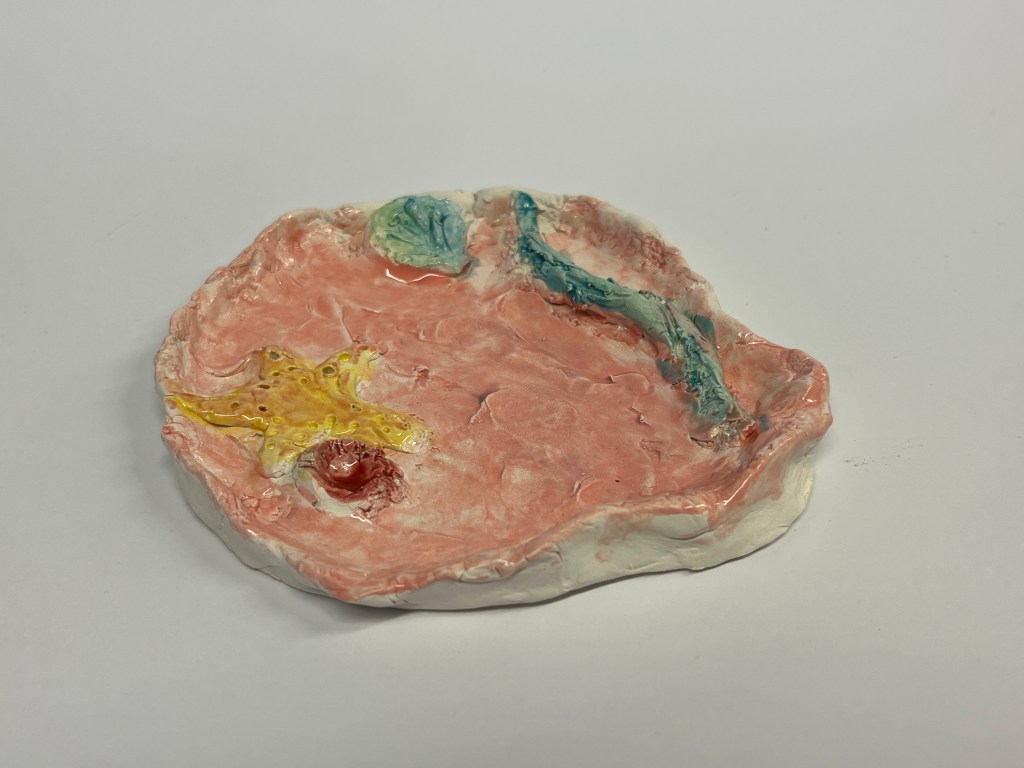
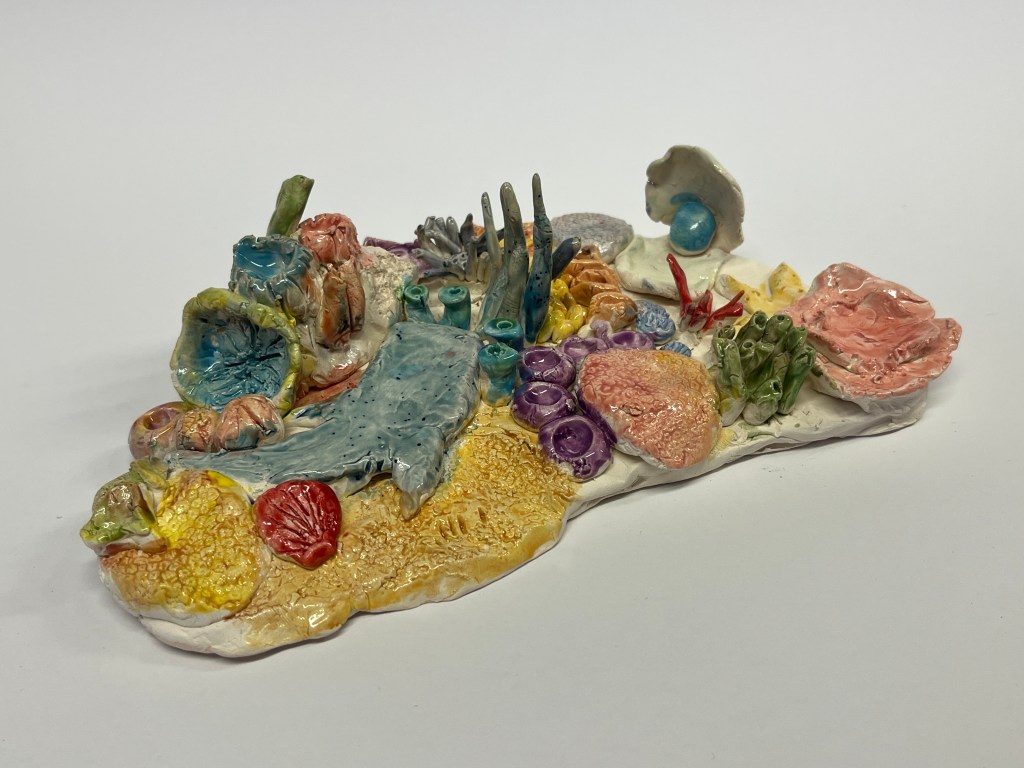
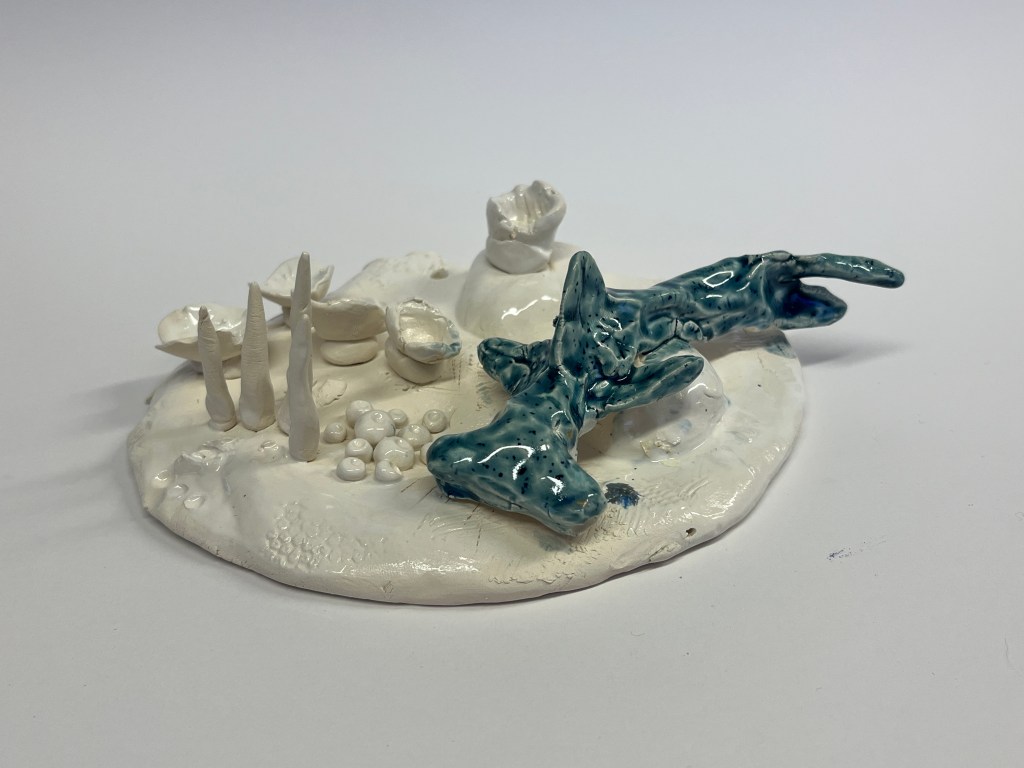
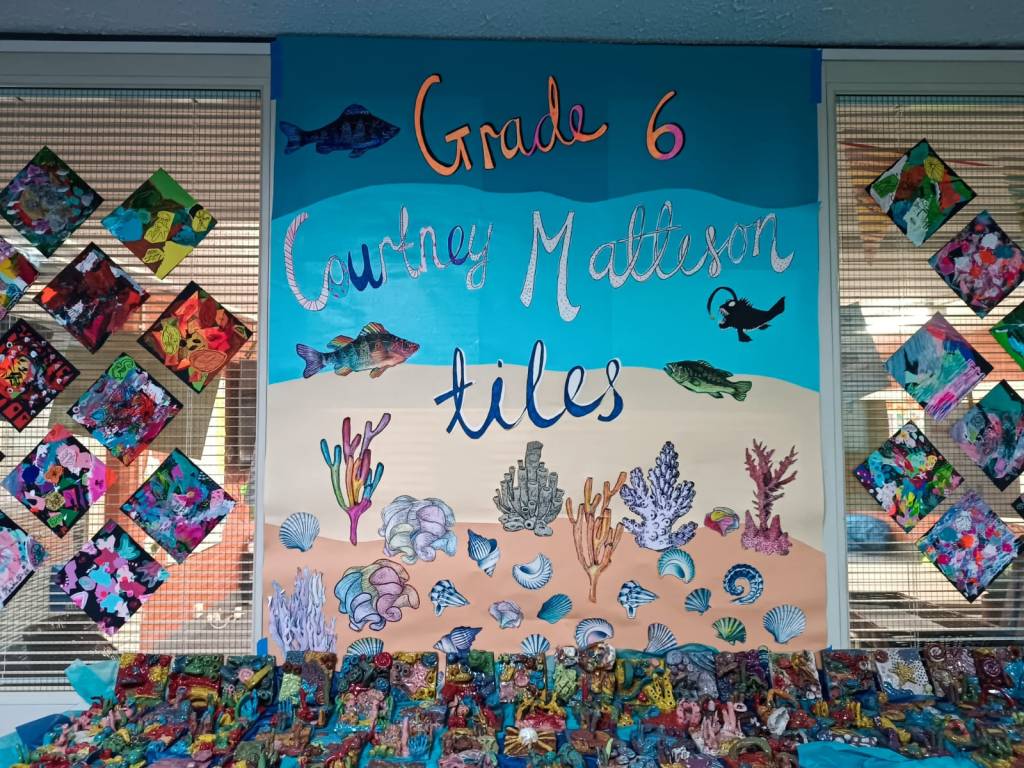
I played calming music on the screen with coral reef videos, which really got them into the spirit.
During this unit there are moments set for formal reflection when students answer guiding questions. I tend to call them “exit slips” rather than “reflections” as I’ve noticed students found “reflections” much more daunting than “exit slips” even though it’s the same questions.
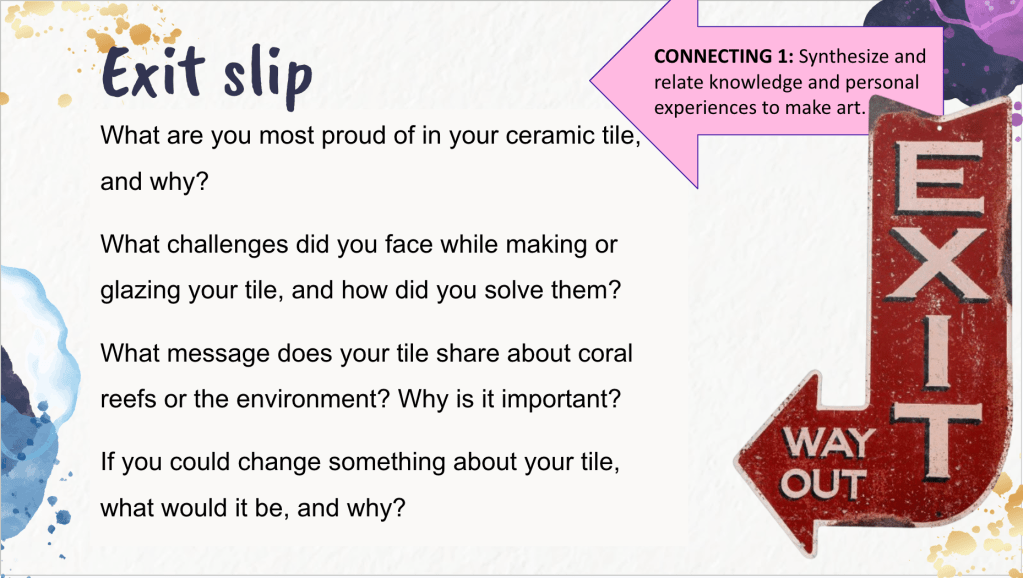
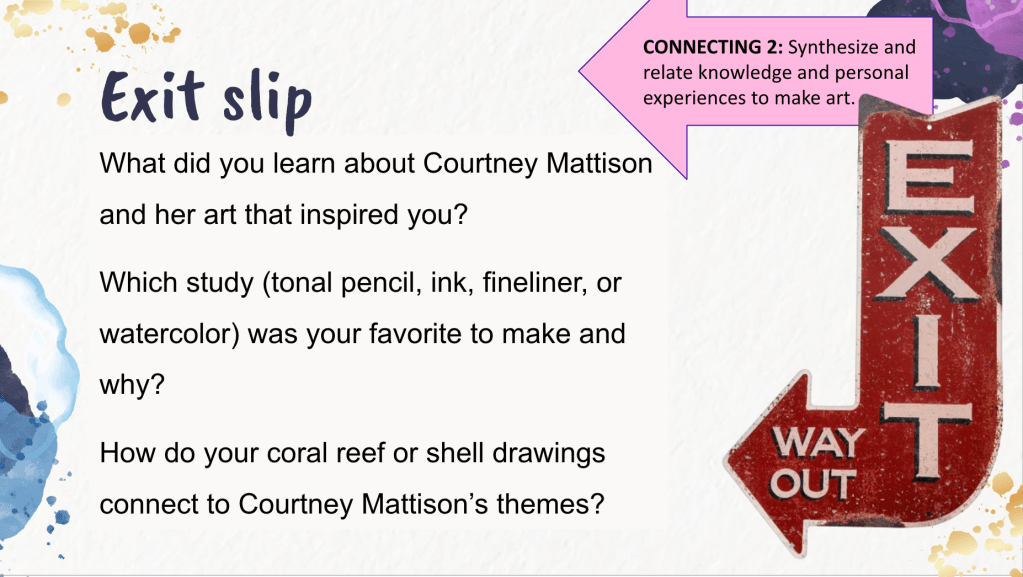
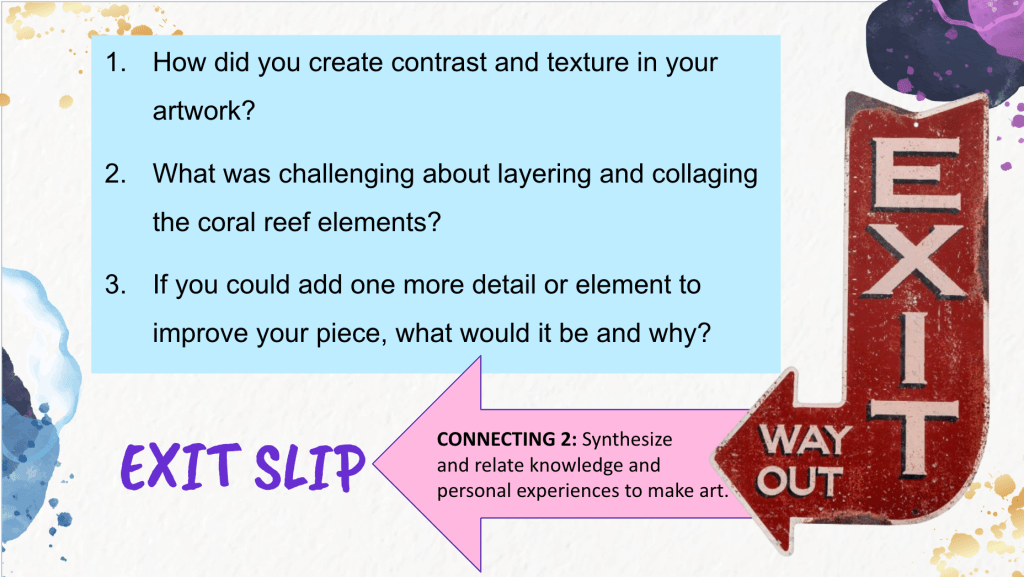

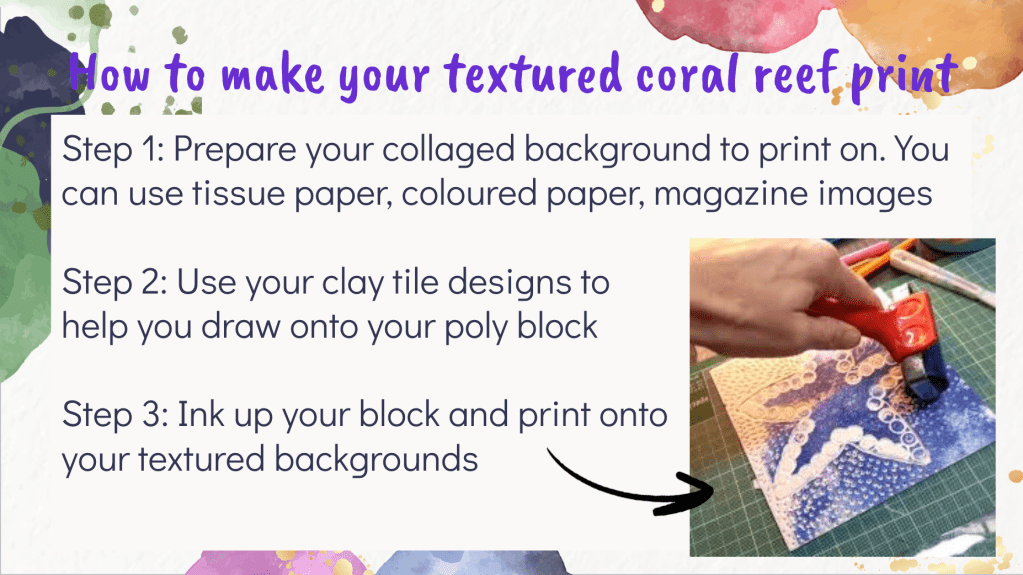
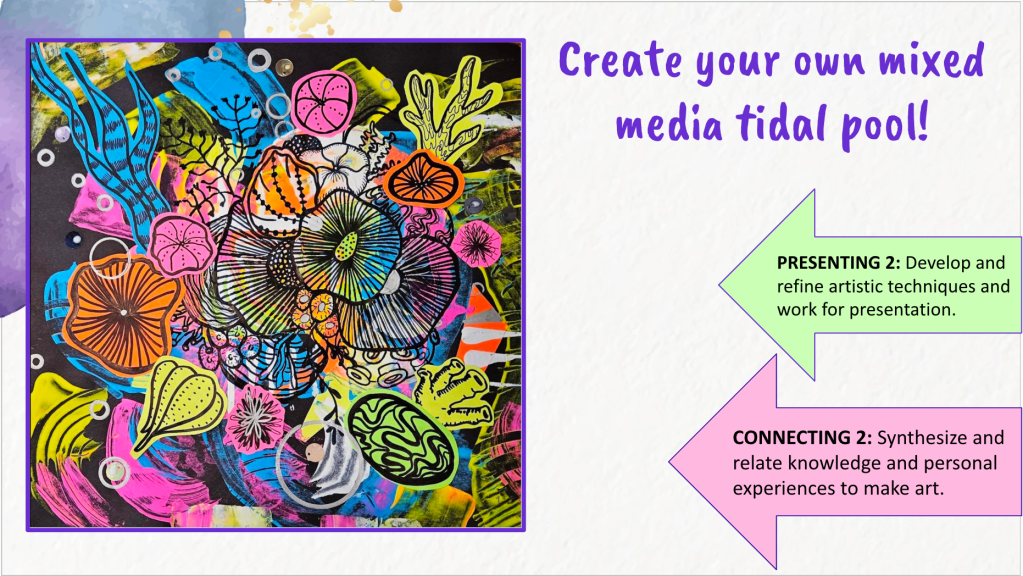
I have a few extension tasks for early finishers and to respond to student enquiry such as mixed media tide pools and mixed media underwater poster prints so students can create a backdrop for the ceramic coral reef. The mixed media tide pool activity I found on Teachers Pay Teachers.
This unit is much loved by students and really practices putting together multiple sources of inspiration and research to come to a final product that they usually can’t wait to take home and are so proud to present.

 Where the Art is
